The history of THC testing is a compelling commentary on changing culture and influence. This exploration follows THC testing from its recreational origins to its formal corporate role, showing how one chemical compound reshaped rules and human behaviour in unexpected ways.
The recreational domain: what happens behind the scenes
In casual or lifestyle settings, THC testing might seem unnecessary, yet it plays a subtle but powerful role. Recreational users, athletes in local leagues, volunteers, or even renters often face situations where proof of sobriety or compliance is required.
How it works
Most tests don’t measure THC directly. They seek a by-product known as 11-nor-9-carboxy-THC, a metabolite that is stored in body fat and is released gradually with time. This metabolite may persist for days or weeks, even in the absence of any psychoactive effect.
The most common are urine tests because they are cheap and fast; however, they have their peculiarities. Because the metabolite lingers, a test might flag someone long after their last use.
The mystery of the faint line
Many people using at-home kits report seeing a faint line on THC test. It’s a small detail, yet it sparks big questions. Some assume it indicates a “weak positive,” others see it as a “barely negative.” The truth depends on the specific brand and sensitivity of the test.
Why it matters
A recreational test that seems harmless can carry social or financial consequences. As recreational cannabis becomes more accepted, understanding how tests function becomes essential, not for hiding use, but for interpreting results realistically.
From freelance to formal: corporate testing protocols
When cannabis meets corporate policy, the tone changes completely. In workplaces, especially those tied to safety or compliance, testing becomes a structured ritual. Yet even here, myths and shortcuts circulate, including questions like does activated charcoal remove THC.
What companies test for
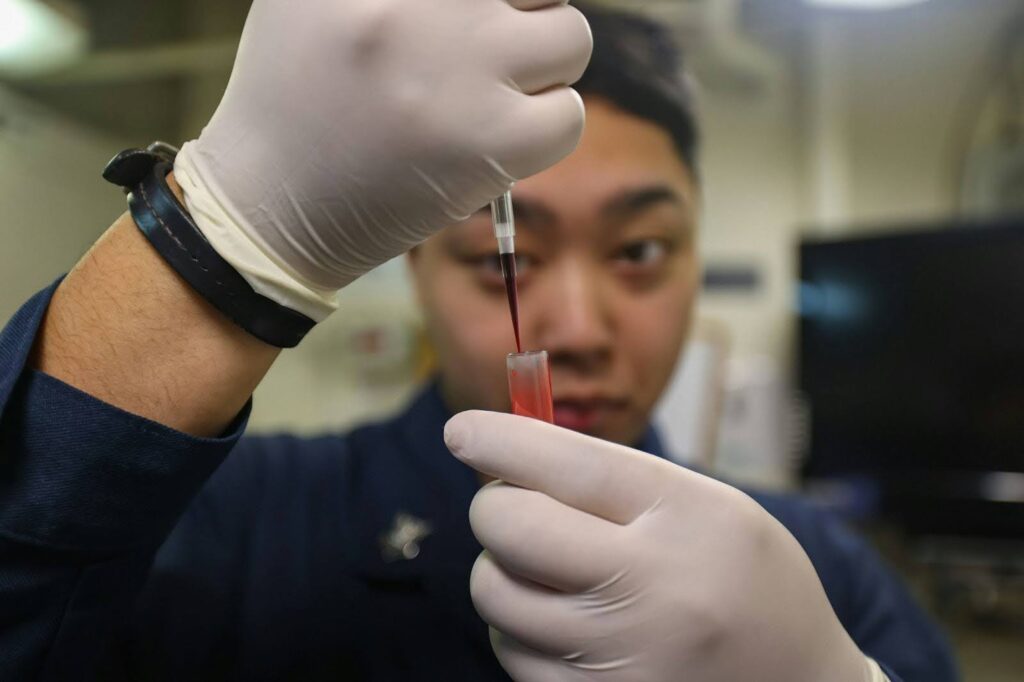
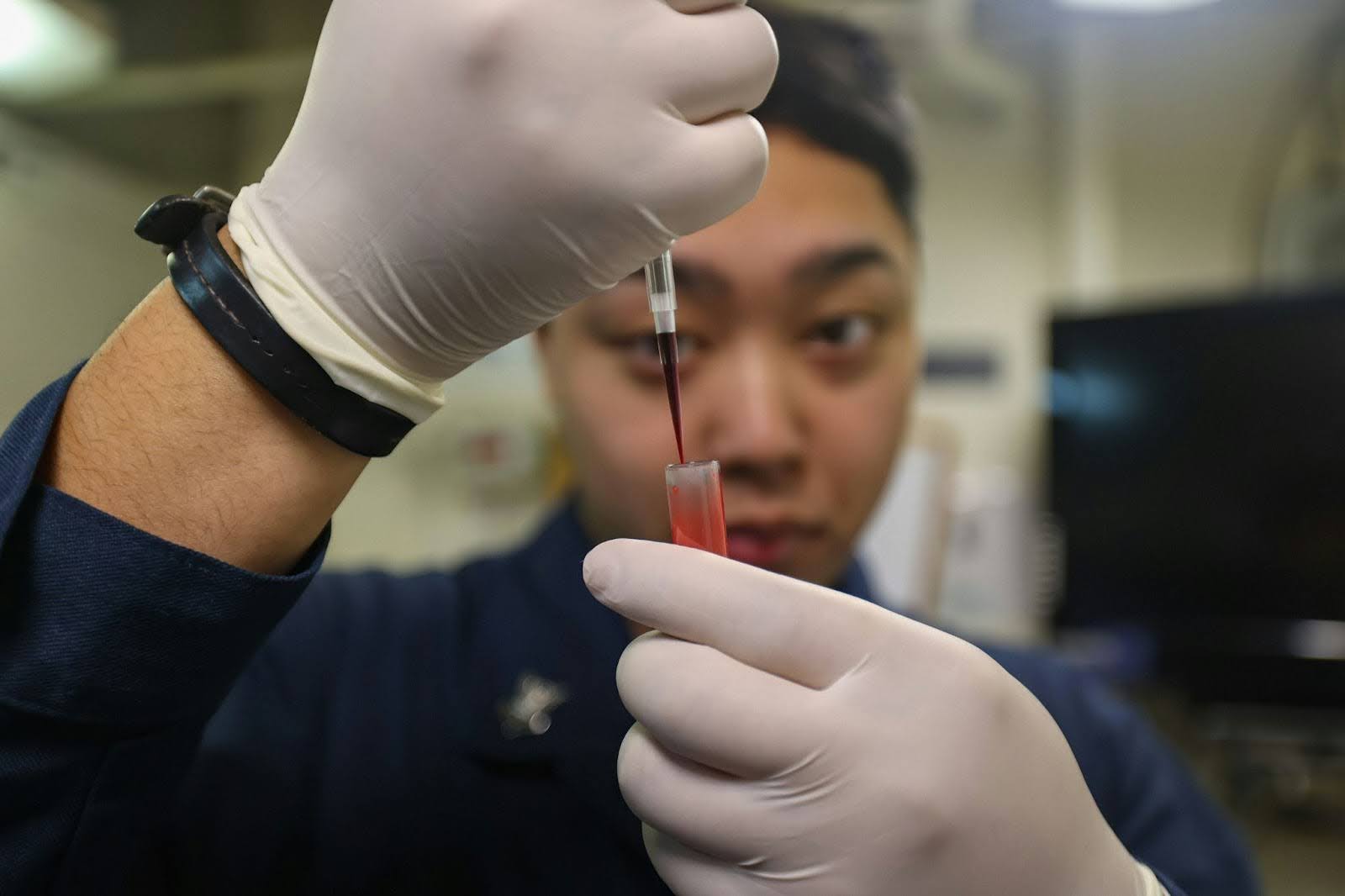
In professional environments, tests are built around precision. Such testing requires certified laboratories and standard cut-off levels established by employers.
The different types of specifications denote varying times, urine samples denote that one has been used before, saliva samples denote that one has been used in the recent past, and hair samples denote that one has been used in the past months.
Corporate context vs personal chemistry
Here lies a core tension. Cannabis can be legal off-duty, yet still punishable at work if residues appear in a test. One might consume on a weekend and be sober on Monday, and still test positive due to the existence of metabolites. In this regard, the issue of whether or not activated charcoal gets rid of THC becomes a question not of health, but of desperation. Human beings desire to remain employable, but there is no easy way when it comes to science.
Charcoal that has been activated and marketed online as a miracle detox has little evidence regarding the removal of THC. The chemistry simply doesn’t align. Despite its popularity in “detox drinks” or “cleansing kits,” relying on charcoal rarely changes a test result.
Policy and perception
Corporate testing lies between trust and control. Employers seek safety, while employees value privacy and respect. Other firms now reverse the policies and concentrate on impairment instead of presence, where punishment is replaced by performance. Some impose zero-tolerance regulations, particularly in transport, medical, or industry.
It does not just screen drug use anymore; it is a reflection of how society balances freedom and responsibility.
Detox myths and the science of elimination
As testing gained prominence, so did a wave of unverified “solutions.” Detox kits and rapid cleanses promise to erase traces of THC, but scientific scrutiny tells another story.
The body’s process of clearing THC is largely metabolic. The liver breaks down the fat-stored compounds and releases them through urine and feces.
Even commercial detox products are frequently the derivatives of diuretics, masking agents or herbal mixes that dilute urine, but do not eliminate anything. Laboratories can detect such tampering through creatinine levels or specific gravity checks. The more sophisticated the test, the more difficult it is to trick.
Nevertheless, the continuation of these myths indicates unease in the culture. With society getting used to living with legal cannabis, individuals seek how to balance personal preferences with those of the institutions. Detox fads have nothing to do with science, but with anxiety and the human need to seek loopholes in systems of control.
Bridging lifestyle and regulation: lessons from both worlds
Cannabis may serve as a source of relaxation, creativity, or medical therapy, yet the residual indicators may prove to be a threat to reputations or livelihoods.
For individuals, education is the best protection. Knowing that a “faint line on a THC test” might still count as positive prevents misinterpretation. Recognizing that shortcuts like charcoal detox rarely work prevents misplaced hope.
For organisations, fairness and clarity must guide policy. Safety and not punishment should be the goal of testing. With the development of the pharmacological knowledge of THC, the boundary between use and impairment can be more obvious, and more human and evidence-based norms can be introduced.
Final say
The use of THC testing has become less of a specialty instrument of forensic science and more of a cultural object, and an indicator of how cultures negotiate freedom and trust. What started as recreation is now being regulated to the extent that it is defining workplaces and lifestyles.
Behind every faint line on a home test or corporate lab result lies a larger story: one about science meeting society and chemistry meeting conscience.
Ultimately, no quick fix replaces understanding. The more transparent the dialogue between individuals and institutions, the more ethical and effective THC testing becomes, a balance not of punishment, but of shared responsibility in a changing world.