
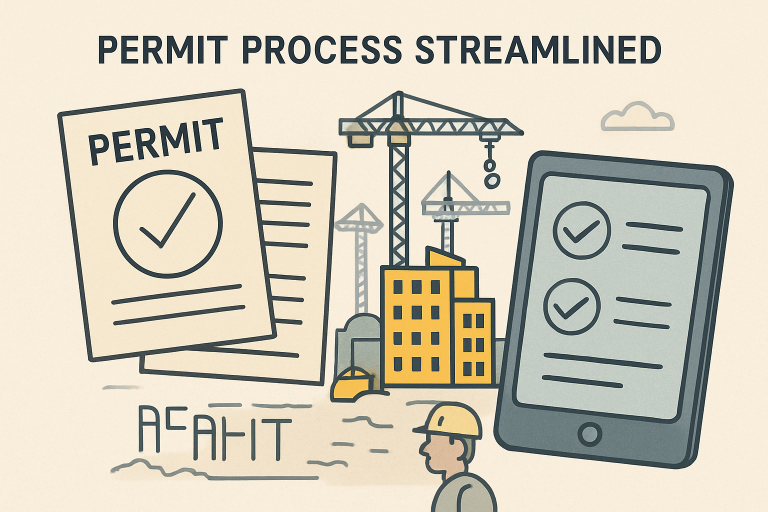
Efficient permit processes are essential for ensuring that construction projects proceed on time and within budget. Many developers, contractors, and property owners encounter delays and uncertainty when obtaining the necessary approvals, which can impact costs and project completion dates. Modernizing and streamlining these processes not only helps speed up project delivery but also improves compliance and transparency. For companies seeking reliable guidance, Burnham Nationwide provides expertise in navigating the complexities of obtaining permits for projects large and small.
Without effective permit management, projects risk stalling at crucial moments, disrupting cash flow, and straining relationships with stakeholders. The construction industry is actively exploring new methods to address these challenges, including digital transformation and regulatory reform. By learning from successful case studies, adopting new technologies, and fostering collaboration between agencies and applicants, organizations can reduce bottlenecks and enhance overall project efficiency.
Stakeholders should recognize that streamlining permits is not only about reducing paperwork or automating tedious tasks. It is about building a culture of proactive planning, open communication, and continuous process improvement. By addressing the root causes of delays and inconsistencies, construction teams can realize significant gains in productivity and cost savings.
Research shows that delays in permitting add billions of dollars in extra costs to construction nationwide each year. These delays affect every aspect of the project life cycle, from planning and financing to actual building and turnover. As urban populations rise and infrastructure ages, streamlining permit processes becomes even more critical to keeping cities and communities growing efficiently. For further reading on the impact of permit delays, visit this AP News article.
Challenges in Permit Acquisition
Securing the necessary construction permits can be a complicated, resource-intensive process. Challenges most often arise in three key areas: extended review periods, irregular or inconsistent regulations, and limited resources within municipal agencies. Each of these can derail even well-planned projects if not anticipated.
- Lengthy Review Times: Many jurisdictions face labor shortages, which lengthen review and approval times. This can create costly delays before shovels even hit the ground.
- Inconsistent Regulations: Requirements differ widely by city, county, and state. Even experienced builders may struggle to interpret or comply with the unique standards and documentation expected by local agencies.
- Resource Constraints: Backlogs can build up when permitting offices operate with outdated systems or insufficient staffing, leaving applicants waiting months for responses.
For example, in Honolulu, processing backlogs kept more than $1 billion in taxable construction and $7 million in permit fees from moving forward in a single year, according to the Associated Press. See details from this AP News report.
Technological Solutions for Permit Streamlining
Technological innovation is emerging as regulatory delays do not hamper public and private investment. Electronic submissions and artificial intelligence are enabling agencies to process applications more quickly and accurately. These tools bring greater transparency to applicants and allow real-time tracking of submissions.
- Artificial Intelligence (AI): AI can automate preliminary reviews, flag missing documentation, and suggest corrections, dramatically reducing human error and processing time. For example, South Dakota State University is helping the South Carolina Department of Transportation integrate AI to accelerate reviews and improve project delivery. Read more at South Dakota State University News.
- Online Permitting Systems: Online platforms consolidate submittals, payment processing, and status tracking into a single platform. Sacramento’s “Streamline Sacramento” initiative has accelerated housing development by digitizing approvals, reducing both delays and confusion. Details are explained in this CapRadio article.
Cloud-based tools also allow remote collaboration among agencies, architects, and builders, further speeding up the process. Many cities are embracing digital transformation as part of their economic development strategies.
Case Studies of Successful Permit Streamlining
Several counties and states have made significant progress with pilot projects and legislative reforms that reduce barriers and accelerate permit reviews.
- Marin County, California: This jurisdiction will phase out paper plans by 2026. By moving to an all-digital format, permit technicians can focus more on review and less on administrative paperwork, helping applicants receive faster turnarounds. More details can be found in the county’s news release about its ongoing permitting efforts.
- Hawaii: The state legislature established a SPEED task force to simplify and speed up the statewide building permit process. The goal is to foster economic growth and ensure that public and private investments are not hampered by regulatory delays. Learn about this initiative at AP News.
Other cities like Los Angeles and Austin have implemented expedited review programs for affordable housing and green development, allowing developers who meet certain criteria to move to the front of the queue. For best practices nationwide, visit the New York Times discussion of permit modernization.
Steps to Improve Permit Acquisition
Improving the permit process for your project often means gathering better information, adopting digital solutions, and collaborating with authorities early and frequently. Taking the following steps can yield substantial benefits in terms of timing, costs, and regulatory compliance:
- Early Engagement: Bring permitting authorities into project discussions as soon as possible to identify issues before design work is completed. Early feedback helps prevent revisions.
- Comprehensive Documentation: Gather all supporting documents and ensure they meet local specifications. Up-to-date agency checklists are a valuable resource.
- Utilize Technology: Leverage online submission platforms, digital plan check systems, and AI-powered review tools that streamline cross-departmental communication and reduce manual data entry.
- Continuous Communication: Stay in close contact with agency staff and clarify requirements as needed. Track your application’s progress and promptly address requests for more information.
Implementing these recommendations can help anticipate obstacles, minimize costly mistakes, and promote timely project delivery. Staying informed about regulatory changes and embracing emerging technologies are key to future-proofing your construction operations.
As pressure grows to deliver new development in a timely, cost-effective manner, ongoing improvements in permit processes will become an industry standard. By learning from successful models and collaborating with permitting partners, project teams can turn the permitting phase from a bottleneck into a competitive advantage.