
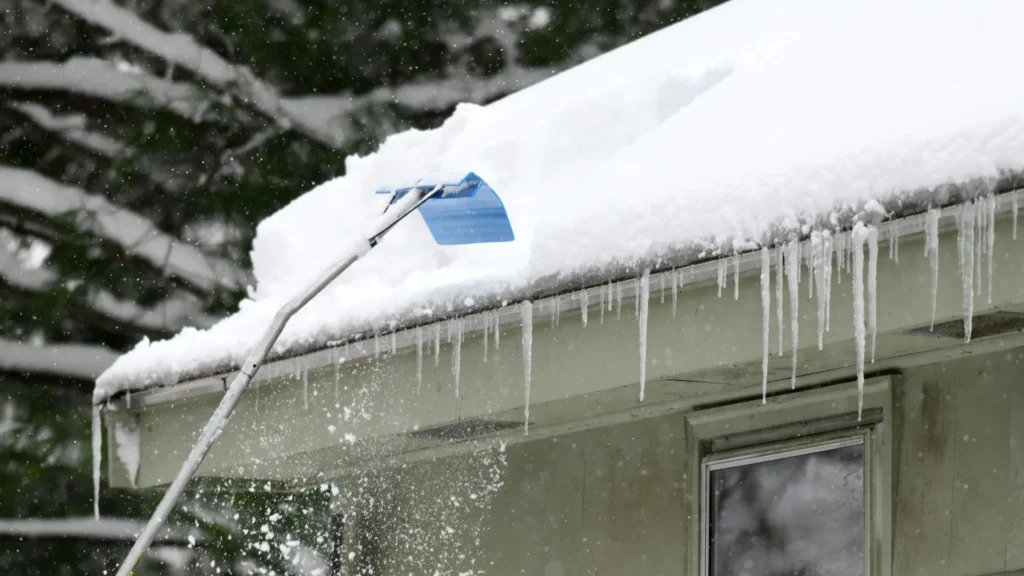
Understanding the Risks of Roof Snow Accumulation
Winter weather can turn your roof into a landing zone for heavy snow and ice, which may lead to costly problems if left unaddressed. Accumulated snow increases the weight load on your roof and can create conditions for the dangerous formation of ice dams. These ice dams develop when heat from your attic melts snow, causing water to refreeze at the cooler roof edge, where it prevents proper drainage. This can trap water behind ice, leading to leaks inside your home or structural damage over time. Recognizing these risks underscores the importance of inspecting your roof regularly and removing snow with care. If you’re seeking solutions to minimize ice dam formation, high-quality rain gutter covers like those offered by premier rain gutter covers Utah can be a proactive addition to your home.
Removing snow from your roof also helps protect shingles and other roofing materials, which can be damaged by the freeze-thaw cycle or the excessive weight of wet, heavy snow. Being proactive about snow management is crucial in climates where snowstorms are common and seasonal accumulation can quickly grow to hazardous levels. Taking the right steps will help keep your roof sound through winter and safeguard your home’s interior against water damage.
When to Remove Snow from Your Roof
It is important not to panic after every winter storm. Generally, removing snow after each light dusting is unnecessary. However, you should act if the snow depth on your roof exceeds six inches, especially if it is dense and wet. Wet snow weighs significantly more than dry, fluffy snow, amplifying strain on your roof’s structure and raising the risk of damage. Regularly checking snow depth and roof conditions helps prevent calamities and can alert you early to developing ice dams or drainage issues.
Pay close attention after a series of storms, as the cumulative effect of multiple snowfalls increases the load and the risk of water infiltration. With each new event, monitor vulnerable areas such as roof valleys, low-sloped areas, and eaves where snow is more likely to accumulate and where ice dams are more likely to form.
Essential Tools for Safe Snow Removal
The right equipment makes roof snow removal safer and much more effective. Choose a roof rake with a telescoping handle to reach high points without climbing. A roof rake should have a plastic or rubber edge to prevent damaging the shingles. Sharp or metal tools, like regular shovels or ice picks, are hazardous; they can gouge and crack roofing materials, opening the door to leaks and repairs.
Additional helpful items include non-slip boots, safety goggles, and waterproof gloves. Reduce the risk of accidents by preparing your workspace and keeping all your tools within easy reach but away from walkways where they could create a tripping hazard.
Step-by-Step Snow Removal Process
- Assess the Situation: Begin by inspecting how much snow has accumulated and where it has accumulated. Do this from the ground using binoculars if necessary or through upper-story windows. Focus on areas with the thickest snow layers and on places where ice has already begun to form.
- Prepare the Area: Clear the ground around your house of obstacles to ensure a steady footing and room to maneuver. Mark off the work area to keep children and pets away.
- Use the Roof Rake: Stand several feet back from the house and pull the snow down in small amounts, starting with the eaves and working toward the ridge. Avoid standing directly under where you are raking as snow and ice can slide off unpredictably.
- Work Upward: Gradually clear away layers of snow, leaving about an inch behind to protect the shingles from scraping. Take your time and focus on even removal across the entire roof surface.
- Clear Gutters and Downspouts: After the roof is clear, check your gutters and downspouts to ensure they are unobstructed. This step helps prevent further ice dams and facilitates proper water drainage.
Safety Precautions to Keep in Mind
- Stay Grounded: Whenever possible, handle snow removal from the ground. Avoid climbing onto the roof, which greatly increases the risk of slips and falls.
- Use a Stable Ladder: If you must use a ladder, place it on even ground and have someone nearby to stabilize it. Never try to reach or stretch too far from the ladder’s rungs.
- Dress Appropriately: Winter work requires insulated, waterproof gear. Wear boots with good tread for traction, gloves, and protective eyewear to prevent frostbite and injury.
- Avoid Overexertion: Snow removal is physically intense. Take breaks often, drink water, and listen to your body to prevent exhaustion or injury.
Preventing Ice Dams and Future Snow Accumulation
Preventative steps will reduce your need for frequent snow clearing and better protect your home. The most crucial part is maintaining a consistently cool attic through proper insulation and ventilation, which helps prevent snowmelt from refreezing at the roof’s edge. Installing baffles or other ventilation aids keeps attic air circulating. Heated roof cables can also minimize ice buildup by keeping problem areas warm enough to prevent freezing. These solutions may cost extra but pay off in the long run by preventing costly water damage and structural damage.
When to Call a Professional
Some situations demand expert help. If snow accumulation is too great to remove safely from the ground or if your roof is steep or difficult to access, it’s better to hire professionals. They have the experience, safety training, and specialized equipment to clear snow without harming your roof or risking injury. If you suspect existing structural damage or if water has started leaking into your home, act promptly to avoid more severe issues.
Final Thoughts
Safely managing roof snow is essential for protecting your home during harsh winters. Regular monitoring, using the right tools, and following proper removal processes are your best defenses against costly roof repairs. Safe snow management keeps your roofing materials in good condition and prevents the headaches that ice dams and leaks can bring. If the task feels overwhelming, do not hesitate to hire a professional and use high-quality gutter protection systems to make future winters less stressful.