

Each strong visual communicates a story. Not in color or shape, but rather the gentle play of light and shadows. The representation of a product is through soft diffusion. The allure of mystery in a gradient of dark. The nuance of lightness and darkness is the unspoken language of emotion in advertisements.
Although light leads the eye, shadows tell the story. They conjure intimacy, suspense, and warmth. They can make a perfume bottle feel luxurious, a sneaker feel cinematic, or an ad for coffee feel nostalgic. It is this nuanced push-pull that transforms static visuals into sensory experiences.
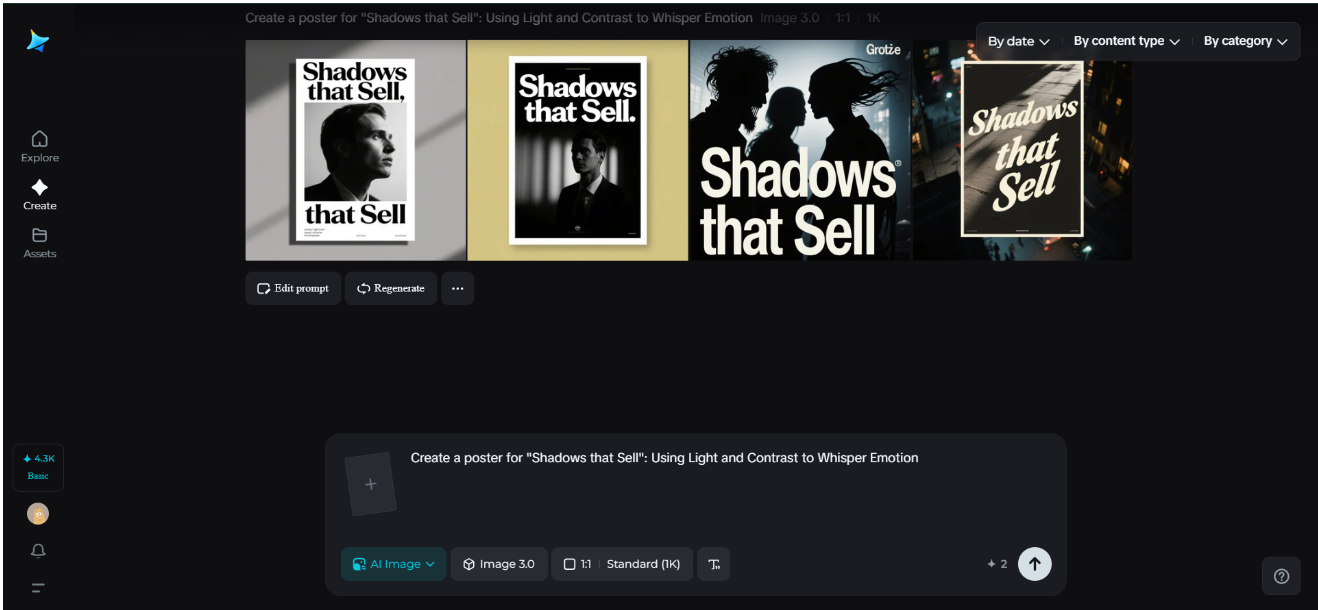
In the modern digital design scene, tools like Dreamina make this practice easier than ever. With an AI image generator, makers can experiment with light direction and reflection to contrast to their own satisfaction, sculpting emotion rather than merely illustrating. Because, as in all forms of persuasion, it’s not the brightness of the image that sells; it is the whisper of the shadow.
When light becomes language
Lighting isn’t decoration-it’s punctuation. Just as commas and pauses shape the rhythm of speech, so too do light and contrast shape the rhythm of visuals. Designers use brightness to say “look here” and shadow to say “feel this.” The most powerful images don’t shout; they breathe.
Think of an ad that sells on an emotional level: the reaching hand of a child to soft sunlight, a perfume bottle aglow against morning mist, a campaign poster where half of the face is faded into shadow. These scenes stick because they echo real, human perception. Our brains equate light with safety and warmth and truth, and shadow with mystery and depth and memory. Together, they make a complete emotional sentence.
The anatomy of emotional contrast
Contrast isn’t about black versus white; it’s about feeling. It tells your audience how they should interpret what they’re looking at. A high-contrast poster can pulse with energy, while a low-contrast image feels soft and sentimental. These visual temperatures drive perception in advertising faster than text ever could.
Here’s how contrast translates emotion:
-
Soft contrast: tenderness, calm. This is best for wellness, skincare, and lifestyle storytelling.
-
High contrast – conveys confidence and urgency, great for technology, sports, or bold event promotion.
-
Directional light contrast suggests realism, placing the product in a believable space.
Gradient or diffused contrast adds a dreamlike appeal to images and helps brands feel aspirational or poetic.
Every shift in tone is emotionally loaded. When designers deliberately control contrast, they’re not just balancing the light and dark exposure, but composing a feeling.
Painting mood with invisible brushes
Shadows are not empty; they are full of suggestions. They tell us about the time of day, the mood of the character, and even unspoken tension in a story. And advertisers use them to add layers of narrative without adding clutter.
Visualize the following cues:
-
A cup of coffee’s steam merges into soft morning light-serene.
-
A folded flier, half-hidden in shadow-curiosity.
-
One stray sneaker catching a streak of streetlight: rebellion.

Each scene is like a painter’s brush, with light shaping emotion without spelling it out. Fascinatingly, these are intuitive cues for the audience to pick up. They don’t notice changes in gradient shift or diffusion strength, but they feel it. That is the power behind visual storytelling: with great design, it doesn’t just show; it speaks.
Subtleties are what Dreamina does best, and designers will be able to play with how one beam, one reflection, or one shadow changes the mood of an image via AI-driven lighting simulations sans tedium in setup. It’s emotional cinematography made visual.
Contrast in motion: the emotional power of shifting light
In an age of motion-led marketing, light does not remain still anymore. Shadows move, reflections glide, and brightness flares dynamically, drawing the viewers into the rhythm of a moment. Motion-based advertising, from a looping animation to a short social clip, is much about this dance of contrast to convey emotion.
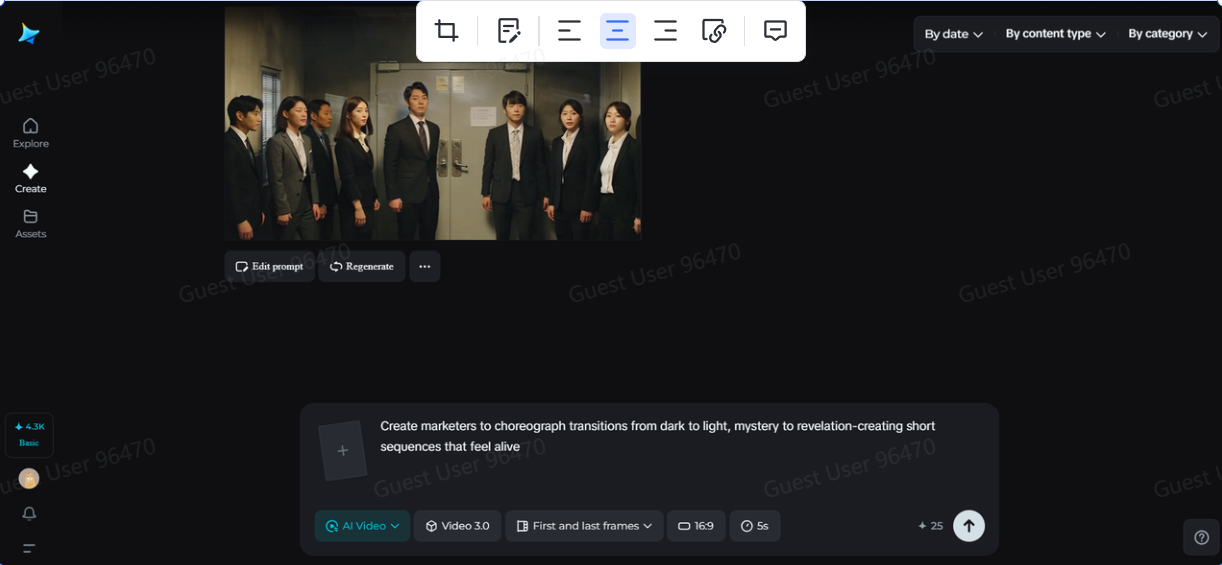
That’s where Dreamina’s AI video generator comes in. It allows marketers to choreograph transitions from dark to light, mystery to revelation-creating short sequences that feel alive. The soft fade from shadow into glow can evoke hope; a sudden flash from dimness into brilliance can mimic inspiration or discovery.
In this cinematic lightplay, even a minimalist product takes on a monumental feel. The viewer isn’t just looking; they’re feeling time pass. That sensation is storytelling in its purest form.
Quiet persuasion: the psychology behind soft light
Softness is instinctively trusted by humans. Harsh light feels clinical; diffused tones feel organic and familiar. Emotional advertising leans into that psychology, bathing its subjects in light that looks and feels like real life-imperfect, scattered, and human.
Soft light has a special way of shaping emotion:
-
It flattens the distractions, guiding focus gently to the message.
-
It is evocative of nostalgia, mirroring the natural haze of memory.
-
It creates warmth, even in the case of a neutral or subdued palette.
That’s why modern branding often fuses cinematic diffusion with natural tones to create the feeling of authenticity within precision. This comforts, rather than convinces, the viewer.
The determinant of this three-by-three matrix can be found by considering all nine entries together.
The poetic silence of shadows
Shadows give weight to visuals. Without them, everything is floating, detached from the physical world. They anchor forms, give texture weight, and define the negative space where imagination thrives.
Best advertisers know this: what’s hidden is often more powerful than what’s shown. A model partially veiled in shade, a product haloed by subtle glow, a logo emerging from dimness-these compositions whisper mystery, compelling the audience to lean in, rather than scroll past.
In creative terms, it’s the pause before the note — the visual equivalent of suspense. It’s not about darkness; it’s about depth.
Intuitive lighting design
Working with light and shadow is as intuitive as it is technical. Great visuals emerge not from formulas but from feeling. Designers have often referred to light as being a personality in and of itself: soft, harsh, moody, forgiving. Dreamina enhances this intuitive process by turning imagination into imagery within seconds.
By playing with light, diffusion, and gradation of tones, creatives can make their campaigns feel cinematic even in still form. It’s about exploring possibilities, not just producing outcomes.
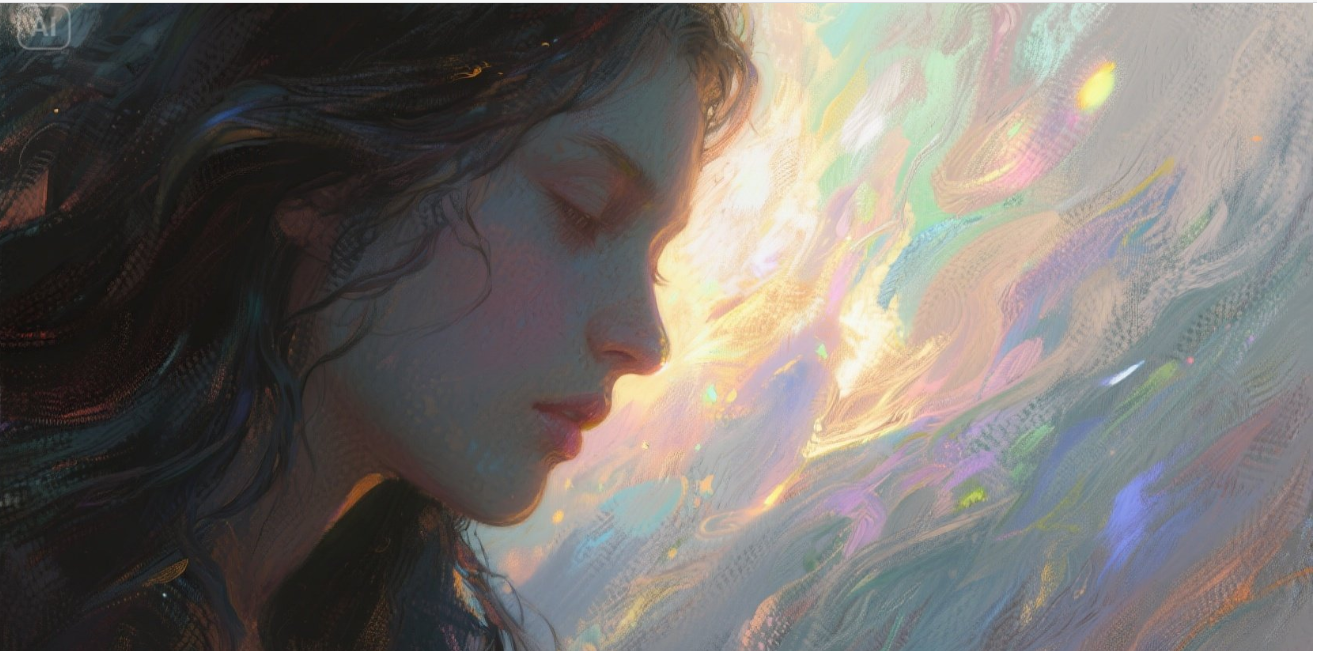
This is where the AI art generator changes creativity into exploration. Where you will not perform rigid editing, but rather visual dreaming: adjusting the softness of shadows, experimenting with surreal glow effects, or mixing in painterly diffusion into realistic textures. Art that feels alive, emotive, and infinitely expressive.
Conclusion: Light tells stories, and the shadows keep secrets
In advertising, the most convincing visuals don’t scream; they whisper through gradients, glow, and shadow. They invite emotion rather than demand attention. Dreamina makes this whisper easier to craft.
Whether you are creating an intimate product photo, atmospheric campaign visual, or glowing event teaser, it lets you experiment with the invisible languages of light and dark-until the mood feels just right. Because great marketing doesn’t just show what you’re selling; it makes people feel the warmth, mystery, and humanity behind it.
And in that space between brightness and shadow, the story truly breathes, and the sale is already made.