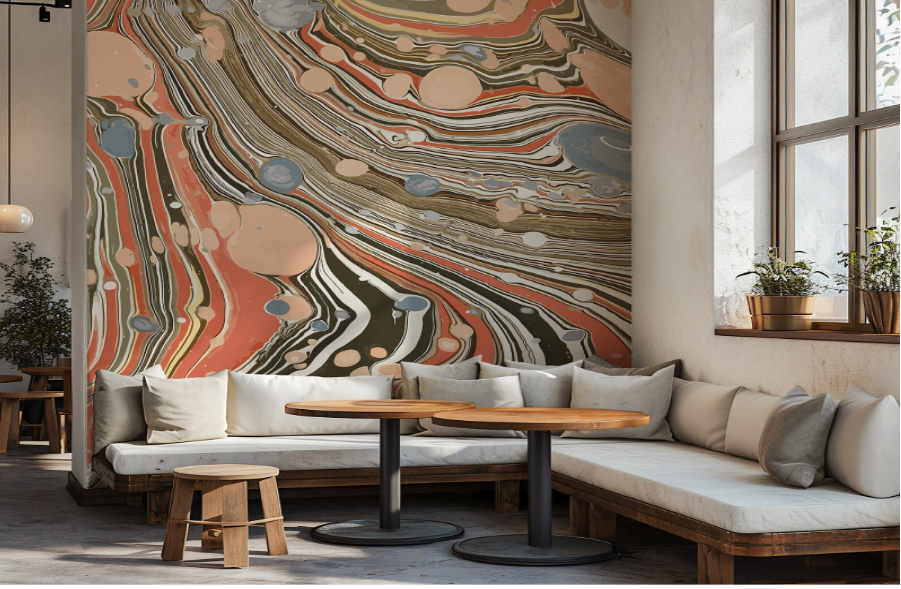
A room can go from plain to unforgettable with retro wallpaper. One wall is often enough. The right print pulls the whole design together. Bold lines. Funky colors. Patterns that spark conversation. Retro design is back, and wallpaper is its loudest voice.
Why Retro Works in Modern Spaces
Retro isn’t about living in the past. It’s about bringing character back into rooms that feel too minimal. White walls? Safe, but boring. Retro wallpaper flips that. It layers energy. It brings movement. It forces personality into space.
People want homes that feel alive. Neutral tones dominate today’s interiors. That’s why retro accents pop so much. They don’t blend in. They stand out.
Key Elements of Retro Wallpaper
Retro wallpaper isn’t random. It follows design rules from decades past.
- Geometric repeats – Think circles, diamonds, chevrons.
- Earthy tones – Mustard, avocado green, terracotta, and brown.
- Bold contrasts – Deep colors with crisp white lines.
- Playful motifs – Atomic stars, swirls, stripes, or floral bursts.
It’s art for your wall. Not just the background.
Where Retro Wallpaper Shines
Living Room
Put it behind the sofa. Frame it with neutral curtains. Add one vintage accent chair. Balance is key. Retro wallpaper makes the wall the star, so keep furniture simple.
Kitchen
Don’t cover every wall. Pick one section — behind open shelving, a breakfast nook, or around the dining table. Match it with retro light fixtures. Think globe pendants, brass finishes.
Bedroom
Retro wallpaper can feel cozy. Place it on the headboard wall. Pick a softer palette — muted orange, clay red, golden yellow. Pair with plain bedding so the wall owns the scene.
Bathroom
Bold wallpaper in a small bathroom is a design trick. Use moisture-safe paper. Choose smaller patterns so it doesn’t overwhelm. Pair with black or brass fixtures for contrast.
Hallway
A narrow hallway loves vertical stripes or bold repeats. It’s unexpected. Guests notice. It also makes a forgettable transition space look intentional.
How to Style Around Retro Wallpaper
Retro wallpaper needs partners. Here’s how to keep it balanced:
- Neutral furniture. Beige, gray, or cream tones.
- Texture layering. Rattan, velvet, leather, or corduroy.
- Vintage accents. A record player, mid-century lamp, or abstract art.
- Plants. Retro loves greenery. Pothos, palms, or monsters work perfectly.
The goal is contrast. Loud walls + quiet accents = harmony.
Common Mistakes
People get excited. They go too far. Retro turns tacky fast if you don’t balance it.
- Wallpapering every wall. One or two walls max. Let it breathe.
- Clashing patterns. Don’t mix retro wallpaper with heavily patterned furniture. Keep fabrics solid.
- Ignoring scale. Big patterns need big walls. Small repeats suit tight spaces.
- Overloading color. Stick to three main tones. More gets messy.
How to Choose the Right Retro Wallpaper
1. Room Purpose
What’s the vibe? Energetic? Calming? A home office may need cleaner geometrics. A lounge can handle funky, playful motifs.
2. Lighting
Dark prints shrink in dim rooms. Light retro wallpaper expands them. Always check samples at different times of day.
3. Color Harmony
Retro colors are strong. Match them with existing flooring or furniture. Don’t fight them.
4. Durability
Pick washable vinyl if kids or pets are around. Go for a matte finish in living spaces. Semi-gloss can highlight flaws.
5. Scale
Large murals belong in open rooms. Small repeats thrive in nooks or bathrooms.
The Psychology of Retro Wallpaper
Retro isn’t just about looks. It makes people feel something.
- Energy. Bold geometrics activate a room.
- Warmth. Earth tones bring comfort.
- Nostalgia. Patterns recall past decades — even if you didn’t live through them.
- Conversation. Guests always notice. They ask. They comment. That’s the point.
DIY or Professional?
Installing wallpaper isn’t easy. Retro patterns often need perfect alignment. Misaligned lines ruin the effect.
- DIY works if the space is small. Bathrooms. Closets. Accent walls.
- Professional installation is smart for larger rooms. They’ll match patterns and handle tricky corners.
Always order extra rolls. Retro repeats can eat up material when matching seams.
Sample Checklist Before You Buy
- Order a sample. Tape it to your wall. Look at it morning and night.
- Measure wall height and width. Add 10–15% extra.
- Check pattern direction. Some rolls install only one way.
- Buy rolls from the same dye lot. Colors can shift.
- Prep your wall. Smooth, clean, and dry before installation.
How Retro Blends with Modern
Retro wallpaper doesn’t mean you’re stuck in the ’70s. It pairs well with modern minimalism.
- Neutral furniture grounds bold walls.
- Sleek metal finishes keep it current.
- Modern lighting updates the vibe.
- Open spaces balance heavy prints.
The result: nostalgic but fresh.
Final Thoughts
Retro design is fearless. It doesn’t hide. A single roll of retro wallpaper can change how your home feels instantly. It turns blank walls into statements. It makes a room worth remembering.
Start small. Try an entryway or bathroom first. Live with it. If it sparks joy, go bigger. Add it to your living room or bedroom.
Retro wallpaper is art. It’s energy. It’s a story. Use it well, and your home will never feel ordinary again.