Recovering from a storm doesn’t end when the skies clear—it’s just the beginning of a critical process that requires careful attention, patience, and proactive planning. From assessing property damage and reporting hazards to understanding how power is restored and preventing electrical risks by calling electricians Gainesville, each step plays a role in ensuring your safety and protecting your home. This comprehensive guide walks you through everything you need to know to navigate the aftermath with confidence and care, offering practical tips and trusted resources to help you and your community recover smoothly and stay prepared for future storms.
After the Storm: Assessing the Damage Safely
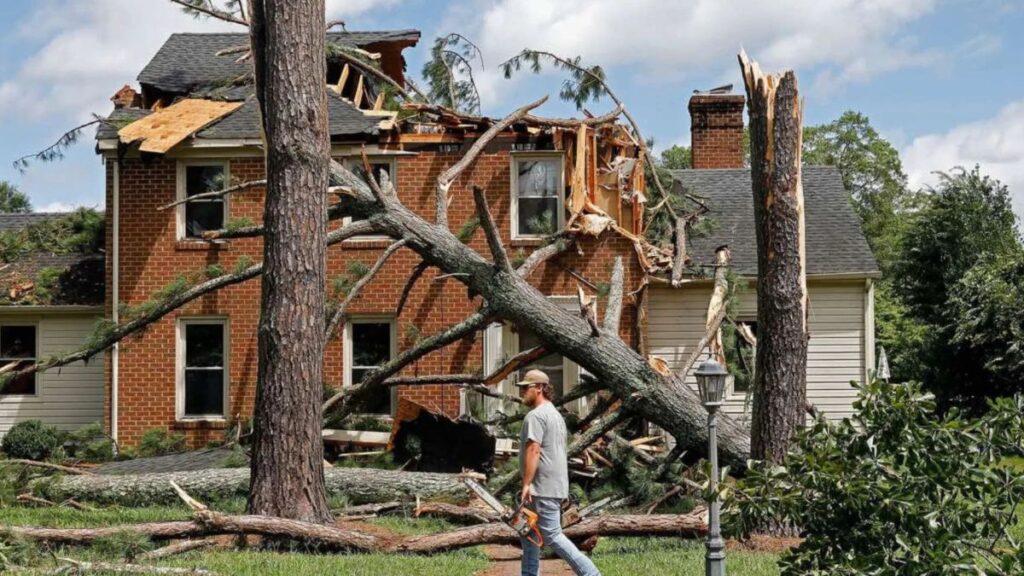
The aftermath of a severe storm can leave neighborhoods in turmoil, and the sight of broken trees, scattered debris, and darkened streets can be overwhelming. As keen as you may be to start picking up the pieces, safety is non-negotiable at this point. It’s vital to wait for official word from emergency services stating that it’s safe to move about. Once you have the go-ahead, take extra precautions by wearing sturdy boots to protect your feet from sharp objects, gloves to shield your hands from debris, and, if available, a hard hat to protect against falling branches or other unstable structures. Even a quick look outside can reveal hidden dangers: shards of glass, sharp metal, or splintered wood may lie beneath fallen leaves or shallow puddles. One of the most serious threats after a storm is downed power lines, which, though silent, can carry deadly voltage. Treat every cable on the ground or hanging low as if it were energized and highly dangerous.
Conducting your property assessment carefully can also help with insurance claims if damage has occurred. Take photos of your home’s exterior and interior, paying special attention to structural impairments and utilities. Collecting this evidence as soon as possible will protect your interests in the future. In the rush to return to normal, never underestimate the power of remaining cautious and methodical. For more detailed guidance on storm readiness and rapid response, resources such as Divergentalliance.com offer valuable insights to help homeowners during this uncertain and stressful time.
For added peace of mind, consider checking in with neighbors—especially the elderly or those living alone—to ensure they are safe and aware of local updates. It’s also wise to keep a battery-powered radio on hand to receive emergency information in case power or internet service is disrupted. Staying connected and informed can make a significant difference in how smoothly the recovery process unfolds.
Reporting Outages and Hazards to Utility Providers
Once you have verified that your immediate surroundings are safe, the next step is to report a power outage to your local utility provider. Many providers now utilize streamlined systems, such as automated phone lines, smartphone applications, or social media platforms, to quickly gather outage information. When contacting your utility company, it’s helpful to provide specific details, including whether you have noticed any downed wires, broken utility poles, or visible damage to nearby utility equipment. Providing accurate information can help crews prioritize their response and address the most severely affected areas first. Never attempt to clear branches or debris from a power line yourself, and remind neighbors to steer clear as well.
To sharpen your storm recovery plan, rely on advice from trusted authorities, such as the Centers for Disease Control and Prevention, which recommends keeping a minimum of 35 feet away from any downed lines and urges that electrical work be handled only by licensed professionals. It’s better to err on the side of caution, as seemingly harmless situations may mask life-threatening hazards.
Understanding the Power Restoration Timeline
The unpredictability of storms means some homes are left in the dark longer than others, but understanding how utility providers prioritize their repairs can offer valuable peace of mind. Emergency crews first target critical infrastructure—think hospitals, fire stations, water treatment plants, and communication towers—that serve the most vital community functions. The next focus is on neighborhoods and main feeder lines that distribute power to the largest populations. Only after these primary connections are re-established do crews address individual outages, which may stem from issues like broken service lines, damaged meters, or isolated homes made inaccessible by fallen trees or floodwaters.
- Critical services: Hospitals, public safety buildings, and essential utility hubs.
- Main feeders: These backbone lines restore power to entire neighborhoods or districts.
- Individual outages: Unique cases, such as single homes or rural properties, come last but require careful attention.
Stay informed by checking local news, utility company notifications, and updates from your neighborhood association. Patience and preparation go a long way, especially since unexpected delays—like blocked roads or hidden infrastructure damage—can slow down even the best-equipped crews.
Protecting Your Home’s Electrical System During Outages
Even after an outage has been reported, it’s smart to take extra measures to prevent future problems. Unplugging major appliances and sensitive electronics helps protect them from the sudden power surges that often occur when the grid is re-energized. Many homeowners have learned the hard way that a surge can damage expensive devices in seconds. Surge protectors or whole-home surge protection systems can offer added peace of mind during these volatile moments.
If you plan to use a portable generator, always review the manufacturer’s safety manual in advance. Generators should be run outdoors in a well-ventilated area, at a safe distance from doors and windows to prevent carbon monoxide from seeping inside. Carbon monoxide is colorless and odorless—often referred to as the “silent killer”—making vigilance absolutely crucial. Never plug a generator directly into your home’s wiring unless a transfer switch is professionally installed, as this can endanger utility workers and neighbors by causing backfeed into the grid.
Temporary Power Alternatives for Homeowners
Generators, Batteries, and Solar Chargers
In extended outages, having reliable backup power can make a world of difference. Portable and standby generators are the most common solution, allowing households to power refrigerators, freezers, medical devices, and essential lighting. Always use heavy-duty, outdoor-rated extension cords, and never exceed your generator’s rated capacity.
Battery packs, also known as portable power stations, provide enough charge for smartphones, tablets, or small LED lamps. These are particularly useful for maintaining communication and accessing crucial updates. Solar chargers have become more efficient in recent years and are ideal for keeping phones and small electronics fully charged, especially in sunny regions or during prolonged power outages.
Assembling a preparedness kit well in advance of storms is paramount. Include items such as extra batteries, flashlights, bottled water, canned goods or other nonperishable food, a manual can opener, and an emergency radio. These supplies make waiting for power restoration safer and more comfortable, especially for families with children, seniors, or individuals with special needs.
- Opt for battery-powered lanterns or headlamps instead of candles to minimize fire risks.
- Store enough bottled water for every family member—at least one gallon per person per day.
- Keep a manual can opener, spare blankets, and a fully stocked first-aid kit accessible.
Steps to Avoid Electrical Hazards After Restoration
Once the hum of electricity returns, don’t rush to turn everything back on at once. Carefully inspect your circuit breaker box for tripped switches or burned smells, as these could indicate a wiring problem. Listen for odd noises, such as persistent buzzing, which can signal serious electrical issues. If you see sparks or smoke, immediately shut off the power at the breaker and call an electrician.
- Never use appliances or electrical systems that were immersed or saturated with water during the storm; let a professional inspect them first.
- Be wary of any outlets that appear discolored, cracked, or that remain warm after power returns.
- Reset circuit breakers with caution. If the breaker trips repeatedly, consult a licensed electrician rather than attempting DIY fixes.
If you ever smell burning or notice flickering lights, shut off the power immediately and seek professional help. These signs can precede electrical fires, which may start behind walls and escalate rapidly.
Preparing for Future Storms: Essential Supplies and Planning
Effective storm recovery begins long before the sky darkens. Preparing a family emergency kit—kept in a waterproof tote or backpack—remains one of the simplest yet most effective strategies. Store not only batteries, flashlights, water, and food, but also copies of vital documents, extra clothing, and hygiene supplies. Check your kit seasonally to rotate out expired supplies.
- Pack prescription medications, cash in small bills, and phone chargers.
- Create a printed list of important contacts in case your devices run out of power.
- Add a whistle, dust masks, and multi-tools for added versatility.
Additionally, routine outdoor maintenance—such as trimming trees, anchoring loose items, and clearing gutters—protects your property from preventable storm damage that could lead to further power disruptions.
Staying Informed and Supporting Community Recovery
Staying updated during the restoration process can ease anxiety and contribute to a faster collective recovery. If cell service is unreliable, a battery-powered or hand-crank radio is indispensable for receiving emergency broadcasts. Neighbors often help fill in information gaps; checking in on those who are more vulnerable, such as the elderly or those with chronic illnesses, can make a lifesaving difference.
Community collaboration matters. Sharing tips about open cooling centers, charging stations, or pet-friendly shelters can reduce stress for everyone. Participating in neighborhood emergency planning sessions is a forward-thinking way to ensure your community is resilient and ready for the next storm season.
Why Communication Matters Throughout the Restoration Process
Thoughtful, ongoing communication with your utility, emergency workers, and neighbors accelerates recovery and ensures everyone’s safety. Keeping records of outage reports and insurance claims minimizes confusion. It prevents mistakes as you navigate repairs or reimbursement. Transparent dialogue also means that any false rumors about restoration times or hazards are addressed quickly.
Power restoration is a team effort that benefits from vigilance, preparation, and community support. Keeping yourself informed, well-prepared, and connected not only strengthens your household’s recovery but also enhances the resilience of the entire neighborhood.