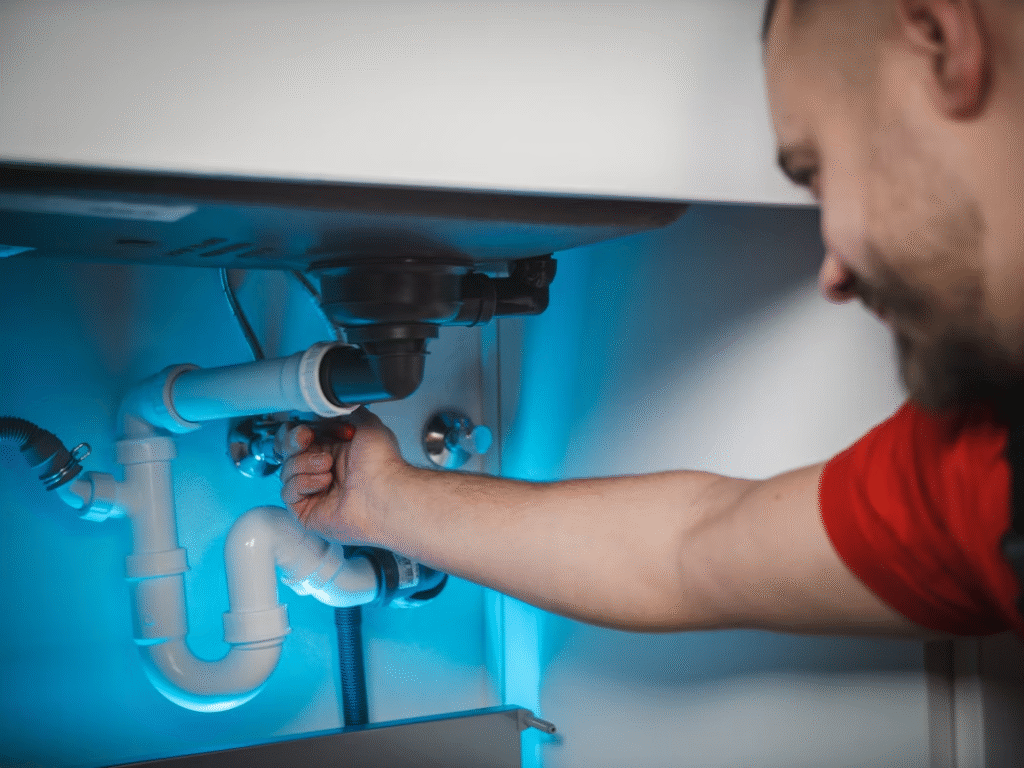
Plumbing issues such as leaks, clogs, and inconsistent water pressure are among the most frequent household concerns. Leaks typically develop in pipes or fixtures and, if ignored, can cause extensive damage. Clogged drains often result from the buildup of grease, hair, or debris, which obstructs the water flow. Low water pressure may stem from corroded pipes or internal blockages, while burst pipes can occur due to freezing temperatures or age-related wear. Timely maintenance and repair play a vital role in preventing these problems and safeguarding the home.
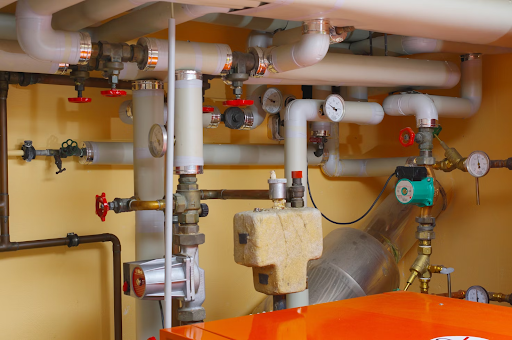 Recognising the significance of a dripping tap is essential. What may appear as a minor inconvenience can lead to substantial water waste and higher bills. Continuous dripping often points to deeper issues, such as deteriorated seals or corroded components. Prompt action not only prevents property damage but also promotes water conservation and supports environmentally responsible living. For professional assistance, visit https://northeastplumbing.com.au/.
Understanding a Leaky Tap
A leaky tap is characterised by slow, consistent dripping that can waste a surprising amount of water over time. This problem often arises from worn washers, damaged seals, or corrosion within the tap assembly. If neglected, it can escalate into more serious plumbing issues and increased utility costs. Addressing the issue early, either through repair or replacement, helps maintain system efficiency and prevents further damage.
Leaks may also occur due to mineral buildup or improper installation. Over time, these issues weaken connections and strain components, resulting in water loss. In fact, a single dripping tap can waste thousands of gallons each year, placing unnecessary demand on local water supplies. Repairing even small leaks helps conserve resources, reduce bills, and promote sustainability.
How to Identify a Leaking Tap
Several signs indicate a leaking tap. The most common is the persistent sound of dripping water. Homeowners may also notice pooling around the sink area or corrosion near the tap’s base. A sudden rise in water bills can signal hidden leaks, while reduced water pressure may suggest an internal issue within the plumbing system.
Leaks can vary in form. Dripping leaks release water intermittently, constant flow leaks create a steady stream, and spraying leaks distribute water across surrounding areas due to pressure faults. Gushing leaks, the most severe, release a large volume of water and require immediate professional attention. Regular inspection of taps helps detect these problems early, preventing structural damage and unnecessary expenses.
Routine maintenance not only conserves water but also extends the lifespan of fixtures. Early detection allows small problems to be corrected before they become major issues, preserving both property value and environmental health.
When a Leaking Tap Becomes a Serious Problem
Minor leaks can escalate into serious issues if neglected. The most common causes include worn washers, corroded fittings, excessive water pressure, or age-related deterioration. Persistent leaks can lead to significant water wastage, structural damage, and mould growth, which poses health risks and affects indoor air quality.
Ignoring a severe leak can also increase long-term repair costs. Prolonged moisture may weaken surrounding materials and cause hidden pipe damage. Identifying and resolving leaks promptly prevents these complications and maintains efficient water use.
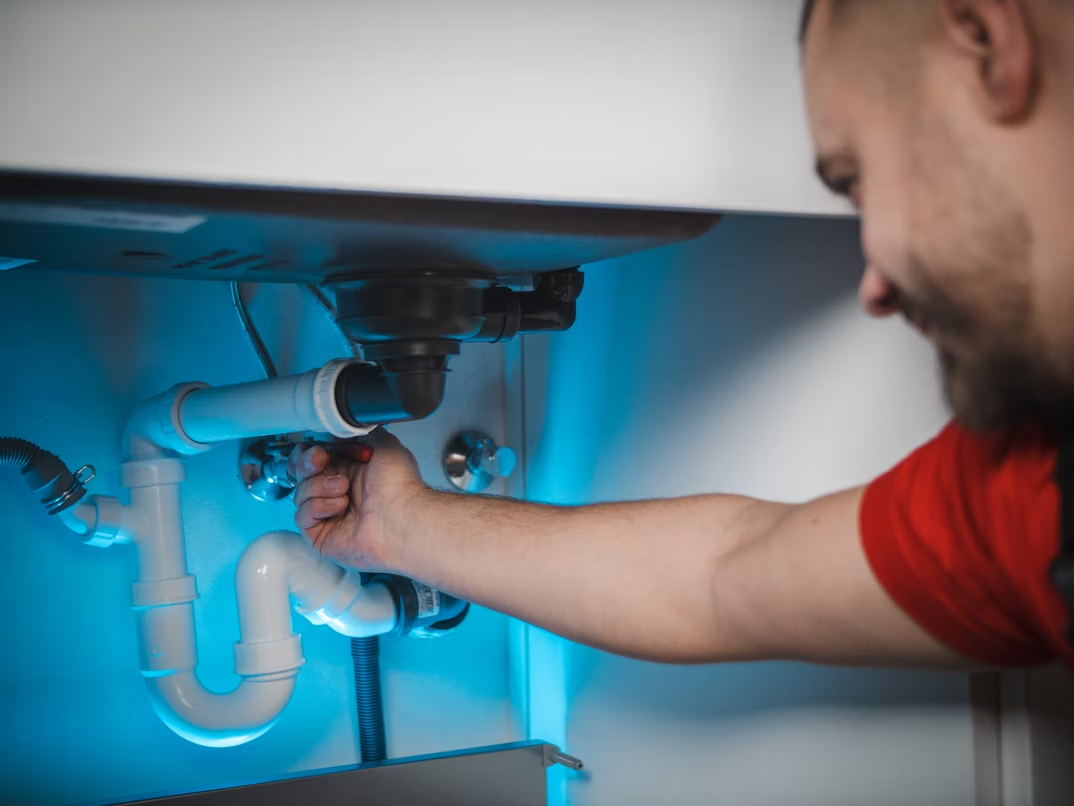
Serious Issues Linked to Persistent Tap Leaks
Unresolved leaks contribute to various structural and health concerns. Continuous exposure to moisture fosters the growth of mould and mildew, which can damage property and trigger respiratory issues. Additionally, corrosion within metal pipes compromises structural integrity and may contaminate water supplies. Regular inspections and timely interventions are therefore essential to preserving plumbing systems and ensuring safety.
Water wastage also leads to rising utility costs. As rates increase, the financial burden of an ignored leak becomes significant. By addressing leaks and using water efficiently, households can reduce costs and contribute to sustainable resource management.
Steps to Take When Facing a Plumbing Issue
Determining whether to repair a leak independently or call a professional is important. Simple fixes, such as replacing a washer, can often be managed by homeowners. However, persistent or complex leaks require expert assessment to prevent further complications. A qualified plumber can identify the root cause and provide lasting solutions.
When consulting professionals, homeowners should consider the potential costs, time frame, and risks involved. Accurate assessment and timely action prevent damage from worsening and reduce overall repair expenses.
Preventive Measures to Avoid Future Leaks
Consistent maintenance remains the most effective method of preventing serious plumbing issues. Regularly checking fixtures, monitoring water pressure, and replacing worn components help ensure smooth operation. Proactive care extends the lifespan of plumbing systems while reducing the likelihood of costly repairs.
Timely replacement of outdated fixtures also improves efficiency and safety. Modern designs are often more durable and conserve water more effectively. Investing in preventive maintenance not only supports sustainability but also enhances property value and long-term satisfaction.