Paving Challenges Today
The demands on modern pavement have never been greater. From ever-increasing vehicle weights to sudden changes in weather patterns, surfaces around homes, businesses, and public spaces face a constant barrage of stresses. Cracks, potholes, drainage failures, and unsightly discoloration can seem inevitable without a plan in place. For commercial properties, these issues extend beyond aesthetics—they can impact safety, liability, and customer perceptions. In many regions, enlisting knowledgeable professionals, such as commercial pavers in St. Louis, MO, is crucial for building pavements that not only look great but also perform effectively under pressure and withstand local environmental challenges.
Much of the nation’s pavement infrastructure was installed decades ago with materials and construction methods that weren’t designed for today’s needs. Pavement deterioration often results from minor issues, such as hairline cracks or poor drainage, which can quickly escalate into costly repairs if not addressed promptly. Supporting research indicates that investing in robust paving materials and skilled installation, rather than cutting corners upfront, can reduce cumulative repair and replacement costs by up to 30%. Forward-thinking property owners and managers recognize that informed decisions today yield substantial financial, functional, and aesthetic benefits in the long run.
Emerging Trends In Paving Materials
Paving solutions are evolving rapidly, driven by new research, consumer demand, and growing environmental concerns. Twenty years ago, choices might have been limited to traditional asphalt or standard concrete, but today’s market offers a broader array. Polymer-modified asphalts introduce additives that enhance pavement flexibility, making surfaces more resilient to cracking caused by load or temperature fluctuations. Permeable pavers, which feature open designs, allow rainwater to filter into the ground below, directly supporting municipal efforts to reduce runoff and minimize urban flooding. Green-minded clients are increasingly opting for concrete with recycled content and eco-friendly binders, resulting in areas that combine durability with sustainability.
Industry experts highlight that these emerging materials don’t just offer environmental benefits—they often last longer and require less repair than their predecessors. Investing in advanced asphalt technologies has yielded surfaces with improved elasticity, enhanced resistance to UV and chemical exposure, and a substantial reduction in maintenance needs. These innovations offer property owners new ways to achieve a long-lasting, attractive appearance while meeting budget and sustainability goals simultaneously.
Choosing The Right Paving Surface
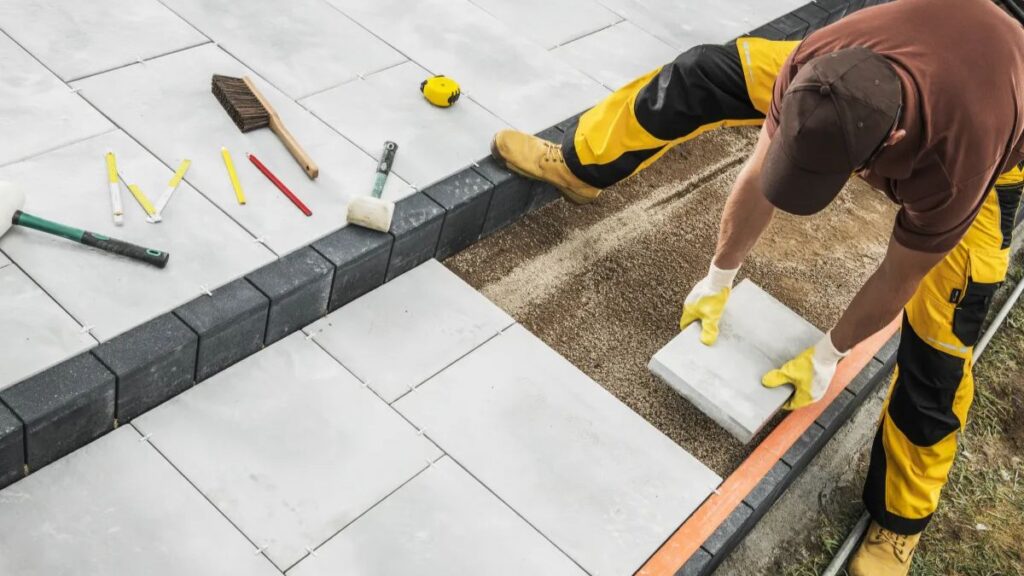
It’s tempting to think of paving as a one-size-fits-all process, but the best outcomes are tailored to unique site requirements. Every property brings a different set of needs to the table based on climate, foot or vehicle traffic, and visual expectations. For instance, businesses that support delivery trucks or heavy equipment need robust surfaces—thicker asphalt or reinforced concrete are proven solutions—while offices or parks looking for a decorative touch may opt for interlocking concrete or stone pavers. In areas prone to heavy rainfall, permeable systems can help control water and reduce the risk of local flooding, offering both a practical and eco-friendly solution.
A key step is asking the right questions:
- How many and what types of vehicles will use the area?
- Will freeze-thaw cycles, deicers, or direct sunlight be major factors?
- How much ongoing maintenance is practical or budgeted for?
- Does the project aim to improve sustainability or manage water more effectively?
Armed with these answers, property owners can consult experts or resources to weigh the material’s strengths, costs, and even its color or texture. The most successful projects prioritize life-cycle value—balancing upfront cost against ongoing performance, repair needs, and eventual replacement.
Routine Maintenance For Longevity
No matter how well-built, every paved surface benefits from routine, preventive care. Asphalt requires sealcoating every two to three years to prevent water intrusion and protect the surface from the sun’s damaging effects. Cracks and minor holes should be filled promptly; water that seeps in, especially in climates that experience freezing and thawing, can expand and exacerbate problems. Concrete surfaces, on the other hand, stay fresh and resistant to stains and chemical exposure with regular power washing and periodic sealing.
Property managers who invest in scheduled maintenance often double, or even triple, their pavement’s expected service life compared to those who don’t. Debris removal—whether fallen leaves, dirt, or loose gravel—protects against surface scouring and blocked drains. Trimming back invasive roots and maintaining clear gutter systems helps keep both surface and underlying structure intact for years to come, reinforcing the value of a well-planned maintenance strategy.
Sustainable Paving Options
Environmental considerations are taking center stage in paving, and for good reason. Permeable pavers are gaining traction in both residential and commercial applications, as they allow water to filter through the pavement itself, decreasing runoff, easing the burden on local stormwater systems, and returning more water to the soil. Many communities encourage or even require permeable surfaces for new developments, and property owners stand to benefit from lower maintenance costs and improved site performance over time.
Recycled asphalt and concrete, as well as innovative “green” binders, are also gaining popularity. These products utilize post-construction or industrial materials, thereby keeping significant quantities of waste out of landfills. Studies indicate that greener pavement choices, when properly installed, can meet or exceed the strength and durability of traditional options. In some cases, city governments offer incentives or recognition for commercial sites that adopt sustainable practices, encouraging even wider adoption of eco-friendly paving techniques.
Weather Effects And Preventative Strategies
Weather is one of the most significant factors in the success or early failure of any paved surface. In cold climates, the expansion and contraction caused by freezing and thawing cycles can cause even modest cracks and joints to deteriorate. Hot climates, on the other hand, can soften asphalt, leading to rutting and eventual breakdown. Salt and chemical deicers accelerate deterioration in both scenarios, making preventative steps vital in any region.
Effective strategies involve careful site preparation and the selection of suitable materials. Professionals recommend:
- Building a well-compacted base with reliable drainage to prevent water collection beneath the surface
- Choosing pavers or asphalt blends optimized for local temperature and precipitation patterns
- Implementing lighter-colored or specially coated surfaces to reflect heat and delay softening
- Applying sealants early and reapplying before forecasted seasonal shifts
Taking these steps helps minimize damage, extend usable life, and reduce future repairs—good news for property owners and municipalities alike.
Pro Tips And Common Errors To Avoid
Mistakes made during paving often have long repercussions, both financially and functionally. Common issues—often identified by seasoned professionals—include inadequate site preparation, neglecting drainage, using inferior base materials, and delaying essential maintenance. While it’s tempting to look for short-term savings, these approaches consistently result in higher costs down the line and may even create avoidable safety hazards.
Checklist For Ongoing Success:
- Get input from paving experts before choosing a surface or product
- Ensure the foundation is stable and correctly compacted for the anticipated use
- Establish an inspection schedule, especially after adverse weather events
- Prioritize minor repairs, such as sealing cracks or patching, before winter hits
- Keep the paved area clean, well-drained, and free from organic debris
By adhering to best practices and promptly addressing repairs or issues, property owners can significantly reduce maintenance costs and maintain surfaces that are both visually appealing and safe to use throughout the year.
Research And Industry News
Staying up-to-date with industry advancements is essential for maximizing the benefits of new materials, installation methods, and sustainable strategies. New research highlights that adopting innovative paving compounds—such as modified asphalt and novel binding agents—leads to reduced maintenance and a smaller carbon footprint.
By applying cutting-edge materials, building with local weather conditions in mind, and adhering to routine care, today’s surfaces can surpass old expectations, setting new standards for longevity and visual appeal. Whether overseeing a commercial parking lot, a leafy neighborhood sidewalk, or a bustling public plaza, following these guidelines helps ensure that every paved area remains functional and attractive for years to come.