
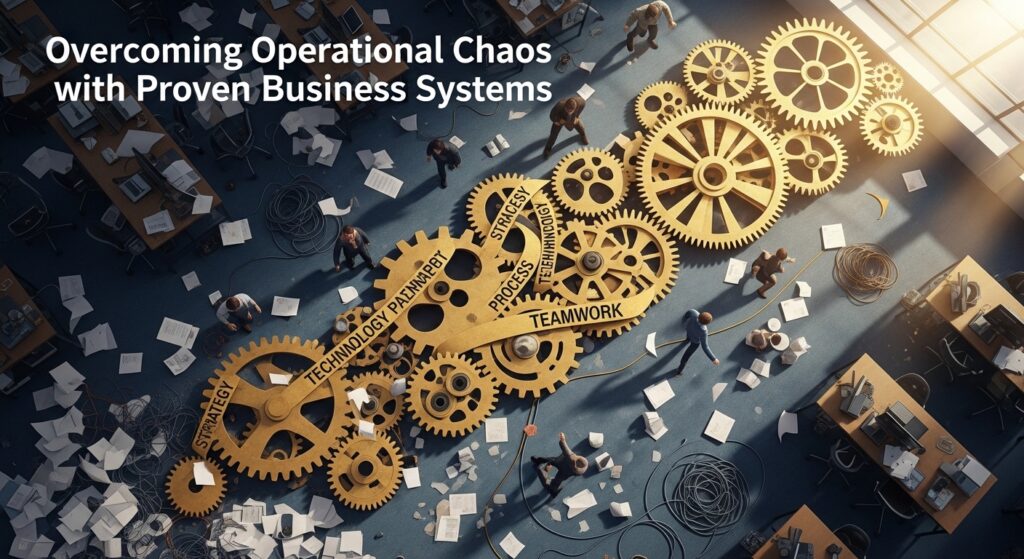
Operational chaos can derail even the most promising businesses, often stemming from inconsistent processes, unclear roles, and reactive decision-making. Companies without structured systems frequently face bottlenecks, inefficiencies, and employee frustration, making sustained growth difficult. Implementing clear workflows, accountability measures, and performance tracking helps organizations stabilize operations and focus on long-term objectives rather than daily firefighting.
One practical approach to achieving this stability is leveraging structured business frameworks like those offered by Portocol. By assessing current operations, clarifying growth strategies, and establishing repeatable processes, companies can transition from reactive management to proactive leadership. Over time, these systems create consistency, improve team alignment, and foster sustainable growth, allowing leaders to focus on strategic initiatives instead of constantly resolving operational crises. Structured frameworks turn complexity into clarity, providing businesses with the foundation they need to thrive.
Understanding Operational Chaos
Operational chaos describes the disorder stemming from misaligned processes and unclear communication in an organization. As businesses adapt to rapid technological change and increasingly complex workflows, the likelihood of encountering chaotic situations grows. About 70% of companies report experiencing this turmoil, citing rapidly evolving technologies and inefficient procedures as the primary culprits. This lack of order impacts not only internal teams but also clients and partners, impeding overall progress.
Impact on Business Performance
The impact of operational chaos on performance cannot be overstated. Businesses experiencing chronic disorganization often face delays in critical decision-making, slower project turnarounds, and interruptions in client service. Research shows that around 75% of organizations report hindered decision-making, while 80% cite negative repercussions for product or service launches because of chaotic operations. This environment also diminishes morale, as employees struggle with unclear priorities and inconsistent workflows, which in turn elevates stress levels and increases staff turnover.
Implementing Effective Business Systems
The antidote to operational chaos lies in adopting well-crafted business systems. These frameworks create order and drive efficiency by defining standardized procedures, integrating automation, and monitoring key indicators. Essential elements of a successful business system include:
- Standard Operating Procedures (SOPs): Comprehensive documentation keeps operations clear and consistent, minimizing the risk of errors and missed steps.
- Process Automation: Leveraging workflow automation tools reduces manual tasks, enabling teams to focus on high-value activities and reducing operational bottlenecks.
- Performance Metrics: Establishing key performance indicators (KPIs) provides objective feedback for continuous improvement and strategic decision-making.
These systems not only foster consistency and innovation but also free up leadership to focus on strategy and new opportunities, leaving the routine execution to reliable processes.
Real-World Examples
Organizations that prioritize operational structure often see transformational results. For instance, a digital agency that deployed a plug-and-play backend operating system reported reduced founder involvement in daily execution and achieved higher profit margins. This system consisted of ready-to-use SOPs, real-time dashboards, and artificial intelligence-driven tools, turning previous chaos into repeatable systems that supported scalable growth. Such transformations underscore the importance of tailored systems: what works for one company may need to be altered for another, reflecting unique business models and cultures.
Steps to Developing Your Business System
Developing your own operational framework involves a series of deliberate steps:
- Assess Current Processes: Conduct a thorough review of existing workflows to identify inefficiencies and friction points.
- Define Objectives: Establish clear, measurable goals to guide the system’s development and ensure alignment across teams.
- Design the System: Identify the processes and select the right tools or automation platforms that fit your specific business needs.
- Implement and Train: Roll out the new system gradually, ensuring each team member understands their role through structured onboarding and ongoing support.
- Monitor and Improve: Run regular evaluations and solicit team feedback to keep processes relevant and refined, making iterative improvements as business demands evolve.
Conclusion
Operational chaos can challenge even the most seasoned teams and hinder growth if left unaddressed. However, structured business systems provide the clarity, scalability, and efficiency needed to restore order and boost performance. By analyzing current processes, establishing objectives, integrating technology, and focusing on continuous improvement, businesses can turn operational disarray into an engine for sustainable success. Embracing these best practices allows organizations to stay competitive, empower their teams, and create lasting value for customers and stakeholders alike.