
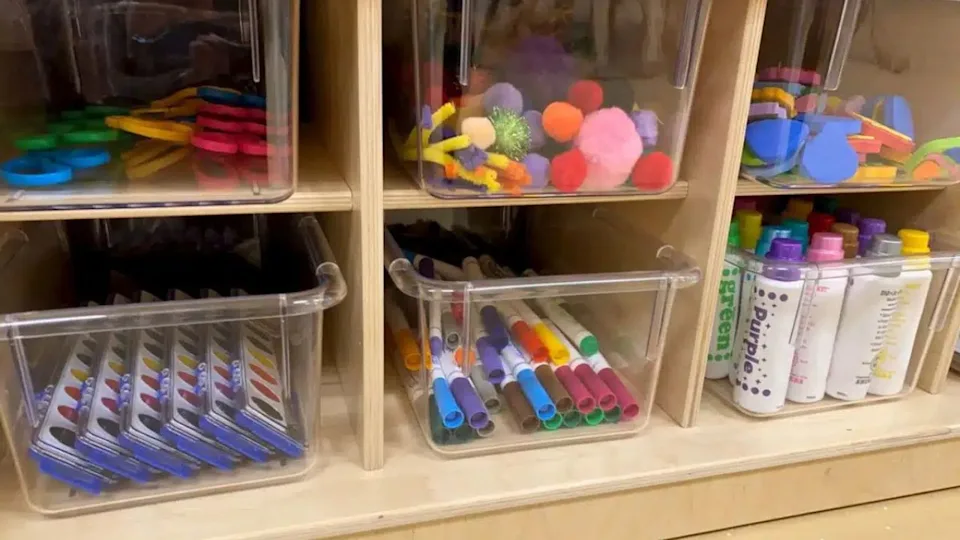
Creativity works best with an expansive and streamlined space. When materials are scattered about, time is wasted hunting for what you’re seeking and the quality of an idea might suffer. With a clean space you worry less about the process and ideas flow more easily and projects go smoothly.
Being systemized doesn’t eliminate personality—it creates a system that supports your creative energy. By implementing simple methods like sorting tools, assigning spaces for storage, and placing tools at your command, you create a workspace that feels inspiring and productive. Even small shifts make a big difference, turning frustration into traction. With everything where it should be, you worry less about dealing with clutter and more about bringing your ideas to life.
Why Organization Helps Creativity
An organized space makes it easier for creative ideas to flow without distractions. When tools and supplies are easy to find, you spend less time searching and more time focusing on your project. A cluttered area often leads to frustration, but a neat environment gives your mind space to think freely. Even larger items that take up unnecessary room can be managed with practical solutions like car storage near Seventy-First High School, which clears space for what matters most. Organization creates balance, helping you feel more relaxed and inspired to bring your ideas to life.
Myth vs reality: Many people believe that creativity thrives in chaos and that a messy desk is a sign of genius. In reality, clutter often leads to stress, wasted time, and lost supplies. A tidy space fosters focus and supports stronger creative output.
By building habits of order, you give yourself the best chance to create consistently.
Decluttering Workspaces
Decluttering is the first step to creating a smoother process in any creative field. A messy space filled with unused materials can feel overwhelming and block inspiration. Start by sorting through supplies, keeping only what you truly use, and removing items that no longer serve a purpose. This not only clears physical space but also helps clear mental space, making it easier to think and create. A unique perspective is to treat decluttering as part of your creative practice rather than a chore. Set aside time regularly, just as you would for sketching, writing, or designing. Each small step keeps your environment fresh and ready for new ideas. By removing unnecessary clutter, you create an inviting space where your creativity can thrive. The process does not have to be perfect—just consistent. Over time, decluttering becomes a natural habit that supports your creative goals and makes projects flow more smoothly.
Smart Storage Solutions
One common question is what are the best storage solutions for creative supplies? The answer is to use clear bins, labeled drawers, or modular shelving so you can see items at a glance. This keeps everything accessible and avoids the frustration of digging through piles of materials. Vertical storage also works well for saving space in smaller studios.
Another frequent question is how can I keep storage affordable while still effective? Start with simple solutions such as repurposing jars, boxes, or baskets you already have. Over time, invest in quality organizers for the items you use most. The goal is not to spend a lot but to create a system that is practical and easy to maintain.
People also ask why is storage important for creativity? Organized storage ensures that tools are always ready, which supports consistent workflow. When your space is tidy and supplies are easy to find, you can focus on creating instead of being slowed down by clutter.
By choosing storage systems that fit your space and budget, you create a smoother, more enjoyable creative process.
Labeling and Categorizing
Labeling and categorizing your supplies is one of the fastest ways to cut down on wasted time. Clear systems make it easier to grab what you need quickly, especially when working on complex projects. Try these practical tips to improve your setup.
- Label bins and drawers with bold, easy-to-read tags
- Group supplies by type, such as paints, fabrics, or tools
- Use color-coded labels for faster recognition
- Keep frequently used items in the most accessible spots
- Review and update labels as your projects change
Common mistakes to avoid: Some people over-label or create categories that are too complicated, making the system harder to use. Others forget to update labels when supplies change, leading to confusion. Skipping labels altogether can also waste time and cause clutter to return quickly.
By keeping labeling simple and consistent, you build a creative space where every tool and supply has its place. This system keeps projects moving forward and supports better focus.
Keeping Tools Accessible
A Fayetteville art major found their projects were coming to a halt because materials were divided among a number of rooms. They were spending valuable time chasing brushes or sketchbooks or paint. With advice from a mentor, they resolved to use an easy system of rolling carts and clear shelves. Brushes were centralized in jars, paint traveled from palette to palette, and sketchbooks received a special tray. It was a small adjustment with a pronounced effect. A week into it, the major found that they could get a head start on projects with less hassle and finish with less stress. Having materials out and at their command produced momentum that carried through each project.
Pros and cons: Advantages of keeping tools out are convenience of use, less frustration, and more continuance of a creative mind-set. It also helps assure supplies are not made inactive because they are out of sight. Drawbacks are the chance of a mess if too much equipment is left out, or potential degradation from frequent use. With moderation, though, benefits outweigh risks many times over.
Professionals agree that accessibility holds the key to consistent creative work. It’s less a question of projecting each and every gadget but of making essentials immediate grabs as and when required. Experience of the art student indicates that attention to organization can count towards greater productivity without the expense of elaborate storage systems. Being able to get tools at one’s fingertips puts preparation as an integral part of the creative process.
Building Creative Habits
Staying organized is not only about tidy shelves but about creating routines that support your goals. When you make a habit of decluttering, labeling, and keeping supplies accessible, the effort becomes second nature. Organizing supplies for a smoother creative process builds confidence and consistency. With small, steady steps, you can shape an environment that inspires ideas and makes every project easier to complete. Start today and let organization fuel your creativity.