In a marketplace where speed and convenience drive customer loyalty, businesses are prioritizing operational improvements to keep up with rising expectations. Integrating same day courier services and scheduled delivery options is proving vital for companies aiming to enhance the overall experience, reduce churn, and encourage repeat business.
The ability to promise—and deliver—goods rapidly or at a time most convenient for the customer has transformed from a luxury to a necessity in many sectors. Adopting these logistics strategies not only improves customer satisfaction but also contributes to stronger competitive positioning and increased sales. At the same time, it requires a careful balance of resources, technology, and planning to make the system run efficiently and sustainably.
Whether you’re a retailer aiming to boost conversion rates or a B2B company streamlining operations, offering dependable same-day and scheduled deliveries can radically expedite your growth trajectory. Businesses willing to innovate in this area often find their operational upgrades pay off in the form of increased trust and brand loyalty among their customer base.
Understanding Same-Day and Scheduled Deliveries
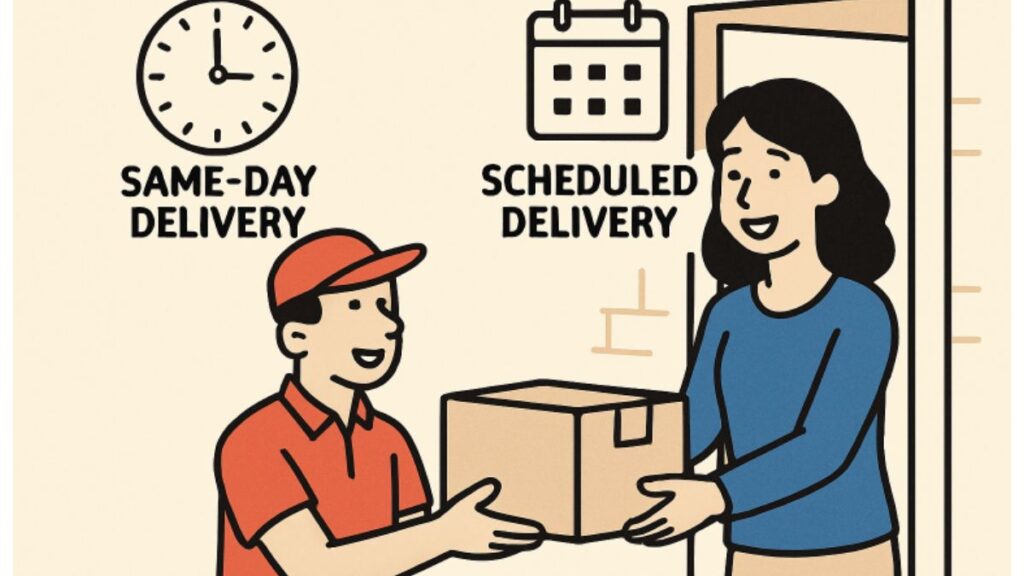
Same-day delivery refers to fulfilling orders and getting products to customers within the same day the purchase was made—a feature particularly in demand for essentials, perishables, or last-minute purchases. Scheduled delivery, in contrast, empowers customers to select a precise delivery window that best fits their schedule. This flexibility engages customers who value control, providing an extra touchpoint for personalization. For companies, both options translate directly into an elevated service offering and increased relevance in the marketplace.
Benefits for Businesses
- Increased Customer Satisfaction and Loyalty: Fast or flexible delivery not only delights customers but significantly raises the likelihood they’ll return for future purchases.
- Competitive Differentiation: The promise of rapid fulfillment can distinguish a business from its rivals, especially as more consumers research shipping timelines before making a purchase.
- Higher Conversion Rates: When online shoppers see a promise of same-day or scheduled delivery, they’re more likely to complete their transaction, reducing abandoned cart rates.
- Brand Advocacy: Meeting or exceeding delivery expectations can transform satisfied customers into brand advocates, generating organic word-of-mouth growth.
Challenges and Considerations
- Logistics Coordination: Streamlined operations are crucial for fast deliveries. Accurate, real-time inventory systems and optimal route planning reduce the risk of delays or failed deliveries.
- Operational Costs: Speed doesn’t come cheap. Businesses must budget for increased labor, courier services, warehousing, and fuel.
- Resource Allocation: Managing fluctuating demand for same-day or scheduled deliveries can lead to staffing challenges or underutilized assets during off-peak times.
- Scalability: As demand grows, businesses must invest in scalable systems to prevent volume increases from compromising speed and efficiency. According to Axios, retailers face constant logistical scaling issues as delivery expectations rise.
Technological Advancements
The rapid growth in e-commerce and on-demand services has led to the development of sophisticated tools for managing deliveries effectively. Automated dispatch and routing software, GPS-based tracking, and real-time communication platforms are now within reach for businesses of all sizes. For example, companies such as Amazon have harnessed these technologies to expand same-day grocery delivery services for perishables, providing a model for others to follow.
AI-driven demand forecasting, integrated mobile apps for customer engagement, and warehouse robotics are further revolutionizing the landscape—enabling businesses to promise near-instant gratification without sacrificing accuracy or reliability.
Steps to Implement
- Assess Demand: Begin by surveying customers or analyzing purchasing data to identify needs for rapid or flexible delivery.
- Upgrade Logistics and Technology: Invest in proven route planning, dispatch management, and inventory tracking software to improve efficiency and minimize errors.
- Build Strategic Partnerships: Select trusted couriers and service providers that can ensure consistent performance at scale.
- Monitor & Optimize: Set clear performance metrics, solicit regular customer feedback, and use insights to refine operational workflows.
- Start Local, Scale Up: Pilot programs in key markets or with select products, then roll out more widely as processes are refined.
Final Thoughts
The integration of same-day and scheduled delivery solutions is transforming the business landscape, enabling companies to meet the evolving needs of their customers with unprecedented speed and convenience. By investing in cutting-edge technology, building reliable logistics networks, and developing flexible delivery strategies, forward-thinking businesses can enhance operational efficiency, improve customer satisfaction, and maintain a competitive edge in a rapidly evolving digital economy.