
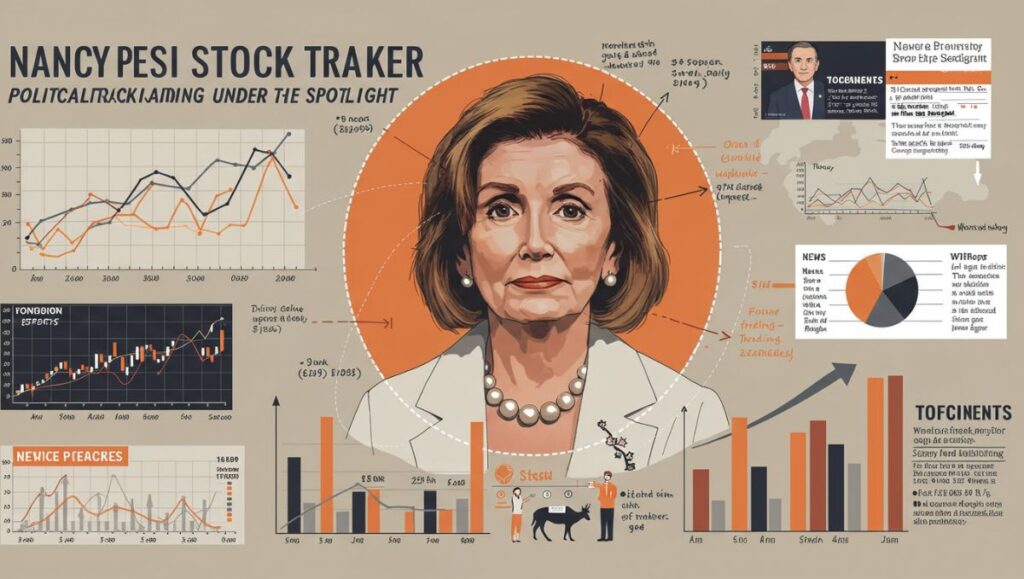
In recent years, there’s been growing public interest in how elected officials manage their personal investments—particularly when it comes to high-ranking members of Congress. One of the most scrutinized political figures in this context is former Speaker of the House, Nancy Pelosi. With her husband, Paul Pelosi, making high-profile trades in tech and other industries, the term “Nancy Pelosi Stock Tracker” has become widely used across the internet.
This article explores what the Nancy Pelosi Stock Tracker is, why it exists, what it reveals, and how it’s impacting the debate over stock trading transparency in U.S. politics.
What Is the Nancy Pelosi Stock Tracker?
The Nancy Pelosi Stock Tracker refers to a variety of online tools, websites, and social media accounts that monitor, document, and analyze stock trades made by Nancy Pelosi or her spouse. These platforms use publicly available financial disclosures required under the Stock Act (Stop Trading on Congressional Knowledge Act of 2012).
While Nancy Pelosi herself has stated she doesn’t directly handle investment decisions, her family’s trades have drawn significant public attention, especially when they align closely with key legislative decisions or sector-specific regulations.
Popular Pelosi Stock Tracker Platforms:
-
Quiver Quantitative
-
Unusual Whales
-
House Stock Watcher
-
Reddit forums like r/pelosiportfolio or r/wallstreetbets
Why Is There Interest in Pelosi’s Trades?
The interest in the Nancy Pelosi Stock Tracker stems from two major concerns: insider trading and political influence over the market.
1. Timing of Trades
Many trades by Pelosi’s husband appear to align with major congressional actions or upcoming legislation. Critics argue this raises ethical concerns over whether lawmakers are using non-public information to guide investment decisions.
2. High Returns
Some of the reported trades have yielded significant returns, further fueling speculation. For example, high-profile purchases of stocks like Nvidia, Apple, and Microsoft often coincided with federal discussions around tech regulations or infrastructure.
3. Transparency and Accountability
The growing awareness around these trades has triggered public demand for greater transparency in political trading, and some even call for a full ban on members of Congress trading stocks altogether.
The Role of the STOCK Act
The STOCK Act, passed in 2012, was designed to combat insider trading among government officials. It requires members of Congress to publicly disclose any stock transactions over $1,000 within 45 days.
Key Features:
-
Applies to members of Congress and their immediate family
-
Transactions must be reported in periodic transaction reports (PTRs)
-
Data is made available to the public, enabling tracking tools to function
While the STOCK Act was a step toward transparency, critics argue that enforcement is weak and penalties for late disclosures are minimal.
How the Nancy Pelosi Stock Tracker Works
Most Pelosi Stock Trackers use data pulled from the U.S. House of Representatives’ official financial disclosure website. Here’s a breakdown of how these tools typically operate:
1. Data Collection
The tool pulls transactional data from Pelosi’s PTR filings, including:
-
Date of transaction
-
Type of asset (stock, option, ETF, etc.)
-
Buy or sell
-
Estimated value range
2. Visualization
The data is displayed in user-friendly dashboards or graphs showing:
-
Trade performance over time
-
Industry exposure
-
Correlation with market movements
3. Notifications
Some trackers or social media accounts alert users in real time when a new disclosure is filed, allowing retail investors to mimic—or avoid—certain trades.
Examples of High-Profile Pelosi Trades
Here are a few examples that have caught widespread attention:
Nvidia Call Options
In July 2022, Paul Pelosi bought millions in Nvidia call options shortly before a congressional vote on a semiconductor subsidy bill. The trade raised questions due to its proximity to pending legislation.
Apple and Microsoft Holdings
Several disclosures revealed large holdings in major tech companies. Critics noted the timing aligned with discussions around tech regulation and antitrust legislation.
Alphabet Sell-Off
The sale of Alphabet (Google’s parent company) shares occurred just before new regulatory scrutiny announcements, leading to accusations of strategically timed divestment.
These examples are based on publicly filed disclosures and do not constitute legal accusations.
Impact on Retail Investing
The Nancy Pelosi Stock Tracker has become an unlikely source of investment signals for retail traders and even institutional analysts. Many retail investors follow these trades to:
-
Mimic perceived “smart money” moves
-
Gain insight into potential legislative impacts
-
Analyze political influence on stock performance
This trend has led to the creation of mock portfolios that track the performance of Pelosi’s disclosed trades—some of which have outperformed the broader market in certain years.
Criticism and Controversy
While some defend the legality of these trades under current law, the ethical implications have sparked heated debate:
Conflict of Interest
Even if the trades are legal, critics argue that elected officials should not hold positions in companies they are tasked with regulating.
Calls for a Ban
A bipartisan movement in Congress has called for a ban on individual stock trading by lawmakers and their spouses, citing the need to rebuild public trust.
Selective Targeting
Some argue that the focus on Pelosi alone may be politically motivated. Numerous other lawmakers from both parties also report active trading portfolios, but they receive less media scrutiny.
Proposed Reforms
Multiple bills have been introduced in Congress aiming to reform or eliminate congressional stock trading:
-
Ban Congressional Stock Trading Act
-
TRUST in Congress Act
-
ETHICS Act
While none have passed as of this writing, public pressure continues to mount, especially as tools like the Nancy Pelosi Stock Tracker keep the spotlight on the issue.
The Bigger Picture: Ethics and Accountability
The popularity of the Nancy Pelosi Stock Tracker reflects a broader public demand for transparency and accountability in government. While it serves as a data-driven tool, it also raises essential questions:
-
Should lawmakers be allowed to trade stocks?
-
Does access to insider knowledge create an unfair advantage?
-
Is the current level of disclosure sufficient for public trust?
Regardless of where one stands, it’s clear that tools like these are shaping the public narrative around ethics in government and influencing real legislative proposals.
Final Thoughts
The Nancy Pelosi Stock Tracker is more than just a portfolio analysis tool—it’s a symbol of growing public scrutiny of political influence in financial markets. While Nancy Pelosi has denied direct involvement in her family’s investment decisions, the disclosures required under the STOCK Act continue to fuel debate, inspire copycat trades, and drive demands for reform.
As long as elected officials are allowed to hold and trade stocks, public trackers like these will remain powerful tools for promoting transparency, civic awareness, and financial literacy.