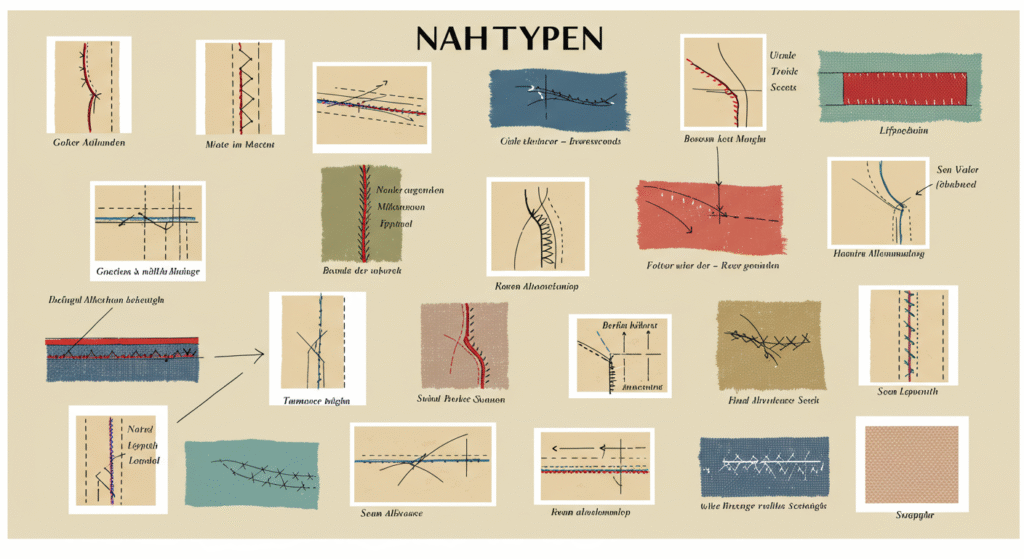
In the world of sewing and textiles, seams are far more than just stitches holding fabric together. They define the durability, comfort, and visual appeal of garments and home décor. The German word nahttypen translates to “types of seams,” and it refers to the various ways fabrics can be joined. Understanding different nahttypen is essential for designers, tailors, and hobby sewists alike.
From strong, functional stitches to delicate decorative ones, nahttypen play a vital role in both the structure and aesthetics of clothing. This article explores the most common seam types, their uses, and why they matter in the fashion and textile industry.
What Are Nahttypen?
Nahttypen are different seam constructions used in sewing. A seam is created when two or more pieces of fabric are joined by stitching. However, not all seams are the same. Depending on the purpose of the garment, the type of fabric, and the desired finish, different nahttypen are chosen.
For example:
-
A delicate blouse may use a French seam for elegance.
-
Jeans rely on flat-felled seams for strength.
-
Sportswear often uses overlock seams for stretch and flexibility.
This variety ensures that each piece of clothing is both functional and visually pleasing.
Importance of Choosing the Right Nahttypen
Selecting the right seam type has multiple benefits:
-
Durability: Strong seams prevent tearing and extend garment life.
-
Comfort: Smooth seams reduce irritation against the skin.
-
Appearance: Decorative seams enhance the style and elegance of clothing.
-
Functionality: Specialized seams allow for stretch, reinforcement, or waterproofing.
By mastering different nahttypen, sewists can create garments that balance functionality and beauty.
Common Types of Nahttypen
1. Plain Seam (Geradstichnaht)
The plain seam is the most basic and widely used seam. It involves placing two pieces of fabric right sides together and stitching along the edge.
-
Uses: Everyday clothing, home décor, and general sewing.
-
Advantages: Simple, fast, and versatile.
2. French Seam (Französische Naht)
A French seam encloses the raw edges of fabric, creating a neat, finished look.
-
Uses: Lightweight fabrics like silk, chiffon, or organza.
-
Advantages: Prevents fraying, gives a clean inside finish.
3. Flat-Felled Seam (Kappnaht)
The flat-felled seam is strong and durable, with fabric edges folded and stitched down flat.
-
Uses: Jeans, workwear, and children’s clothing.
-
Advantages: Extremely durable and resistant to wear.
4. Overlock Seam (Overlocknaht)
Also known as a serged seam, the overlock seam trims fabric edges while stitching them together.
-
Uses: Knitwear, sportswear, stretch fabrics.
-
Advantages: Flexible, prevents fraying, professional finish.
5. Zigzag Seam (Zickzacknaht)
A zigzag seam uses a zigzag stitch to join fabric or finish raw edges.
-
Uses: Stretch fabrics and finishing edges without a serger.
-
Advantages: Elasticity and simplicity.
6. Lapped Seam (Überdeckte Naht)
The lapped seam involves overlapping fabric edges and stitching them together.
-
Uses: Leather, vinyl, and heavy fabrics.
-
Advantages: Strong, flat, and ideal for non-fraying materials.
7. Bound Seam (Eingefasste Naht)
A bound seam uses bias tape or binding to encase raw edges.
-
Uses: Unlined jackets, skirts, and interior garment finishes.
-
Advantages: Decorative, clean, and protective.
8. Double-Stitched Seam (Doppelte Naht)
This seam involves two rows of parallel stitching for reinforcement.
-
Uses: Heavy fabrics, denim, and outdoor gear.
-
Advantages: Extra strength and durability.
9. Topstitched Seam (Abgesteppte Naht)
A topstitched seam features visible stitches on the outside of the fabric.
-
Uses: Decorative stitching in jackets, bags, and jeans.
-
Advantages: Adds detail and strengthens the seam.
10. Welt Seam (Kantennaht)
A welt seam is similar to a plain seam but pressed and stitched flat for a crisp edge.
-
Uses: Tailored garments like suits and coats.
-
Advantages: Neat, professional appearance.
Decorative Nahttypen
Not all seams are functional—some serve primarily aesthetic purposes. Decorative seams include:
-
Embroidery seams with colorful thread.
-
Piped seams that insert contrasting piping for design.
-
Topstitched variations that add texture and flair.
These seams combine craftsmanship with artistry, enhancing garments beyond functionality.
Nahttypen for Different Fabrics
Choosing seam types depends heavily on fabric:
-
Lightweight fabrics → French seams to avoid bulk.
-
Heavy fabrics → Flat-felled or double-stitched seams for strength.
-
Stretch fabrics → Overlock or zigzag seams for flexibility.
-
Delicate fabrics → Bound or rolled seams to prevent damage.
By aligning seam type with fabric, designers ensure both beauty and durability.
Nahttypen in Fashion and Industry
In fashion, nahttypen influence not only garment strength but also style. Luxury brands often use French seams for elegance, while sportswear relies on overlock seams for flexibility.
In industrial applications, seam types are chosen for performance. For example, protective clothing may use sealed seams for waterproofing, while uniforms require reinforced seams for durability.
Tools and Machines for Nahttypen
Different seams require specific sewing techniques and tools:
-
Sewing machine: Essential for straight, zigzag, and decorative seams.
-
Overlock (serger): Needed for overlock and stretch seams.
-
Industrial machines: Used for flat-felled or heavy-duty seams.
Mastering these tools allows sewists to expand their repertoire of nahttypen.
Challenges in Mastering Nahttypen
Learning different seam types can be challenging, especially for beginners:
-
Skill level: Some seams, like French or flat-felled, require practice.
-
Time: Decorative seams can be time-consuming.
-
Fabric handling: Slippery or stretchy fabrics demand careful seam selection.
Despite these challenges, mastering nahttypen significantly enhances sewing quality.
The Future of Nahttypen
With technology advancing, seam types are evolving too. Innovations include:
-
Heat-sealed seams for waterproof outdoor gear.
-
Laser-cut seams for precise, no-fray edges.
-
Smart seams integrated with wearable technology.
The future of nahttypen combines tradition with innovation, blending craftsmanship with modern materials and tools.
Conclusion
Nahttypen are at the heart of sewing, fashion, and textile design. From plain seams that hold garments together to decorative stitches that enhance beauty, each type serves a unique purpose. Choosing the right seam ensures durability, comfort, and style.
For sewists, designers, and industry professionals, understanding nahttypen is not just a technical skill—it’s an art form that brings creativity and function together. As materials and technologies evolve, seam types will continue to shape the future of fashion and textiles.