Choosing the right roofing solution is crucial for homeowners, as it impacts longevity, value, energy efficiency, and environmental impact. Staying informed about evolving materials, technologies, and best practices is essential, as resources like roofing trend guides provide valuable insights. Roofing now includes durable, stylish, and eco-friendly options beyond traditional shingles or basic repairs. Changing weather and efficiency needs influence your choice, affecting comfort and costs. Whether renovating or building new, understanding modern roofing helps you make informed decisions.
The Shift to Advanced Roofing Materials
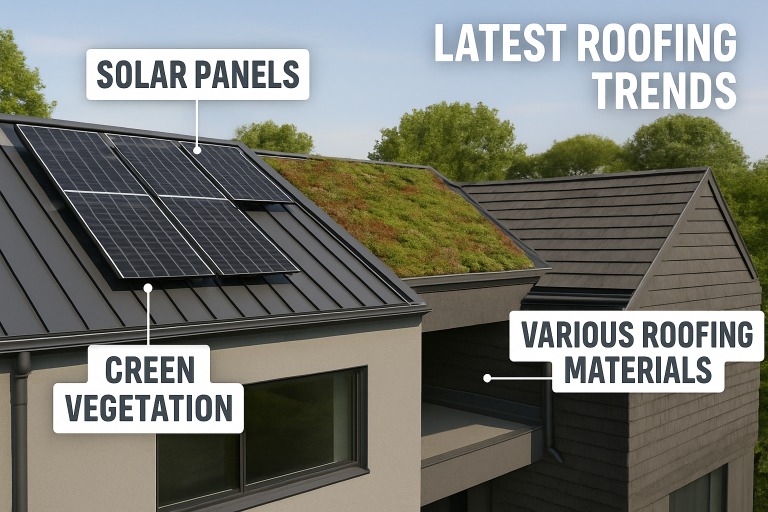
Homeowners can now access innovative materials beyond asphalt shingles, including composite slate, metal, recycled rubber, and synthetic clay tiles. These choices offer durability, unique aesthetics, and require minimal maintenance for a long lifespan. Experts advise considering climate, budget, and HOA rules when selecting a modern roof. A shift to fire- and impact-resistant options provides better protection and can lower insurance costs. Resources like this website can be invaluable for more details on available options and guidance.
How Technology Changes the Roofing Industry
Technological advancements are revolutionizing how roofs are built, inspected, and maintained. Aerial drones allow for precise measurements and pre-installation surveys without climbing onto the roof. Smart sensors embedded in roofing systems monitor for leaks or damage in real time, sending alerts before small problems escalate. Meanwhile, contractors employ digital project management tools to increase transparency and reduce delays. When hiring a roofing professional, ask about these technologies for a safer, more efficient installation process.
Energy-Saving Trends in Residential Roofs
Energy efficiency has become a core focus in modern roofing. Cool roofs—made from highly reflective surfaces—reduce heat absorption, keeping homes cooler in summer and lowering air conditioning costs. According to the U.S. Department of Energy, cool roofs can significantly reduce indoor temperatures, especially in sunbelt regions. Many homeowners also add solar panels or shingles to cut utility bills and future-proof their properties.
Roofing Choices for Extreme Weather
Extreme weather is an increasing concern in many parts of the country. Roofing manufacturers have used specialized materials and systems to withstand heavy wind, hail, snow, and torrential rains. Impact-resistant shingles and metal panels provide greater resilience and require fewer repairs after severe storms. Proper ventilation and underlayment are vital for homes in snowy areas to prevent ice dam formation and leaks. Homeowners should always research weather history in their region to ensure they select the most appropriate roofing solution.
Eco-Friendly Materials and Practices
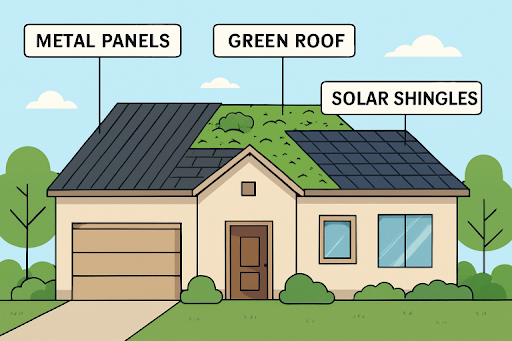
Sustainability is no longer just a buzzword—it’s shaping every aspect of home improvement. Modern roofing includes materials made from recycled content, such as rubber or plastic shingles, and highly recyclable metals. Solar shingles and green roofs (with living vegetation) offer lower utility costs, help with stormwater management, and promote urban biodiversity. Programs and incentives by local governments encourage homeowners to adopt these green solutions, adding further value beyond utility savings.
The Role of Professional Installation
While roofing may seem suitable for DIYers, complexities mean professional installation is best. Licensed contractors follow codes, use specialized tools, and ensure long-term performance. It also preserves warranties, supports insurance claims, and reduces safety risks. Select a reputable, experienced installer for peace of mind.
Roof Maintenance for Long-Term Value
Ongoing roof maintenance is crucial for protecting your investment. Schedule annual or biannual inspections to identify issues like cracked shingles, loose flashing, or clogged gutters. Prompt repairs prevent minor leaks from becoming costly structural damage. Cleaning debris and moss buildup enhances curb appeal, prolongs roof material life, and supports your home’s overall energy efficiency.
Balancing Cost, Value, and Curb Appeal
A quality new roof has a high initial cost but offers long-term benefits. Durable, modern materials reduce replacements, lower maintenance, and increase resale value. Energy-efficient upgrades save on bills and may qualify for tax incentives. A striking, well-maintained roof can attract buyers and fetch a premium in a competitive market.
Final Thoughts: Building Roofs for the Future
The roofing industry is evolving quickly, offering homeowners choices that blend durability, efficiency, sustainability, and style. Modern options include advanced materials, weather-resistant designs, energy-saving tech, and eco-friendly practices, providing immediate protection and long-term value. Proper installation and maintenance are crucial to ensure safety, comfort, and curb appeal. By balancing cost, quality, and innovation, homeowners can choose roofing solutions that meet current needs and adapt to future challenges.