
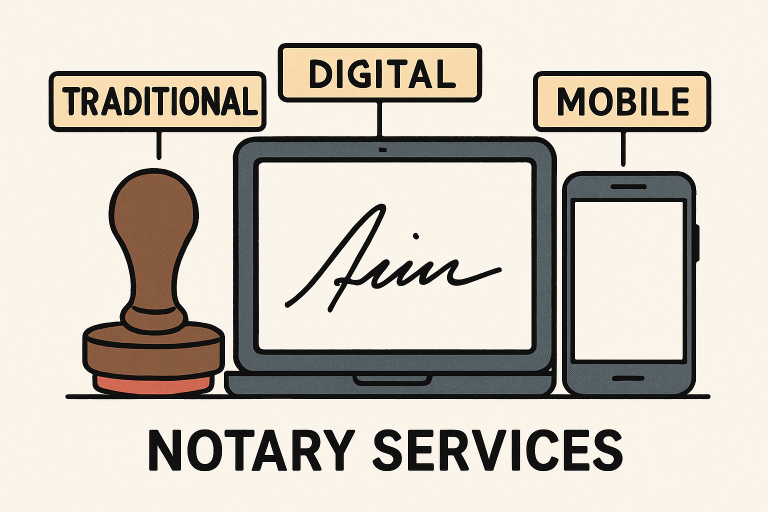
In today’s digitally driven world, notary services are experiencing a revolution shaped by emerging technologies and shifting client expectations. The rise of virtual and mobile options, along with innovative approaches to document security, is redefining the notary profession from its traditional roots. Notaries and clients alike need to stay informed about these changes to benefit from the evolving landscape. For those looking to build a foundational understanding or seeking licensure, resources such as the notary public study guide New York are essential tools for staying up to date with current requirements and best practices.
The notary profession is evolving due to demands for convenience, security, and efficiency. Modern notaries must adapt to technological changes and regulatory frameworks, while ensuring legal compliance and client trust. This article discusses key trends, challenges, and opportunities in notary services, emphasizing the importance of adaptability and specialized knowledge for success in the digital era.
The Rise of Remote Online Notarization (RON)
Remote Online Notarization, commonly referred to as RON, has dramatically expanded access to notary services while modernizing the profession. With RON, notaries can verify identities and witness signatures through secure video calls, making in-person appointments optional for many documents. This has made notarization more accessible to people with mobility challenges, those with busy schedules, and those living in remote areas. Governments and legal organizations continue to update their policies to support RON as its popularity grows, adding extra convenience for law offices, real estate transactions, and individuals across the country. The increasing adoption of RON underscores the need for notaries to invest in secure technology platforms.
Technological Advancements in Notary Services
Aside from virtual services, other technology trends are providing a robust foundation for enhanced security, efficiency, and compliance. Blockchain technology, for example, enables the creation of tamper-proof logs for verifying document authenticity. This offers peace of mind for transactions that require indefinite chain-of-custody tracking. Artificial intelligence (AI) is streamlining identity checks by analyzing official documents and facial biometrics in real time, which can prevent common scams and identity fraud. As notaries adopt these advancements, they offer a more seamless and trusted experience for clients seeking high-value or high-stakes notarizations.
Growth of Mobile Notary Services
The mobile notary industry has soared due to its client-focused approach. Instead of requiring clients to visit a traditional office, mobile notaries travel directly to homes, offices, hospitals, and even public locations to provide fast, flexible service. This is especially appealing in larger urban centers where convenience and time-saving are critical. Whether accommodating after-hours requests for legal documents or providing extra privacy for sensitive signings, mobile notary professionals are filling a market gap and experiencing rapid growth. Market research indicates billions in annual revenue potential for mobile notaries as more clients seek services that fit their unique lifestyles.
Challenges in the Modern Notary Landscape
The rapid pace of change in notary services comes with notable challenges. Learning how to navigate complex, evolving regulations can be daunting for both new and experienced notaries. Each state may have different rules and technology requirements, and keeping up with frequent changes demands continuous education and adaptability. Additionally, as cyber threats become more sophisticated, notaries must implement advanced security protocols to stay ahead of identity fraud and data breaches. There is also a cost element; investing in compliance training, secure software, and ongoing certification can be burdensome for smaller operations or solo practitioners.
Another significant challenge is maintaining trust in a digital environment where face-to-face interaction is no longer the norm. As client expectations rise and legal standards shift, notaries must work harder to build credibility and demonstrate the security of their services.
Opportunities for Notaries in a Digital Age
For those open to embracing innovation, the digital transformation presents many new paths to professional success. Notaries can position themselves as experts in niche markets such as estate planning, mortgage closings, or international notarizations by earning certifications tailored to those specialties. By blending traditional in-person services with online and mobile solutions, professionals can offer unique hybrid packages that appeal to a wider client base. Staying up to date with technological advancements, pursuing professional development, and joining peer networks help notaries future-proof their services while fostering a reputation for reliability and expertise.
Industry leaders suggest that proactive notaries are seeing increased demand as legal, real estate, and financial sectors rely more on secure, digital verification methods. These opportunities are plentiful for those who commit to ongoing education and innovation.
Conclusion
The notary profession is moving swiftly toward a more digital, secure, and client-driven future. By staying alert to trends such as RON, mobile services, and advanced high-tech security, today’s notaries can meet their clients’ needs and thrive despite ongoing challenges. Those who invest in lifelong learning and technology will reimagine what it means to be a trusted agent of document verification in the coming years.