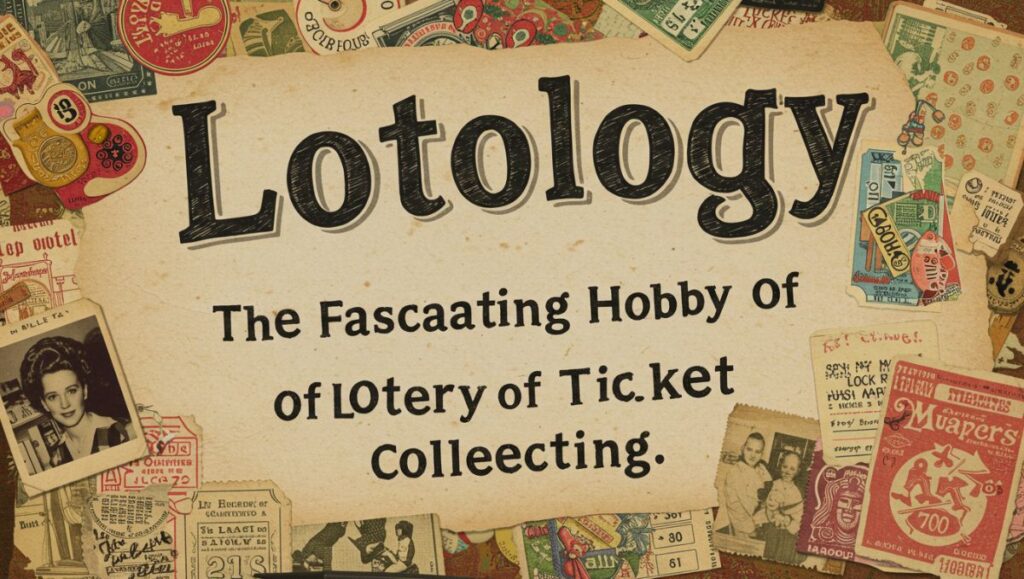
When most people think of lottery tickets, they imagine a quick chance at winning money. But for a niche group of enthusiasts, these colorful slips of paper are far more than disposable game pieces—they are collectibles. The hobby of lotology—the collection and study of lottery tickets—has quietly grown into an international pastime.
Collectors view lottery tickets as cultural artifacts that tell stories about history, design, art, and human fascination with luck. Much like philately (stamp collecting) or numismatics (coin collecting), lotology gives enthusiasts a way to explore history, culture, and creativity through an everyday item most people throw away.
Origins of Lotology
The word lotology comes from the root “lottery” combined with the Greek “-logy,” meaning “study.” The practice began informally in the mid-20th century when state-run lotteries became widespread in Europe and the United States.
-
Early examples: Collectors began saving scratch-off tickets, draw tickets, and promotional game cards as curiosities.
-
Historical value: Older tickets often reflect the graphic design trends, political climates, or cultural icons of their era.
-
Global spread: As national lotteries expanded worldwide, lotology gained followers in countries such as Italy, the UK, China, and the U.S.
Today, lotology is still a niche compared to stamp collecting, but online marketplaces and collector groups have helped it grow into a recognized hobby.
Why People Collect Lottery Tickets
People are drawn to lotology for different reasons:
-
Design and Artwork
Scratch-off tickets in particular often feature vibrant designs, from holiday themes to sports icons, making them visually appealing collectibles. -
Cultural Curiosity
Lottery tickets often capture pop culture, featuring celebrities, movies, or local traditions. Collectors enjoy how tickets reflect society’s values at a given time. -
Rarity and Value
Some tickets are printed in limited runs or linked to special events, making them rare and sought-after. -
Personal Connection
Many people start collecting tickets from trips, family memories, or “lucky” games they played. -
Historical Preservation
Just like old currency or stamps, tickets serve as historical documents of gambling laws, marketing trends, and design evolution.
Types of Lottery Tickets in Lotology
Lotologists often categorize their collections by ticket type.
1. Scratch-Off Tickets
Perhaps the most popular type for collectors. They come in countless themes, colors, and formats, often released in limited series.
2. Draw Tickets
Traditional printed tickets for weekly draws (such as Powerball or EuroMillions). Older draw tickets from the early days of state lotteries can be highly collectible.
3. Promotional and Event Tickets
Special lottery games tied to sports events, movies, or holidays often attract collectors. For example, Olympic-themed or World Cup lottery tickets.
4. International Tickets
Some collectors focus on tickets from around the world, building collections that reflect global diversity in design and gaming.
5. Error Tickets
Rare misprints or unusual production errors can be highly valuable, similar to coins or stamps with minting mistakes.
The Value of Lottery Tickets in Collecting
Most lottery tickets have little monetary value once used, but certain factors increase collectability:
-
Age – Older tickets, especially from early lottery systems, are harder to find.
-
Condition – Tickets kept in mint or unused condition are more desirable.
-
Design – Attractive, unusual, or artistic designs often appeal to collectors.
-
Rarity – Limited print runs, discontinued series, or error tickets command higher prices.
-
Cultural significance – Tickets tied to famous events (like the Olympics or national anniversaries) often hold value.
While lotology is not as mainstream as coin or stamp collecting, some rare tickets have been sold for hundreds of dollars among dedicated collectors.
How to Start a Lotology Collection
For beginners, starting a collection is simple but requires organization.
Step 1: Save Tickets
Start with lottery tickets you buy yourself or collect unused ones from friends and family. Even losing tickets are collectible.
Step 2: Choose a Focus
-
By country or state
-
By theme (holidays, sports, movies)
-
By ticket type (scratch-offs, draw tickets, promos)
Step 3: Preserve Properly
-
Store tickets in plastic sleeves or albums to protect them from fading or bending.
-
Keep them in a cool, dry place to avoid deterioration.
Step 4: Connect with Collectors
Join online lotology groups, forums, or social media communities. Collectors often trade tickets internationally.
Step 5: Research and Catalog
Create a catalog of your collection, noting the year, country, and ticket type. This helps track rarity and value.
Lotology and Online Communities
The internet has been a huge boost for lotologists. Online auction sites like eBay regularly list tickets for collectors, while dedicated forums allow trading across borders.
-
Social media – Facebook groups and Reddit communities host active lotology discussions.
-
Collector clubs – Specialized clubs exist in Europe and the U.S., where enthusiasts exchange tips and rare tickets.
-
Digital archives – Some collectors scan tickets to create digital catalogs for reference.
These networks make it easier than ever to expand collections and learn about the global lottery ticket market.
Preservation and Challenges
Because lottery tickets are made from cheap paper, preserving them long-term is a challenge. Unlike coins or stamps, tickets are prone to fading, tearing, and damage.
Tips for preservation:
-
Use acid-free albums or sheets.
-
Avoid exposing tickets to sunlight.
-
Handle with care to prevent scratches, especially on scratch-off foil areas.
One of the biggest challenges is that most people discard tickets, making older examples rare. This scarcity is precisely what makes lotology exciting for collectors.
Lotology vs. Other Collecting Hobbies
Lotology often gets compared to philately and numismatics.
-
Stamps – Like stamps, tickets are colorful and reflect cultural moments.
-
Coins – Like coins, some tickets gain value due to rarity or printing errors.
-
Trading cards – Scratch-off tickets often resemble collectible trading cards in their design variety.
The difference is that lottery tickets were never intended to be saved. This makes lotology a unique and unconventional collecting field.
Fun Facts About Lotology
-
The first recorded lotteries date back to ancient China, around 200 BC, where tickets funded public projects like the Great Wall.
-
The U.S. state of New Hampshire introduced the first modern government lottery in 1964.
-
Some collectors focus only on winning tickets that were never claimed, though these are extremely rare.
-
A few museums and exhibitions have displayed lottery ticket collections as cultural artifacts.
The Future of Lotology
As lotteries increasingly move toward digital formats and online apps, physical lottery tickets may eventually become rarer. This could make paper tickets from the 20th and early 21st centuries more valuable in the future.
For collectors, this means now is the perfect time to start saving tickets, before they disappear from everyday life.
Conclusion
Lotology may be a niche hobby, but it offers a fascinating window into culture, design, and history. What most people view as disposable, collectors see as treasures worth preserving. From colorful scratch-offs to historic draw tickets, each slip of paper tells a story about society’s ongoing fascination with chance and luck.
For beginners, the entry cost is low—just start saving tickets. Over time, with organization, research, and connections to collector communities, your lotology collection can grow into a unique archive of cultural history.