
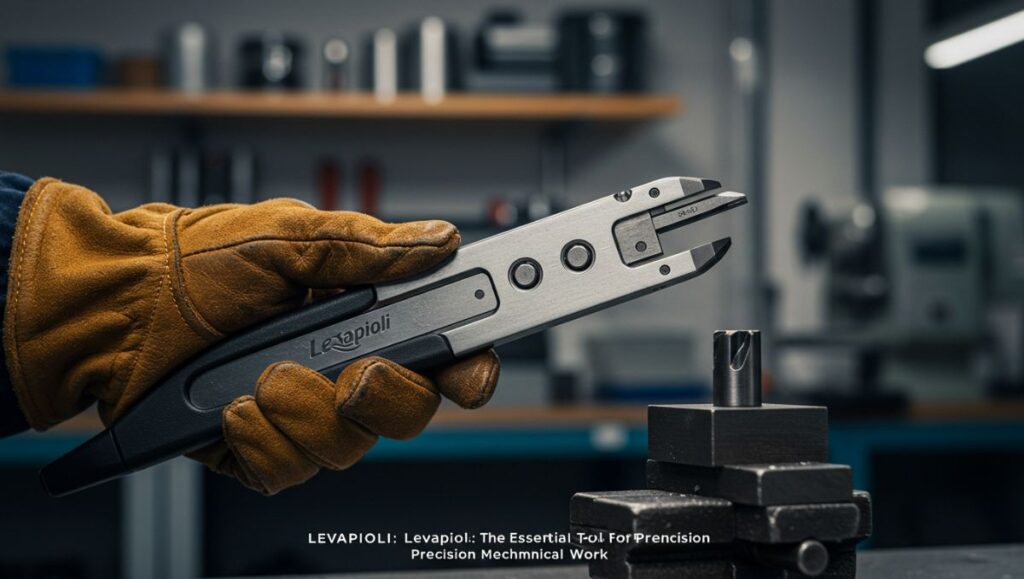
In the world of mechanical engineering, automotive repair, and industrial manufacturing, tools that offer precision and efficiency are invaluable. One such tool—though lesser-known outside professional circles—is the Levapioli.
Compact yet powerful, Levapioli plays a critical role in tasks involving the removal, alignment, and installation of components. Whether you’re a mechanic, an engineer, or a technician, understanding what Levapioli is and how it functions can significantly improve the quality of your work.
In this article, we’ll explore everything you need to know about Levapioli: from its definition and applications to its importance in mechanical and industrial tasks.
What is Levapioli?
Levapioli is an Italian term that roughly translates to “pin remover” or “puller tool” in English. It is commonly used in mechanical settings to extract pins, rods, or bearings from tight spaces or secured assemblies without causing damage to surrounding components.
Definition:
Levapioli is a specialized tool designed to extract small parts such as cotter pins, alignment pins, and precision rods from mechanical or automotive assemblies.
It can come in various designs depending on its intended use, such as:
-
Slide hammers
-
Pin punches
-
Bearing pullers
-
Custom-fitted mechanical levers
History and Origin of Levapioli
The term Levapioli originates from Italy, a country renowned for its contributions to automotive and industrial machinery (think Ferrari, Ducati, and Fiat). Italian engineering workshops have long employed such tools to facilitate precision work, especially in areas like:
-
Automotive assembly lines
-
Aerospace engineering
-
Precision machining
Today, the term is used globally in some technical environments, especially in Europe, to refer to a category of extraction tools.
Common Uses of Levapioli
The applications of Levapioli are broad and critical in many industries. Here are the most common scenarios where this tool is indispensable:
1. Automotive Repairs
In car servicing or restoration, Leva-pioli is used to:
-
Remove cotter pins or roll pins from steering systems
-
Extract valve guides or piston pins
-
Safely pull out bushings and dowels
This ensures that precision components can be reused or replaced without damaging nearby parts.
2. Industrial Machinery Maintenance
Machines used in factories and manufacturing lines often include parts assembled with press-fit pins or alignment rods. Levapioli allows technicians to:
-
Remove worn components
-
Perform routine maintenance
-
Replace faulty pins or guides without dismantling the entire system
3. Mechanical Assembly and Disassembly
In precision mechanics, such as clockmaking or fine tools manufacturing, Levapioli is used for:
-
Disassembling small, tight-fitted parts
-
Aligning components during reassembly
-
Ensuring clean, damage-free extraction
Types of Levapioli Tools
Depending on the nature of the job, different styles of Leva-pioli are available:
1. Pin Punch Levapioli
Used to drive pins out of holes. Comes in various diameters and tip shapes.
2. Slide Hammer Levapioli
Combines force and control for removing stuck or press-fit pins and bearings.
3. Hook or Lever-Type Levapioli
Ideal for extracting retaining clips, circlips, or spring-loaded pins.
4. Bearing and Bushing Pullers
Though technically under the Leva-pioli category, these tools are designed to extract bearings and bushings from housings with minimal friction.
Each type serves a specific function, and choosing the correct Levapioli ensures efficiency and safety.
How to Use a Levapioli
Using a Leva-pioli requires attention to detail and a basic understanding of mechanical components. Here’s a general guide:
Step-by-Step Process:
-
Identify the Pin or Component
Determine the type, size, and direction of the pin or rod that needs removal. -
Choose the Right Tool
Select the Levapioli that fits snugly and offers control without slipping. -
Position Properly
Align the tool with the pin to ensure a straight force is applied. -
Apply Pressure or Impact
Depending on the type (punch, hammer, or lever), apply the correct force. -
Remove and Inspect
Once removed, inspect the part and the surrounding area for wear or damage.
Always wear protective gear such as gloves and safety glasses when using impact tools like slide hammers.
Advantages of Using Levapioli
1. Prevents Damage
Manual removal of pins with makeshift tools can cause scratches, bending, or structural damage. Levapioli ensures precise, clean removal.
2. Increases Efficiency
Saves time in dismantling and assembling components, especially in tight spaces.
3. Enhances Safety
Reduces the risk of hand injuries compared to improvised methods like using screwdrivers or pliers.
4. Versatile Applications
Works across multiple industries—from automotive and aerospace to electronics and industrial fabrication.
Industries That Rely on Levapioli
Automotive Industry
Used in vehicle manufacturing plants and repair garages worldwide.
Mechanical Engineering
Ideal for workshops dealing with engines, gearboxes, and precision tools.
Aerospace
Helps in the assembly and disassembly of aircraft parts that demand extreme precision.
Heavy Equipment Manufacturing
Assists in the maintenance and repair of hydraulic systems, tractors, and construction machinery.
Where to Buy Levapioli Tools
Leva-pioli tools are available through:
-
Industrial tool suppliers
-
Automotive tool retailers
-
Online marketplaces like Amazon, eBay, or specialized tool sites
-
European manufacturers with Italian mechanical heritage
When buying, ensure the tool is made of hardened steel, ergonomically designed, and suited to your specific application.
Maintaining Your Levapioli
To extend the life of your tool:
-
Keep it clean and dry after use
-
Apply light machine oil to prevent rust
-
Store in a tool chest or designated holder
-
Avoid using it for tasks beyond its intended purpose
Proper care ensures consistent performance and safety during operation.
Is Levapioli a Must-Have Tool?
If your work involves precision mechanical tasks, tight-fitting parts, or pin-based assemblies, then yes—Leva-pioli is a valuable addition to your toolkit.
Professionals benefit from reduced repair time, increased accuracy, and safer work conditions when using the correct Levapioli for the job.
Conclusion
Though not as well-known as wrenches or drills, Levapioli is one of the unsung heroes in the mechanical world. Its purpose—removing small but critical components with precision—makes it an indispensable tool for professionals who value efficiency, safety, and accuracy.
Whether you’re in the garage, on the factory floor, or working with high-precision components, Levapioli ensures that your disassembly and maintenance tasks are handled with care.