The pharmaceutical industry operates under some of the most rigorous regulatory standards in the world. When a company fails to meet those standards, the U.S. Food and Drug Administration (FDA) takes action—most notably through a warning letter.
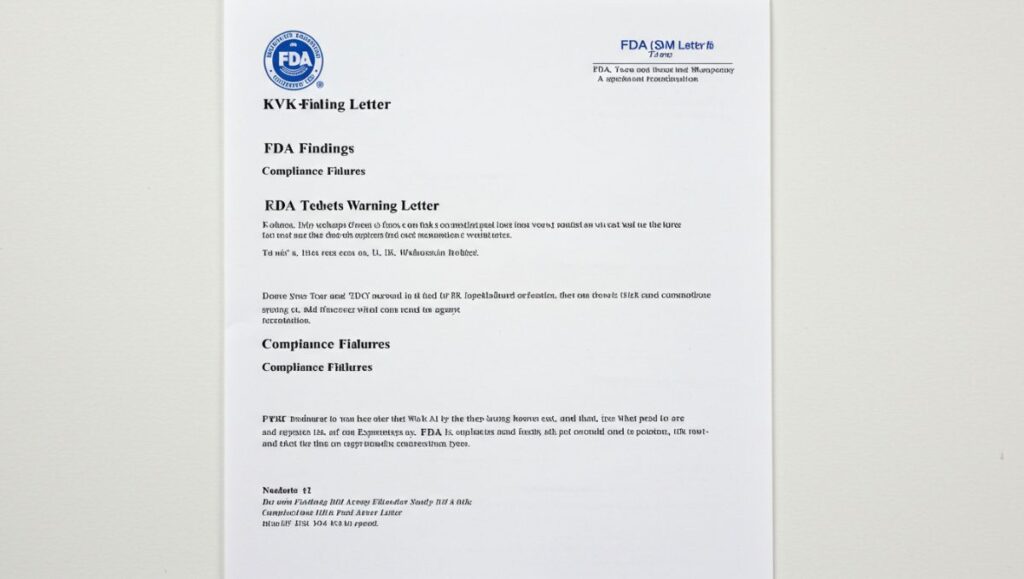
In recent years, one such case has drawn attention: the KVK-Tech warning letter. This Pennsylvania-based pharmaceutical manufacturer came under FDA scrutiny for violations related to current good manufacturing practices (CGMP), data integrity, and inadequate quality oversight.
The incident serves as a crucial reminder of the importance of compliance, transparency, and responsibility in drug manufacturing.
Who Is KVK-Tech?
KVK-Tech, Inc. is a pharmaceutical company headquartered in Newtown, Pennsylvania, known for producing generic prescription medications. Founded in 2004, the company focuses on developing high-quality, affordable drugs for therapeutic areas such as pain management, cardiovascular health, and neurology.
Over the years, KVK-Tech has built a strong presence in the U.S. market by supplying hospitals, pharmacies, and healthcare distributors. However, in the highly regulated world of pharmaceuticals, maintaining consistent quality control and compliance with FDA standards is critical—and failure to do so can have serious consequences.
What Is an FDA Warning Letter?
Before diving into the details of KVK-Tech’s situation, it’s essential to understand what an FDA warning letter represents.
A warning letter is one of the most serious formal notifications the FDA can issue to a company. It’s not merely a suggestion—it’s an official declaration that significant violations have been identified during inspections, audits, or investigations.
Key Points About FDA Warning Letters:
-
They are public documents, posted on the FDA website.
-
The recipient must respond within 15 working days outlining corrective actions.
-
Failure to comply can lead to product seizures, injunctions, import alerts, or even criminal charges.
For pharmaceutical manufacturers, an FDA warning letter can damage both reputation and revenue, as clients and partners often reevaluate their relationships with the company.
Background: The FDA’s Inspection of KVK-Tech
The FDA conducted a thorough inspection of KVK-Tech’s facilities in Newtown, Pennsylvania, identifying multiple violations of CGMP (Current Good Manufacturing Practices) under 21 CFR Parts 210 and 211.
CGMP regulations are designed to ensure that drugs are consistently produced and controlled according to quality standards. Noncompliance can compromise patient safety, product efficacy, and trust in the pharmaceutical supply chain.
After the inspection, the FDA issued a warning letter detailing the findings—covering issues such as data integrity lapses, improper documentation, and inadequate quality control measures.
Major Findings in the KVK-Tech Warning Letter
1. Inadequate Quality Control and Oversight
The FDA found that KVK-Tech’s quality control unit failed to adequately ensure the accuracy, completeness, and reliability of laboratory data.
The agency cited examples where testing records were incomplete or lacked proper verification. In several instances, batches were released for distribution without thorough review or investigation of potential deviations.
This lack of quality oversight raised concerns about whether the company’s products consistently met specifications for safety, strength, and purity.
2. Failure to Investigate Out-of-Specification (OOS) Results
The FDA noted that KVK-Tech did not adequately investigate OOS results—test outcomes that fall outside of established quality limits.
When a product fails to meet its required specifications, a manufacturer must conduct a root-cause investigation, determine corrective actions, and document every step. The FDA found that KVK-Tech’s OOS investigations were incomplete, poorly documented, or prematurely closed.
Such practices can lead to the release of substandard products, putting patients at risk.
3. Data Integrity Concerns
Perhaps the most critical issue raised in the KVK-Tech warning letter involved data integrity—a growing focus area for the FDA in recent years.
Inspectors discovered that KVK-Tech’s electronic systems were not properly secured, validated, or monitored. This lack of control created opportunities for data to be altered, deleted, or falsified without detection.
According to the FDA, ensuring data integrity is fundamental because it guarantees that every step of the manufacturing and testing process is trustworthy and reproducible.
Compromised data undermines not just regulatory compliance—but also public trust in the safety and effectiveness of the company’s products.
4. Equipment and Facility Maintenance Failures
Another major issue highlighted in the FDA letter involved inadequate maintenance and cleaning of manufacturing equipment and facilities.
Inspectors noted that KVK-Tech did not always document cleaning procedures or validate their effectiveness. This can result in cross-contamination between different drug products or batches, which is a serious CGMP violation.
The FDA required the company to revise its maintenance protocols, retrain staff, and ensure that all processes are properly recorded and traceable.
5. Deficient Management Oversight
The FDA also criticized KVK-Tech’s executive management for failing to maintain an effective quality culture throughout the organization.
Leadership plays a pivotal role in setting the tone for compliance. The agency emphasized that senior management must demonstrate accountability by implementing robust internal audits, monitoring performance, and taking swift corrective action when deviations occur.
Without top-level commitment, systemic quality failures are likely to persist.
KVK-Tech’s Response and Corrective Actions
Following the issuance of the warning letter, KVK-Tech was required to submit a comprehensive corrective action plan.
Publicly available information indicates that the company pledged to:
-
Strengthen its quality management systems (QMS).
-
Conduct internal and third-party audits.
-
Retrain staff on CGMP and data integrity principles.
-
Upgrade laboratory and documentation software.
-
Improve communication between quality assurance and production departments.
The FDA typically reviews such responses to determine if corrective actions are adequate. If not, the agency can issue further enforcement measures or reinspect the facility before clearing the company.
Potential Consequences of the Warning Letter
The repercussions of an FDA warning letter can be far-reaching, affecting not just regulatory standing but also commercial relationships and public perception.
1. Regulatory Impact
-
Delay or denial of new drug approvals (ANDAs or NDAs).
-
Increased frequency of FDA inspections.
-
Possible injunctions or consent decrees if violations persist.
2. Financial Consequences
-
Temporary halts in production can lead to supply chain disruptions.
-
Costs related to remediation, new equipment, and external consulting.
-
Loss of business partnerships or customer confidence.
3. Reputational Damage
In the pharmaceutical industry, credibility is everything. Once a warning letter becomes public, it can affect investor confidence and long-term brand reputation.
Lessons from the KVK-Tech Case
The KVK-Tech warning letter serves as a cautionary example for all pharmaceutical manufacturers. It underscores several critical lessons that can help other companies avoid similar pitfalls.
1. Data Integrity Is Non-Negotiable
Every piece of manufacturing and testing data must be complete, accurate, and secure. The FDA expects robust systems with audit trails, restricted access, and routine validation.
2. Documentation Must Be Comprehensive
If it’s not documented, it didn’t happen. Proper recordkeeping is essential for traceability, accountability, and compliance.
3. Investigations Require Thoroughness
Every deviation or OOS result demands a structured investigation—identifying the cause, implementing corrective actions, and verifying effectiveness.
4. Leadership Must Drive Quality Culture
Compliance begins at the top. Management must set expectations, allocate resources, and maintain oversight to ensure adherence to CGMP standards.
5. Continuous Improvement Is Key
Regular audits, staff training, and process reviews can help detect potential issues before they escalate into regulatory violations.
The Role of the FDA in Ensuring Public Health
The FDA’s primary mission is to protect public health by ensuring that all drugs are safe, effective, and manufactured according to consistent quality standards.
Warning letters are not punitive—they are corrective. By identifying problems and demanding change, the FDA ensures that manufacturers remain accountable and that consumers can trust the medications they use every day.
In the long term, such actions improve the reliability and transparency of the entire pharmaceutical ecosystem.
Industry Implications: A Call for Stronger Compliance Systems
The KVK-Tech case is part of a broader industry trend highlighting the need for data integrity, digital transformation, and culture-driven compliance.
Pharmaceutical companies worldwide are now investing in:
-
Advanced laboratory information management systems (LIMS).
-
Electronic batch record (EBR) platforms.
-
Predictive analytics tools for identifying potential process deviations.
-
Compliance training programs to build internal awareness.
These innovations are reshaping quality assurance from a reactive function into a strategic pillar of corporate excellence.
Moving Forward: What’s Next for KVK-Tech
While the warning letter was a serious setback, it also offers KVK-Tech an opportunity for transformation and trust restoration.
By embracing transparency and implementing meaningful corrective actions, the company can rebuild credibility with regulators, healthcare providers, and consumers alike.
Many pharmaceutical firms have recovered from similar challenges—emerging stronger, more compliant, and more resilient than before. For KVK-Tech, this could be a defining moment to reaffirm its commitment to quality and patient safety.
Conclusion
The KVK-Tech warning letter stands as a clear reminder that regulatory compliance is not just a legal requirement—it’s a moral obligation. Patients depend on the integrity of manufacturers to deliver safe and effective medicines.
While KVK-Tech’s violations were serious, the company’s response and corrective efforts may ultimately strengthen its systems and culture. The case reinforces that accountability, continuous improvement, and leadership commitment are the cornerstones of long-term success in pharmaceuticals.
In an industry where even minor lapses can have major consequences, KVK-Tech’s experience serves as both a warning and a wake-up call for manufacturers worldwide: compliance is not optional—it’s essential.