
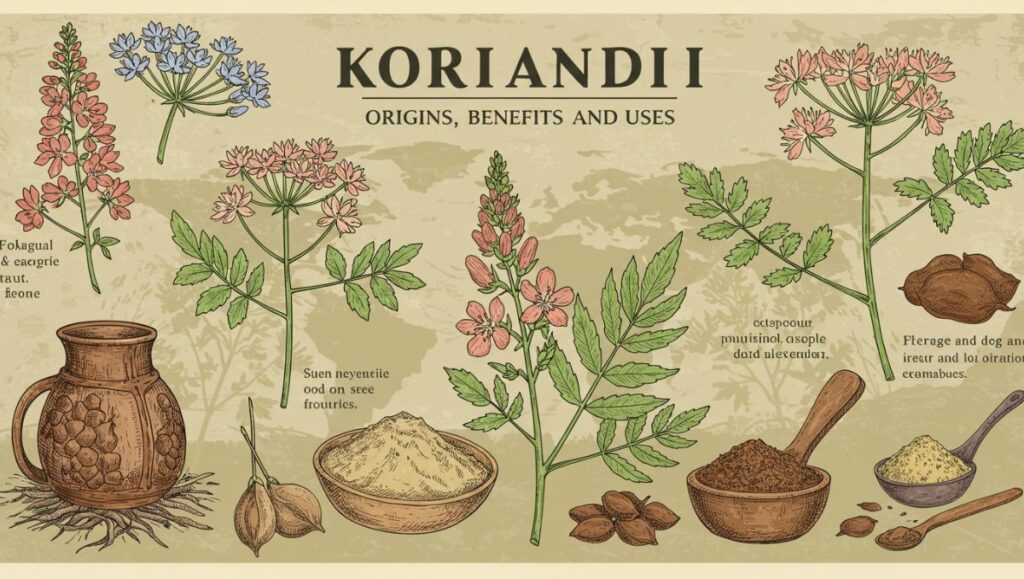
The word Koriandri often sparks curiosity due to its unique sound and diverse applications. While some recognize it as a variant of coriander, others link it to cultural traditions, culinary practices, and herbal medicine. This article explores the different aspects of Koriandri, shedding light on its history, benefits, and significance today.
What is Koriandri?
Koriandri is commonly associated with the spice coriander, a plant valued for both its leaves and seeds. Known scientifically as Coriandrum sativum, it has been cultivated for centuries across Asia, the Middle East, and Europe.
-
Leaves – Often called cilantro, widely used in fresh dishes.
-
Seeds – Dried and ground to create a warm, citrusy spice.
-
Roots – Utilized in certain cuisines for their strong, earthy flavor.
The term Koriandri highlights this plant’s global recognition, with variations in name appearing across languages and cultures.
Historical Origins of Koriandri
The use of Koriandri dates back thousands of years. Archaeological evidence suggests coriander seeds were found in ancient Egyptian tombs, symbolizing both culinary and medicinal importance.
-
Ancient Egypt: Used in food, rituals, and herbal remedies.
-
Greece and Rome: Incorporated in breads, wines, and health tonics.
-
Asia: Widely cultivated in India and China as a staple spice.
Its versatility ensured Koriandri spread across trade routes, becoming a key ingredient in global cuisines.
Culinary Uses of Koriandri
One of the most celebrated aspects of Koriandri is its flavor. It brings freshness, warmth, and complexity to dishes.
In Asian Cuisine
-
Fresh coriander leaves are used in curries, chutneys, and soups.
-
Seeds are toasted and ground to add depth to spice mixes.
In Middle Eastern Cuisine
-
Koriandri seeds enhance stews, bread, and spice blends like baharat.
-
Fresh leaves garnish salads and roasted meats.
In Western Cuisine
-
Ground coriander is used in sausages, baked goods, and marinades.
-
Leaves are becoming popular in modern fusion dishes.
Health Benefits of Koriandri
Beyond its culinary uses, Koriandri offers numerous health advantages.
1. Rich in Nutrients
It provides vitamins A, C, and K, along with essential minerals like potassium, calcium, and magnesium.
2. Digestive Aid
Traditionally, coriander seeds have been used to reduce bloating, improve digestion, and ease discomfort.
3. Anti-Inflammatory Properties
Studies suggest Koriandri contains compounds that help reduce inflammation and protect against chronic diseases.
4. Blood Sugar Support
Some research indicates coriander may help regulate blood sugar levels, making it beneficial for metabolic health.
5. Antioxidant Power
The seeds and leaves are rich in antioxidants, which protect cells from oxidative stress.
Cultural and Symbolic Role of Koriandri
Across different cultures, Kori-andri holds symbolic and ritualistic value.
-
In Ayurveda: Used to balance body energies and treat common ailments.
-
In Mediterranean Traditions: Symbolized love and passion, often included in ceremonial foods.
-
In Folk Medicine: Brewed into teas for relaxation and healing.
This cultural depth adds to its importance beyond the kitchen.
How to Use Koriandri at Home
Incorporating Kori-andri into daily meals is simple and rewarding.
-
Seeds: Lightly roast and grind before use for maximum flavor.
-
Leaves: Add fresh at the end of cooking to preserve aroma.
-
Powder: Keep in an airtight container to maintain freshness.
Popular recipes include coriander chutney, spiced lentil soups, and citrusy baked goods.
Modern Applications of Koriandri
Today, Kori-andri is more than just a spice—it’s part of global food trends and natural wellness.
-
Food Industry: Used in sauces, seasonings, and ready-to-eat meals.
-
Beverages: Infused in herbal teas and craft beers.
-
Cosmetics: Extracts used for natural skincare and essential oils.
-
Alternative Medicine: Employed in detox blends and herbal supplements.
Conclusion
The story of Koriandri is one of tradition, versatility, and enduring value. From ancient tombs to modern kitchens, it remains a bridge between cultures, offering both flavor and health benefits. Whether you enjoy it as a spice, a garnish, or a natural remedy, Kori-andri continues to prove why it has been cherished for centuries.