In Rancho Cucamonga, California, complex collision claims can be challenging and unpredictable, but understanding the key factors that influence outcomes is crucial for success. Effective handling of your claim requires timely reporting, accurate documentation, and a clear liability determination. Working with an experienced car accident lawyer can make a significant difference in navigating the intricacies of insurance policies and legal proceedings.
They help gather crucial evidence, manage negotiations, and ensure that your claim is supported by solid medical records and witness testimonies. With the right legal guidance, you can increase your chances of securing a favorable outcome and obtaining the compensation you deserve.
Accurate Documentation
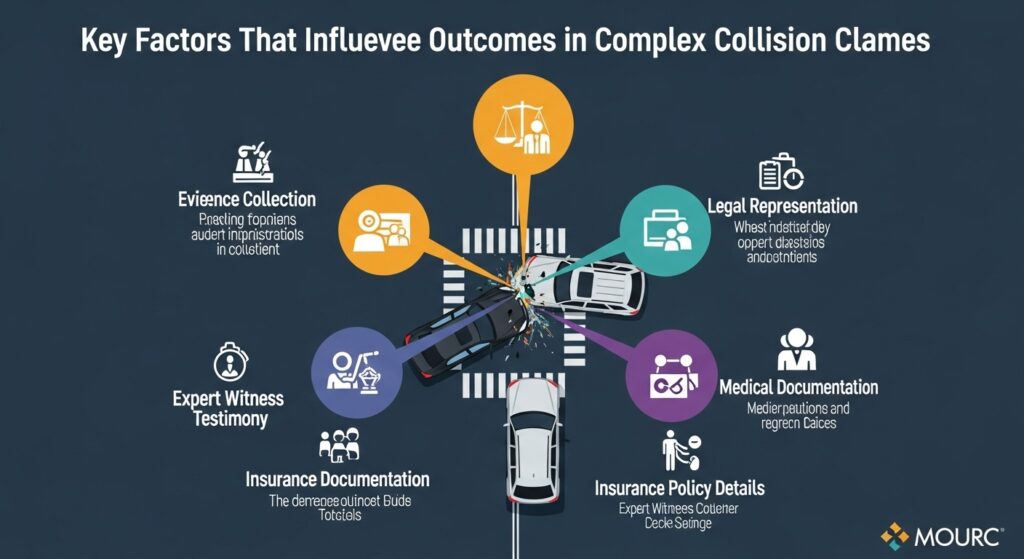
Gather evidence at every stage of the claim process. This can be photographs, repair estimates, police reports, medical information, etc. Evidence must be clear and well organized; it almost always is. By preventing the chance of misinterpretation, insurers are capable of treating incidents more accurately and addressing any dispute issues that arise. And even robust paperwork can swing acceptance versus denial.
Timely Reporting
Timely information regarding the incident should be communicated to relevant stakeholders to prevent friction. When someone reports an event immediately, memories are still fresh, and evidence is preserved. The timeliness of information is a key factor for both insurers and lawyers. These communication delays might make investigations more challenging or wipe out opportunities to assess them fairly.
Clear Liability Determination
In complicated cases, establishing fault is often not straightforward. It involves many people—conflicting stories abound—and, as is often true with incidents of violence, the details, the wheres and whys, are murky. Investigators review witness statements, scene diagrams, and supporting data before their analysis. Judging the data without bias and with an eye for detail is a part of the process. If you can establish responsibility early, the findings will help expedite settlement.
Quality of Legal Representation
Litigators are key to complicated claims. In other words, seasoned professionals are aware of the intricacies of insurance policies and traffic rules. They help claimants with every step of the process, from submitting the claim to resolving or even handling disagreements, thanks to their hindsight. Having access to the right legal support is critical, as this may be the line between good and bad results.
Insurance Policy Details
The wording of a policy can be critical to the outcome of a claim. The exceptions, limitations, and type of coverage define the contours within which compensation can be sought. People need to carefully review their insurance contracts to understand what rights they may have. Drafters may be disappointed during settlement negotiations if they overlook certain provisions or assume blanket coverage.
Medical Evidence and Injury Assessment
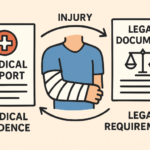
Medical records impact our ability to compensate for physical injury. The assessment takes into account factors such as reports from professionals, diagnostic tests, and long-term care needs. A complete medical history balances both short and long-term effects. Inadequate documentation may result in a lower payout for your claim or its complete denial.
Witness Testimonies
Statements from bystanders or involved parties clearly dispute the facts. They can approach the situation from a fresh perspective or provide straightforward confirmation of crucial information. Feasible accounts support the evidence in favor of the claim. For example, if witness statements contradict one another or if any of the testimonies seem unreliable, that could stretch special masters’ timelines for reaching a resolution and restore the need for an investigatory inquiry.
Accident Reconstruction
In particularly complicated incidents, they have reconstruction experts who examine how the events unfolded. Those professionals reconstruct the scene using physics, engineering, and available data. Their discoveries shed light on handling challenging queries relating to speed, impact, and causation. Third-party analysis is sometimes the most valuable piece of leverage in business negotiations or outside the courtroom.
Communication with Insurers
Honest dialogues among claimants and insurers lead to cooperation. If you have regular and accurate updates, disclose bad news honestly, and respond to inquiries in real-time (or as close to it as you can), that helps avoid confusing circumstances, which preserves trust. Poor communication often slows down the effort or causes misunderstandings. Regular meetings keep everyone informed and maintain the group’s commitment to finding a solution.
Negotiation Skills
Negotiations or discussions on settlement require a little bit of finesse and expertise. Good negotiators know the facts about a case, but they also know it emotionally! Impressive negotiators respect the position of the other party and persist. Negotiation is often quicker and more fulfilling for all parties involved.
Conclusion
This complicates collision claims, as there are many moving parts. Each element, from documentation to negotiation, uniquely contributes to the outcome. The more involved and aware you are at each step of the process, the greater the chance of a positive result. Preparation, focus, and clear communication all help those who go through these changes.