
Every parent holds the same universal hope for their newborn: a future filled with health, happiness, and limitless potential. When a birth injury disrupts this dream, the emotional weight can feel immense. The path forward can seem uncertain, filled with medical terms and worries about what comes next.
This is a challenging reality for far too many families. According to the study Head Injury during Childbirth, birth injuries occur in 6-7 per 1,000 live births, affecting approximately 30,000 babies annually in the US. These statistics highlight a sobering reality for thousands of families each year. The journey to recovery often involves long-term, specialized care. When a birth injury is suspected to have been preventable or resulted from a medical error, navigating the path to secure the necessary resources for these essential therapies can feel overwhelming.
Fortunately, there is a powerful and effective path forward. Play-based therapy offers a beacon of hope, transforming essential medical interventions into joyful, engaging experiences. This guide will walk you through what infant therapy is, what it looks like, and how it helps babies build a strong foundation for a thriving future.
Key Takeaways
- Birth injuries affect thousands of infants annually, often leading to developmental challenges that require specialized intervention.
- Infant physical therapy, occupational therapy, and speech-language pathology use purposeful play to help babies build strength, improve motor skills, enhance cognitive function, and develop communication abilities.
- Play-based techniques transform essential medical intervention into engaging activities, fostering development in a way natural to infants.
- Active family participation and early intervention are crucial for maximizing positive outcomes for both the child and the family unit.
What are We Talking About? Common Birth-Related Hurdles
It’s important to understand the terms you may hear from medical professionals. A “birth injury” refers to physical harm an infant sustains during labor or delivery, while “birth trauma” can encompass the broader physical and psychological impacts on both the baby and the family.
These are medical conditions that require professional intervention; they are never a reflection of a parent’s actions or abilities. The severity of these events cannot be overstated. Tragically, birth injuries account for 20% of all infant deaths in the United States, making them the fourth leading cause of infant mortality. Early and effective therapy is critical for mitigating long-term effects.
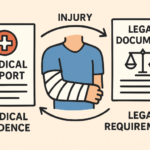
When these complications lead to lasting medical concerns, families often find themselves searching for answers while juggling care, finances, and emotional recovery. A trusted birth malpractice lawyer can help families make sense of what happened by reviewing medical procedures, identifying potential errors, and explaining their options in plain language. Having someone who understands both the legal and medical sides can make the process less intimidating and help families focus on their child’s ongoing care and stability.
Some common conditions that benefit from infant therapy include:
- Hypoxic-Ischemic Encephalopathy (HIE): Brain injury caused by oxygen deprivation.
- Brachial Plexus Injuries (e.g., Erb’s Palsy): Nerve damage affecting the shoulder, arm, and hand.
- Cerebral Palsy: A group of disorders affecting movement, muscle tone, and posture.
- Torticollis and Plagiocephaly: Torticollis is the tightening of neck muscles causing the head to tilt, which can lead to Plagiocephaly, or “flat head syndrome.”
- General developmental delays: Slower progress in reaching milestones linked to a traumatic birth.
More Than One Kind of Helper: Your Child’s Therapeutic Team
Your child’s journey is a team effort. Several types of therapists often work together, each bringing a unique focus to support your child’s holistic development. While their specific goals may differ, they all share the ultimate aim of helping your baby thrive.
Here is a breakdown of the key players on your child’s therapeutic team:
| Therapist Type | Primary Focus | Key Areas of Intervention |
|---|---|---|
| Physical Therapist (PT) | Gross motor skills, strength, balance, mobility. | Rolling, sitting, crawling, walking, head control, core strength. |
| Occupational Therapist (OT) | Fine motor skills, sensory processing, daily activities, cognitive skills. | Grasping, reaching, self-feeding, sensory regulation, exploring environment, visual-motor skills. |
| Speech-Language Pathologist (SLP) | Communication (verbal/non-verbal), feeding, swallowing, oral motor skills. | Pre-verbal sounds, gestures, babbling, feeding difficulties, suck/swallow coordination. |
The Science of Play: How Fun Becomes Functional in Infant Therapy
When parents hear “play therapy,” they might picture a child acting out feelings with dolls. For infants, the concept is fundamentally different. Infant play-based therapy is purposeful play, where every activity is a carefully designed medical intervention disguised as fun. It’s not “just playing”; it’s a structured approach that uses an infant’s natural curiosity to achieve specific developmental goals.
The core principle is simple: play is an infant’s first language. It’s how they learn, explore, and interact with the world around them. Instead of forcing repetitive, clinical exercises, therapists leverage this natural instinct. They create an environment where the baby is motivated to move, reach, and communicate.
By observing how a baby naturally plays, a therapist can identify strengths and areas needing support. They then integrate specific interventions into those activities, helping to build new neural pathways, strengthen muscles, and improve coordination—all through positive, engaging experiences.
What Does Play Therapy Actually Look like? Techniques and Activities
So, how does a therapist turn a simple game into a powerful therapeutic tool? The magic lies in targeting specific goals through engaging activities that your baby will love. Here are a few concrete examples of what you might see in a session.
Goal: Building Neck and Core Strength
Technique Example: Guided “tummy time” is a cornerstone of infant development. A therapist makes it engaging by using colorful, high-contrast toys, a mirror to capture the baby’s attention, or singing songs to encourage head lifting and turning.
Explanation: This activity strengthens the anti-gravity muscles in the neck, shoulders, and back, which are essential for future milestones like rolling, sitting up, and crawling.
Goal: Improving Reaching and Grasping
Technique Example: A therapist might place an interesting toy with a unique texture or a gentle sound just beyond the baby’s easy reach. This encourages the infant to extend their arm, track the object with their eyes, and work on coordinating the movements needed to grasp it.
Explanation: This develops crucial fine motor control, hand-eye coordination, and an early understanding of cause and effect.
Goal: Enhancing Sensory Processing
Technique Example: Activities might include gentle swinging in a therapy swing for vestibular input (balance), exploring different textures like soft fabrics or bumpy balls for tactile learning, or applying gentle joint compressions to increase body awareness.
Explanation: These techniques help an infant’s brain learn to process sensory information more effectively. This can lead to better self-regulation, reduced irritability, and more confident interaction with their environment.
Goal: Developing Body Awareness
Technique Example: Therapists often use songs with hand motions like “Head, Shoulders, Knees, and Toes” or perform gentle massage. They may also carefully assist the baby’s limbs through their full range of motion.
Explanation: These activities help the infant create a “map” of their own body in their brain, understanding where their arms and legs are in space. This is a critical foundation for all coordinated movement.
Goal: Facilitating Pre-Verbal Communication
Technique Example: An SLP might playfully imitate an infant’s babbles and coos, use simple gestures along with words, engage in games of peek-a-boo, or read board books with expressive sounds and tones.
Explanation: This “serve and return” interaction encourages reciprocal communication, sound imitation, and turn-taking, all of which are the building blocks for future speech and language.
The Ripple Effect: Positive Outcomes Beyond Milestones
The benefits of infant play therapy extend far beyond just reaching physical milestones. This approach creates a positive ripple effect that supports the child’s overall development and strengthens the entire family unit.
Benefits for the Infant:
- Improved gross and fine motor skills, leading to greater independence in movement and exploration.
- Enhanced cognitive development, problem-solving abilities, and curiosity.
- Better sensory regulation and the development of self-soothing capabilities.
- Increased confidence and motivation to engage with their environment.
- Improved communication skills, both verbal and non-verbal.
Benefits for the Family:
- Empowers parents with practical, actionable strategies to support their child’s development during everyday routines at home.
- Strengthens the parent-child bond through positive, guided, and joyful interactions.
- Reduces caregiver anxiety by providing a clear therapeutic plan, visible progress, and professional support.
- Addresses the wider emotional and psychological impact of birth trauma on the family unit, helping them cope and adapt.
- Fosters a sense of hope, community, and proactive control for families navigating a difficult journey.
A Hopeful Path Forward Through Play
Play-based therapy is more than just a medical strategy; it is a philosophy of care. It recognizes that for an infant, learning and healing happen best in an environment of joy, connection, and motivation. With the guidance of dedicated therapists and the active involvement of a loving family, babies can make remarkable progress.
If you have concerns about your child’s development or suspect they may be affected by a birth injury, trust your instincts. The first and most important step is to speak with your pediatrician or a pediatric specialist to request an evaluation.
Remember, you are your child’s greatest advocate. With the right support team and a therapeutic approach rooted in the power of play, infants facing even the most significant birth-related challenges can build strength, overcome obstacles, and thrive.