What Are Virtual Classrooms?
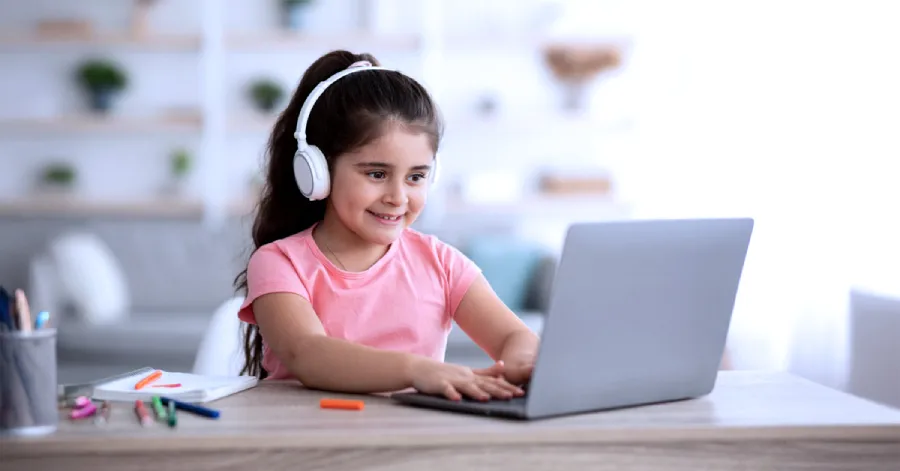
Virtual classrooms are digital environments where teachers and students connect through technology, replacing the traditional brick-and-mortar classroom space. These platforms support real-time learning via video, interactive chat, and collaborative whiteboards, while also enabling asynchronous access to lessons and resources at any time. The significant rise in virtual learning was particularly evident during the pandemic, when many families turned to digital options like Louisiana schools that offer online programs. This shift opened opportunities for students to access high-quality education regardless of location or circumstance.
The transition to virtual classrooms continues to reshape how instruction is delivered, how students engage, and how schools support learning outcomes. By shifting classroom interaction into the digital space, educators can bring together diverse groups of learners who may never have had the chance to interact otherwise. Digital classrooms accommodate different schedules, removing geographic barriers and giving families the flexibility to select programs that meet their children’s unique needs. As platforms mature and expand, online schools provide models for effective digital learning throughout the nation, ensuring access for diverse groups of learners. Some virtual classrooms also enable specialized teacher support for students who need additional guidance, which was often more challenging to coordinate in physical classrooms.
Benefits of Digital Learning
Digital classrooms pack a wide range of advantages for both students and educators. Adaptability stands out; coursework and activities can be personalized based on individual progress, interests, or learning styles. Interactive resources such as live polls, games, and simulation labs can turn standard lessons into dynamic, hands-on experiences. Students have the freedom to rewatch recorded lessons and revisit material at their own pace, which supports self-guided study and mastery of complex topics. In traditional classrooms, students may struggle to keep up or need extra time for review; digital platforms address this gap by allowing repeated exposure to essential material. Beyond flexibility, online learning increases access to specialized courses, from advanced placement classes to career-focused programs, that may not be available in every traditional school. Schools can also integrate guest speakers and resources from across the globe, exposing students to broader perspectives and unique educational opportunities. Teachers can harness analytical tools to assess learning outcomes in real time, giving students quicker feedback and allowing for prompt intervention where needed. Virtual learning allows more students to pursue enrichment opportunities and accelerates pathways to college and beyond.
Addressing Common Misconceptions
Despite the growing acceptance of virtual classrooms, misunderstandings persist. One frequently mentioned concern is the potential for social isolation. In reality, modern virtual schools build social interaction into their frameworks. Students connect through live classes, group projects, online clubs, and discussion forums, fostering a sense of belonging and community. Many programs host virtual social events, talent shows, and clubs centered around special interests so students can make friends in structured, supervised settings. Studies indicate that many families discover their children develop valuable collaboration and communication skills online, even comparing favorably with traditional school environments when engagement strategies are intentional.
Another misconception is that virtual education is less rigorous. However, many virtual programs are held to the same academic standards as traditional schools, often leveraging robust online assessments and data-driven progress tracking. Well-designed curricula, state-certified teachers, and regular feedback mechanisms all help ensure academic quality and accountability. Online classes usually meet state requirements for instructional time, and students who need extra help can access tutoring or personalized support far more flexibly than before. The effective use of analytics ensures that no student falls through the cracks unnoticed.
Technology and Accessibility
The foundation of a successful virtual classroom experience lies in technology access. Students need reliable devices like laptops or tablets and high-speed internet. Efforts from districts, state agencies, and private partners are helping bridge the digital divide by providing devices and affordable connectivity for families across regions. In some communities, partnerships with tech companies or local organizations have played an essential role in ensuring every student receives a device and, if necessary, subsidized internet. Accessibility is another focal point: best-in-class virtual classrooms include features like closed captioning, screen readers, and language translation to serve students with disabilities and English learners.
School support teams also play a role in troubleshooting technical issues and ensuring ongoing access. Virtual “help desks” or dedicated IT staff can resolve hardware or software challenges so students can focus on learning. As more students engage in online learning pathways, equity in technology access remains an active priority within education policy and local community initiatives. Digital literacy skills have quickly become an integral part of curricula, teaching students not just subject matter, but how to navigate and succeed in a tech-driven world.
Student Experience in Online Schools
The rhythm of daily life for students in virtual settings often looks different from that of their peers in physical classrooms. Online students become independent learners, building self-motivation, discipline, and digital literacy skills. A flexible schedule means students can attend live classes, collaborate with classmates, and manage independent projects according to their own routines. This adaptability is especially helpful for those balancing academics with extracurricular interests, part-time jobs, or family commitments. Some students find they can advance more quickly in subjects where they excel, while others can spend extra time mastering challenging concepts.
Social connections flourish in well-designed online programs, where group work, virtual field trips, and student clubs enhance community and foster friendships. Teachers regularly organize breakout sessions during lessons to facilitate small group collaboration. Families often report increased involvement in their children’s education, supporting learning activities and celebrating milestones alongside educators and counselors. This ongoing family engagement helps students stay motivated and builds strong support networks essential for long-term success.
Supporting Families and Educators
Family involvement plays a crucial role in virtual education, especially in elementary grades. Many virtual schools equip parents and guardians with detailed guides, regular communications, and supportive learning resources, helping them better guide their children’s online learning journeys. Families benefit from workshops and webinars and gain direct access to teachers, support staff, and peer communities. The shared responsibility between school and home is vital for ensuring students are engaged and thriving in their online learning environments.
Teachers and counselors are also adapting, benefiting from ongoing professional development focused on best practices in virtual pedagogy, technology integration, and student engagement strategies. They learn to leverage digital classroom management tools, interactive apps, and ongoing assessment techniques to better reach students. Professional learning communities provide educators with spaces to share resources and problem-solve in real time, ensuring all students receive timely feedback and support. Continuous innovation in instructional strategies means that teachers are better equipped to handle the unique challenges of virtual classrooms and serve their students well.
Current Trends and Future Outlook
Virtual K-12 education innovation is advancing rapidly, with new tools shaping how students experiment and explore. Interactive labs for STEM education, AI-powered personalized tutoring, and digital portfolios are some of the technologies transforming lesson delivery and assessment. The emergence of virtual reality simulations allows students to participate in immersive learning experiences—from visiting historical landmarks to performing scientific experiments. Blended learning models—combining in-person and virtual elements—are gaining traction, offering families flexible options and empowering schools to rethink instructional time and space.
Meanwhile, education leaders and policymakers are discussing equitable funding, digital security, and scalable support systems as integral parts of the ongoing expansion of virtual programs. According to The Atlantic, these conversations will influence how schools balance innovation with the need to serve all students effectively. As more families express interest in online learning, instructional design will likely continue to evolve, aiming to provide rich, inclusive, and adaptive experiences for every learner. Looking ahead, virtual classrooms are likely to remain a foundational option, giving students and families meaningful choices that fit their evolving needs.
Conclusion
Virtual classrooms are revolutionizing modern K-12 education, providing flexible, engaging, and inclusive learning experiences tailored to a diverse population. As technology and teaching practices continue to evolve, digital education will remain an essential part of the academic landscape, ensuring students everywhere can thrive. As schools, educators, and families embrace these changes, the virtual classroom will continue to pave the way for accessible and equitable education in the years to come.