Every day, millions tend to anxiety in their daily tasks, thinking, and interactions with the world. Many people become curious as to where to find peaceful, clear, and emotionally stable guidance for finding resources to help with mental health issues. It is during this point of search that we start to see the phrasing of how to treat anxiety become more common as people start to try to find more accurate and reliable information..
The emotional suffering also increases if the individual suffering feels that others around them do not understand the condition of anxiety, and they feel that they are all alone. It can be very overwhelming to try to live with anxiety alone, and that is why the search for offered steps is so critical. Often, people are very eager to try and find solutions so that they can feel that they are improving their emotional and overall well-being. Commonly, emotional suffering will increase if a person feels as if they are all alone or if others do not understand what anxiety is and the condition that they are going through.
Out of all people, this is where support can be reached first. By using more strategies that help people build stability in their lives, we can help them overcome anxiety more easily. By using a combination of lifestyle shifts with emotional support and grounding skills, we can help them control and restore balance in their mind and lives more easily. By using a combination of the aforementioned, people can regain their control and confidence.
Delving into the Meaning of Anxiety
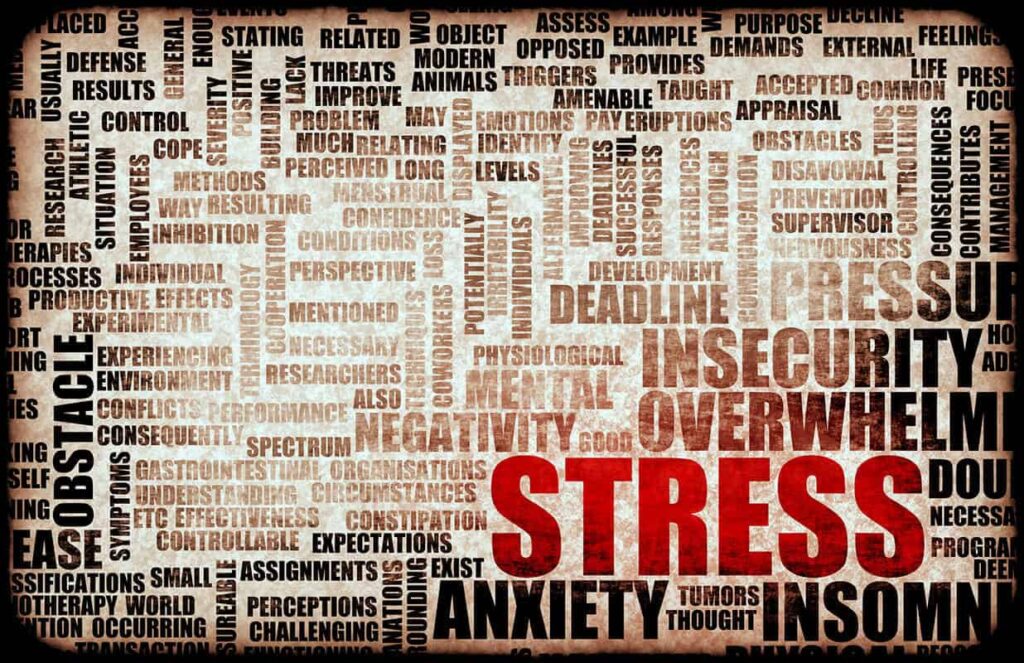
Understanding the meaning of anxiety helps to explore treatment options later. Anxiety means more than just the occasional worry. Greater manifestations include the persistent racing of thoughts, the fear of doing any or all activities in one’s day, as well as the physical ramifications in the form of tension. These are all things that are ultimately disruptive to one’s daily life. Anxiety varies in its manifestations: in some people, it shows up in the form of tightening in the torso, while others are simply fidgety. It can also be sudden and come out of nowhere, when you could also be just doing completely ordinary daily activities.
The emotional nuances of this disorder are all things that may leave difficulties, as well as require a lot of investigative work. This can be in the form of wondering or learning, which a person can do in order to get to know the inner workings of the body and mind. With this knowledge, a person may get to know their anxiety triggers, which may include work, relationships, traumatic life events, and, of course, major life changes. There are also triggers to anxiety, which may not be all that major or obvious. These can include a lack of sleep or too much sugar and/or caffeine.
For the above reasons, and the condition having multiple different origins, it is perfectly reasonable to start searching for instructions on how to treat anxiety in a more individualized, sustainable way. Strategies that are efficient, and can assist in getting more control over anxiety do not always work the same for everyone. However, knowing that there are valid options and different approaches available helps to build a toolset full of healthy coping mechanisms.
Importance of Addressing Anxiety for Future Health
Anxiety isn’t just about feelings. Chronic anxiety can impact your physical health, your energy, and your ability to make decisions. But it can become even worse over time. Chronic anxiety can lead to things like exhaustion, digestive problems, headaches, and burnout. Having anxiety can also make it hard to focus, think clearly, and build close relationships.
If anxiety is managed early on, it can prevent these problems from getting worse. Having the ability to calm your mind can help you feel more in control of your daily life. Instead of feeling fear and worry, you can stay calm and centered with the anxiety. Having these skills can make you more confident and help you make better choices for your health.
Being able to find these skills can help people feel happy again. Anxiety can block the mind from feeling happy and calm. When someone has anxiety, they can lose interest in things, and it can impact close relationships. But when the feelings of anxiety decrease, they can feel joy again and do things they used to love.
Learning how to treat anxiety Through Mind and Body Techniques
To start, many people try to understand how both the mind and body work together. The body often feels the effects of anxiety long before the mind understands what is going on. Stress is signaled to the brain from the body if there is muscle tightness, a fast heart rate, and quick and shallow breaths. This is why mind and body techniques can be very useful in treating symptoms of anxiety.
One of the best techniques to use is the calming breath exercise. This is when the breath is slowed and is purposeful. It is the best way to help the body calm down and send calm signals to the mind. It is also helpful in sending the nervous system out of the fight or flight mode. Techniques of calm breathing can be great in lowering anxiety in the moment.
Another good technique to use is mindfulness. Mindfulness is helpful in teaching people to concentrate on what is going on right now. This is good in getting people to stop thinking and worrying about what might happen in the future. Mindfulness helps people stop and think. It helps them release their thoughts and stop panic. It helps their mind from getting out of control and helps people from getting overwhelmed.
Muscle relaxation practices help treat anxiety symptoms. They help by letting go of the tension that is stored in the body. This technique helps improve the comfort in the body and also helps to bring down the stress levels.
Moving our bodies to rethink our problems helps calm our anxiety. Stretching, walking, or doing some yoga fully helps our bodies come to rest. Any sort of movement helps calm our bodies by releasing endorphins. Spending even a little time doing something active will alter our emotional state to a more positive one.
Little activities to help our bodies calm down, like the ones mentioned above, become very powerful tools when someone is looking for a more effective way to manage their own anxiety and how to treat anxiety.
Lifestyle Choices That Support Emotional Relief
Daily routines and habits have a great impact on the presence of anxiety in our lives. Adopting new and healthy routines increases people`s ability to remain calm and grounded. There is one healthy habit that plays a more important role. When the body is sleep deprived, tension and stress levels in the body increase, making sleep a very important way to manage anxiety. Improving your sleep hygiene can help.
Food intake also plays a role in emotional well-being. High sugar and caffeine can worsen anxiety symptoms, and eating balanced meals can help to stabilize energy and calm their mood. Drinking water and staying hydrated help the body in many ways, including supporting stress response.
Managing stress overload is also very important. Notifications, messages, and even the news can keep the brain in a state of alertness, and reducing screen time helps improve mental clarity.
How Emotional Awareness Supports Relief from Anxiety
Emotional awareness supports the effective management of anxiety triggers and the unique response to that anxiety. Also, it is the ability to see the early signs of anxiety, and in that way be proactive enough to quickly apply, before it starts to escalate, any of the following: a grounding technique, a short walk, or a focused relaxation.
Emotional awareness can be supported through journaling. Emotional and mental processing of thoughts helps the individual be clear about what they really feel, and is the only way to rise to the level of meta-cognition or to see feelings, thoughts, and reactions to know the longest-running and strongest patterns. Gradually, the journal supports the cognition of self-regulation and emotional control.
Emotional awareness is also supported by sharing and talking about one’s feelings with someone trusted, whether that be a friend or a family member. Speaking helps the individual feel more supported and feel sympathy from the other party. Isolation is often a source of anxiety, and by talking to someone supportive, the person no longer feels isolated.
Emotional awareness helps the person meet the difficult challenges of the moment, and provides a core level of insight to help the individual shift frustration in the process of learning to treat anxiety.
Exploring how to treat anxiety With Professional Support
Multiple therapists have specialized techniques designed to combat anxiety that go beyond lifestyle changes and coping strategies. Anxiety therapists help clarify the relationship between anxiety and emotions and help formulate strategies that give the individual more control over their anxiety.
These therapists focus on one of the more common and effective techniques that involves modifying cognitive and emotional patterns. Anxiety, fear, and self-doubt can easily be compounded with more anxiety, so therapy is designed to counteract that self-reinforcing cycle with healthier coping tools and patterns.
By helping to process and heal anxiety-inducing trauma, trauma-informed therapy can help individuals function better with normal stress. Unresolved trauma often clouds how one functions with non-traumatic stressors, and helping individuals process the trauma in a safe environment can help relieve the emotional energy that drives the trauma.
The less common therapy focuses on groups. While other therapeutic techniques help on an individual basis, sometimes people simply need one other person to share with and get support from to help in their healing process. In these situations, hearing other people’s stories of their similar struggles and healing can be beneficial in many ways. It can reduce a complex of isolation, enhance the healing support, foster camaraderie, and lead to a profound sense of connection and loss of shame.
When unmanaged anxiety interferes with a person’s day-to-day activities, using a prescription medication is a consideration. In conjunction with other forms of treatment, medications help control intense emotions, and, along with controlling severe symptoms, can help an individual obtain a greater emotional equilibrium. In fact, for some, the positive effects are even greater when medications are used in conjunction with psychotherapy.
Having a prescription is valuable for these patients because it can relieve anxiety symptoms while they learn from their therapist valuable, effective, and consistent skills to manage anxiety.
Building Emotional Resilience
While it is valuable to learn how to control anxiety in the moment, to an emotionally free state of being, it is essential to learn how to build emotional resilience. Emotional resilience is learned through controlled, compassionate, intentional, and consistent practice. Instead of being anxious, a person becomes calm. Emotional self-care is necessary and includes getting adequate and restful sleep, taking scheduled breaks, and ensuring that relationships are positive and supportive.
Recognizing and responding to personal needs is also a component of emotional resilience. Everyone is unique and can vary in their emotional and physical responsiveness to stressors and events. In order to protect your emotional state, it is healthier to set appropriate personal boundaries and honor your needs.
When emotional resilience is present, internal growth continues even when difficult situations arise. When faced with anxiety, a person can become confident and emotionally strong in knowing that they have plans that will help right the emotional balance.
Daily Habits That Teach You How to Treat Anxiety Naturally
Small daily habits can change the way anxiety influences someone’s life. A soothing morning routine helps calm and prepare you for the day. Stretching, sitting quietly for a moment, and drinking a glass of water before checking your phone can calm your morning before a busy day.
Remember to take mindful breaks throughout the day to relieve tension. Even just a few minutes outside or doing a short breathing exercise can help shift your mind to a calmer state. Being in nature reduces worries and helps you think clearly.
Bedtime routines help signal the body that it is time to relax and prepare for a good night’s sleep. Lowering the lights, avoiding screens, and doing some deep breathing can help your body make memories that support your emotional wellness.
Focusing on gratitude is one way to practice positive thinking, which can be hard to do when you’re feeling anxious. Writing down little things that you appreciate shifts your focus away from fear and stress.
These daily habits are ways to build emotional support while you learn how to treat anxiety in gentle, sustainable ways.
Final Thoughts
Ever-evolving symptoms of anxiety may make the discomfort feel unthinkable, but change is attainable when effective coping techniques are utilized. Many forms of coping are possible, ranging from lifestyle changes, emotional manipulation, grounding/presence techniques, daily practices conducive to calm, to therapy. In time, all of these facilitate anxiety relief. The ability to manage anxiety to some degree creates hope and resilience. And to cope with anxiety at a deeper level, emotional turbulence, and mental overload is normal. Lonestar Mental Health Services is dedicated to providing long-term, sustainable mental wellness and relief.