
Windows are a vital element of any home, ensuring comfort, light, and energy efficiency. Yet even the highest-quality windows can experience issues over time, most notably with their seals. A broken window seal can quickly undermine both the performance and appearance of your windows, making it crucial for homeowners to know how to spot seal failure early. Understanding the signs of window seal failure is essential for protecting your investment and keeping your living spaces comfortable.
Failed window seals don’t just affect insulation—they can drive up utility bills, cause interior moisture problems, and even shorten the lifespan of your windows. Knowing what to look for and adopting proactive maintenance can help you prevent minor problems from turning into costly repairs.
It’s important to recognize that most window seals inevitably break down as they age, but many failures are preventable. When you recognize the warning signs early, you can act quickly to repair or replace components before broader home damage occurs. The health of your window seals affects your home’s overall energy performance and helps keep drafts, moisture, and excess heat at bay.
To keep your home running efficiently, homeowners should also familiarize themselves with the causes behind seal deterioration and the actions that can prolong their window’s lifespan.
Signs of Window Seal Failure
Understanding how to spot failing window seals early is vital to prevent costly energy loss and interior damage. Watch for the following signs that your window seals may be compromised:
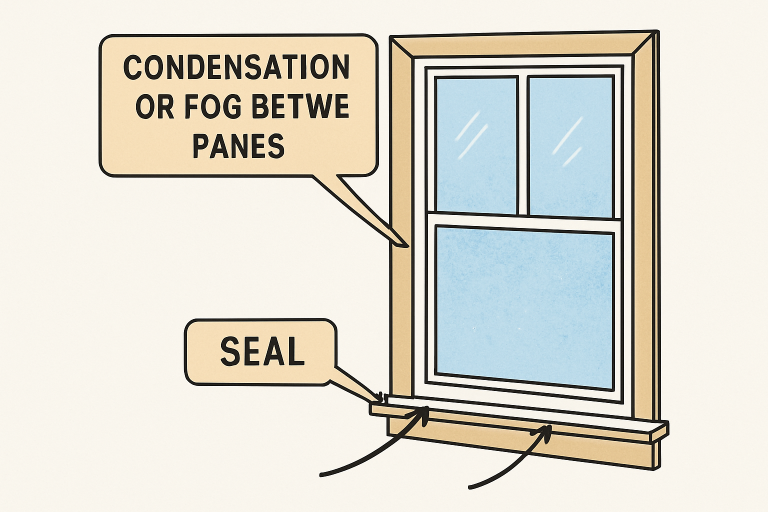
- Condensation Between Panes: One of the most apparent signs of seal failure is moisture or fog trapped between panes of glass. This indicates humid air is leaking in, and the insulating gas that boosts thermal performance has escaped.
- Drafts Around the Window Frame: If you feel cold air filtering in around a closed window, the seal may be failing. Drafts force your HVAC system to work harder, lowering home comfort and hiking energy costs.
- Difficulty Operating Windows: Windows that suddenly become hard to open or close might be experiencing frame swelling or warping—all common side effects of moisture infiltration following seal breakdown.
- Visible Damage to Seals: Inspect the seals around your windows. Cracks, brittleness, or visibly missing sections almost always signal deteriorating seals, which can no longer protect your home from the elements.
- Increased Energy Bills: A noticeable jump in your heating or cooling bills without an obvious cause could be linked to window seal problems that let conditioned air leak out.
Causes of Seal Deterioration
Knowing what causes window seals to fail can help you avoid unnecessary deterioration and extend the life of your windows:
- Age and Wear: All window seals gradually deteriorate over time due to exposure to sunlight, humidity, and daily wear and tear.
- Temperature Fluctuations: Sudden or seasonal changes cause window materials to expand and contract. Over the years, these cycles can crack or weaken seals.
- Poor Installation: Improper installation often leads to premature seal failure. Properly set windows minimize movement that puts stress on the seals.
- Physical Damage: Accidental impacts or the use of high-pressure washing equipment can nick or dislodge seals, making them more prone to breakdown.
Outdoor elements such as wind-blown debris or excessive sun exposure tend to exacerbate these risks. For additional details about window performance and maintenance, the U.S. Department of Energy provides excellent resources for homeowners. Conducting regular inspections can help you detect early indicators, such as fogging between glass panes or air leaks around the frame. Tackling these minor problems early helps avoid expensive repairs and ensures your windows remain energy-efficient over time.
Preventive Measures
Taking proactive steps significantly reduces the chance of window seal failure and preserves home comfort. According to The Spruce, even with regular care, understanding when to repair or replace damaged seals can make a big difference in maintaining energy efficiency and preventing costly damage down the line.
- Regular Maintenance: Clean the glass and seals every few months to remove dust and debris. Neglect accelerates the breakdown of flexible seal materials over time.
- Control Humidity Levels: Keeping your indoor humidity between 30-50% eases stress on seals. If your home tends to be humid, use a dehumidifier, especially during wet seasons.
- Proper Installation: Always hire trained professionals to install or replace windows. Quality workmanship prevents many early failures caused by misalignment and poor sealing.
- Avoid High-Pressure Cleaning: Refrain from using power washers or abrasive tools, as they can damage seals or even the frame.
Establishing an annual window inspection schedule gives you an opportunity to spot issues before they become larger problems. If you ever spot minor issues, sealant touch-ups or caulking may suffice as a quick fix.
When to Seek Professional Help
While homeowners can temporarily address many minor seal issues, extensive condensation, increased drafts, or persistent trouble with window function are all strong reasons to call in professionals. Licensed experts can determine whether your issues can be resolved by resealing, replacing the insulated glass unit (IGU), or by a full window replacement.
Timely professional assessment also ensures ongoing energy savings and prevents potential moisture damage to adjacent walls and flooring. Restoration not only restores window performance but can also improve curb appeal and home value.
Staying proactive with your window maintenance and knowing when to rely on skilled technicians will protect your investment, minimize repair expenses, and keep your home comfortable year-round.