Understanding THCA and Its Benefits
THCA, or tetrahydrocannabinolic acid, is a naturally occurring, non-psychoactive cannabinoid found in the raw cannabis plant. Unlike THC, THCA does not produce intoxicating effects unless it is decarboxylated—exposed to heat—when it then converts into psychoactive THC. This subtle difference is crucial for those who seek to enjoy the benefits of cannabis without experiencing the “high” usually associated with marijuana. For those interested in potent yet compliant cannabis options, choosing quality THCA flower is essential for both safety and effectiveness, explore more THCA Flower here.
High-quality THCA flower offers a unique experience, combining a potent cannabinoid profile with robust terpene flavors. For many consumers, the appeal lies not only in the potency but also in these flowers’ purity and legal status. Premium THCA flower is usually grown in carefully monitored environments that enhance its cannabinoid and terpene composition, ensuring better taste, aroma, and effects. Correctly sourced and expertly cultivated THCA flower can provide potent relief, relaxation, and well-being, all while keeping you compliant with local regulations. These flowers can offer medicinal users anti-inflammatory, neuroprotective, and antiemetic benefits.
As consumer demand for THCA flower increases, so does the variety, availability, and marketing of products. However, not all products meet the same standards of excellence, and consumers must exercise discernment. Inconsistent quality, lack of transparency, and insufficient testing can put users at risk or lead to disappointing experiences. Therefore, you must know how to differentiate between premium buds and lower-grade options to achieve the best, most satisfying results.
Key Factors to Consider When Selecting THCA Flower
1. Potency and Lab Testing
Lab-tested potency is one of the most important indicators of premium THCA flower. Seek products with Certificates of Analysis (COAs) from reputable third-party labs. These certificates confirm cannabinoid content—often highlighting THCA levels between 20% and 30%—and assure buyers that the product is free from harmful contaminants such as pesticides, heavy metals, and mold. Transparency in lab results demonstrates vendor reliability and prioritizes your safety. According to Forbes Health, reviewing lab reports is a crucial step in responsible cannabis purchasing. Only buy from companies that readily provide up-to-date lab results for every batch.
2. Visual Inspection
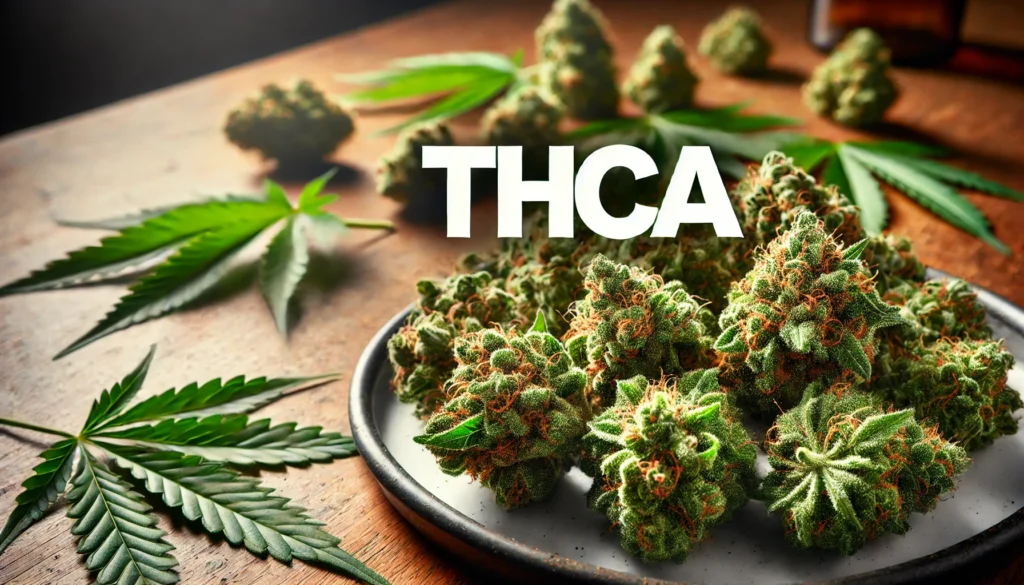
The look of THCA flower reveals much about its quality. High-grade buds will showcase vibrant shades of green, sometimes punctuated by deep purples and bright orange pistils. Buds should be coated in trichomes, giving them a sticky, crystalline appearance. A dense, trimmed, and symmetrical structure—liberally dusted with frosty trichomes—indicates careful cultivation and post-harvest handling. Well-trimmed flowers usually contain fewer leaves and “popcorn” buds, focusing instead on the dense, potent flower. Conversely, avoid flowers showing discoloration, excessive dryness, or brittleness. These often signal substandard practices or improper storage.
Any visible mold, gray dust, or webbing on flowers is an unmistakable sign of contamination, making the product unsafe. Buds with unusual colors, such as dull browns or yellows, often indicate age, oxidation, or poor growing conditions that detract from potency and flavor. Make sure the buds look fresh, healthy, and well cared for—they should be visually appealing, aromatic, and enticing.
3. Aroma and Terpene Profile
Aroma is a key differentiator when judging flower quality. Quality THCA flower should emit a potent, complex scent, often reflective of its unique terpene blend. Whether it’s citrus, pine, berry, or earthy notes, each aroma signals flavor and a potential effect profile. Terpenes such as myrcene, limonene, and pinene do more than provide scent; they can synergize with cannabinoids to influence effects. A dull or musty odor, or any whiff of chemicals, may indicate poor curing or contamination. Trust your nose—a strong, pleasant-smelling flower tends to be higher quality and more enjoyable.
Aroma should be fresh and clean, with nuanced complexity. Avoid buds with a hay-like, metallic, or “off” smell, as these odors are often the result of poor drying, unsanitary storage, or pesticides. Aromatic integrity speaks to careful handling at every stage, from harvest through curing and packaging.
4. Texture and Moisture Content
Handling the buds can tell you a lot about their curing and overall condition. The ideal THCA flower feels slightly sticky due to preserved trichomes and should have a moderate moisture level—firm when pressed yet never too brittle or spongy. Gently squeeze a bud: it should have just enough give without crumbling or feeling damp. Moisture extremes either way are problematic: overly wet buds risk mold, while dry, crumbly ones burn harshly and lose potency.
Stems should snap cleanly when bent—this is a great sign of well-cured cannabis. Avoid flowers that leave powdery residue or feel overly dense and wet. Well-cured products retain more flavor and potency while being safer to store for longer periods. Proper drying and curing are the hallmarks of high-quality THCA flower.
5. Source and Cultivation Practices
The best vendors are transparent about where and how their THCA flower was grown. Look for suppliers who champion organic or sustainable cultivation and detail growing environments, such as indoor versus outdoor. Indoor-grown flowers typically boast more consistent quality, but reputable sun-grown options can also excel. Reputable growers emphasize clean soil, pest management without harsh chemicals, and slow, careful curing processes. Information on harvesting, trimming, and curing shows a grower who values quality over quantity. Ask about the farm, the growing conditions, and whether cultivators use organic nutrients, as these all impact the final product.
Red Flags to Watch Out For
- Lack of Lab Reports: If a thorough, recent COA doesn’t back a product, reconsider your purchase.
- Poor Appearance: Avoid buds that are brown, yellow, moldy, or contain excessive seeds and stems.
- Unpleasant Odor: Strong chemical, musty, or hay-like smells signal improper curing or contamination.
- Excessive Seeds and Stems: Quality flowers should be mostly buds, with very few seeds or stems in each batch.
Final Thoughts
Choosing high-quality THCA flower is more than potency—it’s a holistic process that considers lab validation, striking visuals, complex aromas, ideal texture, and transparent sourcing. Using these criteria and watching closely for warning signs, you can confidently select THCA flower that delivers safety and satisfaction. Always opt for trusted sellers who provide detailed lab reports and clear information about their growing practices, ensuring every experience is positive. Prioritizing quality helps guarantee that your experience with THCA flower is both enjoyable and consistent, supporting your health and peace of mind while letting you make the most of this remarkable cannabinoid.