Starting a career as a caregiver offers a unique opportunity to make a tangible difference in the lives of others, while also achieving personal satisfaction and career growth. For those seeking meaningful work, pursuing caregiver jobs in Eagan, MN is an excellent entry point into this impactful profession. As the demand for compassionate and skilled caregivers continues to grow, now is an ideal time to embark on this rewarding career path.
Not only does caregiving offer job security in an ever-growing healthcare sector, but it also provides an opportunity to develop lasting relationships and contribute positively to your community. The daily responsibilities may be demanding, but the long-term rewards far outweigh the challenges, especially for those driven by empathy and a sense of purpose. This comprehensive guide provides actionable advice for individuals eager to excel in the caregiving field.
If you are interested in the technical and personal requirements to succeed, as well as the tools to prevent burnout, this guide will equip you with everything you need to begin or advance your caregiving journey.
Understanding the Role of a Caregiver
Caregivers play a pivotal role in supporting individuals with diverse needs—from the elderly and those with disabilities to those recovering from illness or injury. The responsibilities extend beyond assistance with daily living activities, such as bathing, dressing, and meal preparation. Caregivers often provide essential emotional support, companionship, medication management, and sometimes even advocacy for their clients’ rights and well-being. The true impact of a caregiver lies in fostering dignity and comfort for those who need it most.
Essential Skills for Caregivers
To excel as a caregiver, individuals must combine technical expertise with compassionate soft skills. Communication is foundational, enabling caregivers to relay information accurately to medical professionals, families, and clients.
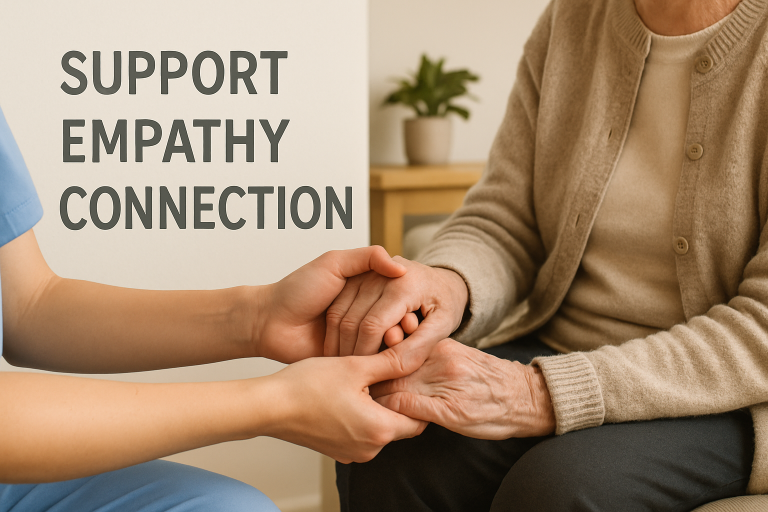
Empathy enables caregivers to establish trust, provide comfort, and anticipate needs with sensitivity. Problem-solving and time management skills ensure that unforeseen challenges are navigated calmly and efficiently. Together, these abilities not only enhance daily performance but also contribute to the long-term well-being of clients.
Educational and Certification Requirements
Many entry-level caregiving positions require only a high school diploma or equivalent. However, pursuing certifications such as Certified Nursing Assistant (CNA) or Home Health Aide (HHA) can significantly enhance your employability and earning potential. These certifications demonstrate a commitment to professionalism and equip you with essential clinical skills. Some roles, particularly those involving specialized care, may require additional training, which can be pursued through community colleges or accredited online programs.
According to the U.S. Bureau of Labor Statistics, formal training and certification not only boost job prospects but also contribute to higher confidence and job satisfaction among caregivers.
Gaining Practical Experience
Hands-on experience is critical for professional development in caregiving. Volunteering at hospitals, senior centers, or through charitable organizations can provide initial exposure to caregiving duties and client interactions. Participating in internships under the supervision of experienced professionals strengthens your ability to handle real-life situations and expands your network within the healthcare community. Seeking mentorship from veteran caregivers offers additional insight and guidance for your career progression.
Exploring Diverse Career Pathways
The caregiving field encompasses a diverse range of career paths. Entry-level positions can serve as stepping stones to advanced roles, such as becoming a registered nurse, occupational therapist, case manager, or administrator in assisted living facilities. Some caregivers choose to specialize in memory care, pediatric care, or palliative support. Others may be drawn to education or advocacy, helping shape favorable policies for vulnerable populations. This flexibility allows you to tailor your career according to your strengths and aspirations.
Maintaining Work-Life Balance
A fulfilling career in caregiving requires conscious effort to balance professional duties with self-care. Setting boundaries, such as defined working hours and regular days off, can help prevent emotional and physical exhaustion. Engaging in personal hobbies, practicing stress management techniques, and utilizing counseling resources are all essential aspects of maintaining your well-being. In doing so, you not only protect your health but also enhance your ability to provide compassionate and effective care over the long term. Major health organizations, such as the Mayo Clinic, offer helpful tips for caregivers to recognize and manage symptoms of burnout.
Continuous Professional Development
Healthcare is constantly evolving. To remain effective and relevant, caregivers should pursue ongoing education. Workshops, online training modules, and attendance at industry conferences expose you to the latest methods, technologies, and regulations in the caregiving field. By staying updated, you ensure your practices remain aligned with the highest standards, ultimately leading to better outcomes for those in your care and increased satisfaction in your work.
Building a Support Network
Caregiving can sometimes feel isolating, but building a network with fellow caregivers helps combat this challenge. Professional associations, support groups, and online forums offer emotional support, provide opportunities to exchange advice, and offer access to shared resources. Networking also enables professional development and information sharing, amplifying your effectiveness and resilience in the field.
Conclusion
Pursuing a career in caregiving is both demanding and deeply rewarding. By focusing on developing core skills, pursuing relevant education, gaining practical experience, and prioritizing your own well-being, you can build not only a sustainable but also a truly fulfilling career. Whether you’re new to the field or a seasoned professional looking to grow, the path of caregiving offers opportunities to enrich your own life while making a significant difference in the lives of others.