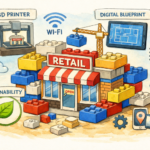

In the rapidly evolving world of retail, technology is at the forefront of major changes in how shopping spaces are designed, built, and experienced. The integration of cutting-edge innovations is reshaping construction processes, enabling retailers and developers to achieve greater efficiency, sustainability, and responsiveness to customer needs. For businesses seeking growth in today’s market, choosing the right retail building contractor Sacramento CA is essential to leveraging technological advances and creating future-ready shopping environments.
Traditional construction methods are increasingly being replaced or supplemented by digital solutions and intelligent automation, fostering environments that delight customers and streamline project delivery. As technology redefines every aspect of retail construction, industry trends point toward a future of increased adaptability, reliability, and environmental accountability.
3D Printing and Modular Construction
One of the most exciting developments in retail construction involves the shift to 3D printing and modular building strategies. By using 3D printers to create structural components and intricate design elements off-site, builders can significantly accelerate project timelines and improve cost efficiency. Modular construction, where prefabricated sections are assembled on-site, further reduces disruption to existing businesses and helps retailers meet tight schedules. Case studies have documented labor savings of up to 50 percent and project durations cut by up to 40 percent, revolutionizing the speed at which new retail locations come online.
Artificial Intelligence in Retail Construction
The application of artificial intelligence (AI) in retail construction is rapidly expanding. AI-powered platforms now offer robust tools for contractors and developers, including project management dashboards, design optimization algorithms, and predictive maintenance systems. Workforce forecasting, real-time schedule adjustments, and automated cost monitoring are just a few of the areas where AI is already making a positive impact. This technology also enables the blending of online and offline retail experiences, with AI-driven data analysis informing decisions on space planning and consumer flow patterns.
Sustainable Building Practices
As sustainable business practices become a requirement rather than an option, the retail construction industry is adapting quickly. New environmental standards such as LEED v5 demand rigorous decarbonization for new retail projects, influencing design, material selection, and operational systems. Carbon performance now accounts for a significant portion of certification, encouraging innovation in energy efficiency, water management, and eco-friendly construction materials. This trend is both a response to stricter regulations and a strategic move to attract environmentally conscious consumers and reduce long-term operating costs.
Smart Technologies and Adaptive Designs
Modern retail spaces increasingly rely on smart technologies to adapt to shifting customer behaviors and expectations. Tools such as Wi-Fi analytics, beacon sensors, RFID tags, and real-time video analysis help retailers gather valuable data on traffic patterns, shelf engagement, and customer preferences. This enables not only more personalized shopping experiences but also empowers store operators to optimize layouts, improve security, and streamline operations. Adaptive store designs, rooted in real-time analytics, are quickly becoming the new standard for competitive retail environments.
Enhancing Customer Experience Through Technology
Technology is transforming not just how stores are built but also how they function. Automation and self-service stations are becoming prominent in physical retail settings, reducing wait times and improving service reliability. Interactive displays, digital signage, and smart shelves that adjust prices in real-time all contribute to a highly responsive in-store experience. Retailers are also experimenting with frictionless checkout options, including remote payment and walk-out technology, to make shopping as seamless as possible.
Challenges and Considerations
While technological innovation brings significant benefits, it also presents notable challenges. The up-front investment in new construction technology can be substantial, and successfully integrating multiple digital systems requires close coordination between designers, builders, and technology vendors. Additionally, implementing AI-based systems often means reimagining workflows to maintain effective human oversight and avoid overreliance on automation. Retailers must also strike a balance, preserving valuable personal interaction while improving efficiency and convenience through automation.
Future Outlook
The next phase of retail construction is likely to center on hybrid infrastructures that merge cloud technologies, edge processing, and localized on-premises systems. This mix enhances both operational resilience and customer-facing experiences. As digital tools continue to drive innovation in design, construction, and retail operations, businesses that embrace these changes are expected to remain competitive in a rapidly evolving market. Ultimately, a technology-first approach is setting new standards for speed, agility, and consumer engagement across retail construction projects worldwide.