

What Are Clinical Studies?
Clinical studies are the cornerstone of medical research, providing the scientific evidence needed to bring new treatments and therapies to patients. These studies investigate how different substances, procedures, or interventions affect the human body, whether exploring a novel drug, a surgical technique, or a lifestyle modification. Clinical trials, often conducted in phases, serve distinct purposes: from assessing safety in a small group to determining effectiveness in larger populations and, eventually, monitoring long-term effects once a treatment reaches the market.
The design of a clinical study may vary. Interventional studies actively assign participants to specific interventions, while observational studies monitor outcomes without altering the participants’ care. Registry-based designs collect data from people with specific conditions over time. Understanding these stages and types is crucial for individuals who wish to participate in clinical studies and contribute to advancing scientific knowledge. Participating in a clinical study can provide access to new treatments before they are widely available. It also allows individuals to play an active role in shaping the future of medical care.
Why Patients Choose to Participate
People enroll in clinical studies for various reasons, with altruism at the heart of many decisions. Many volunteers hope that their participation will help others by advancing science and supporting the development of new treatments, diagnostics, or preventive strategies. For some, the motivation is personal, as they seek access to innovative therapies not yet available to the general public, especially when traditional treatments have been unsuccessful. Others are inspired by family or community experiences with disease and want to make a meaningful difference for future generations.
In addition to these considerations, the experience of being involved in research can foster a deeper understanding of one’s own health and encourage a stronger relationship between patients and healthcare providers. The National Cancer Institute emphasizes that participating in clinical trials not only contributes to medical progress but also offers patients access to cutting-edge care and close monitoring by expert teams. These personal journeys, while unique, collectively play a vital role in transforming healthcare for all.
The Ripple Effect: How Participation Helps Others
The impact of participating in a clinical study extends far beyond the individual. Each volunteer helps researchers uncover essential information about diseases, thereby accelerating the discovery of better and safer treatments.
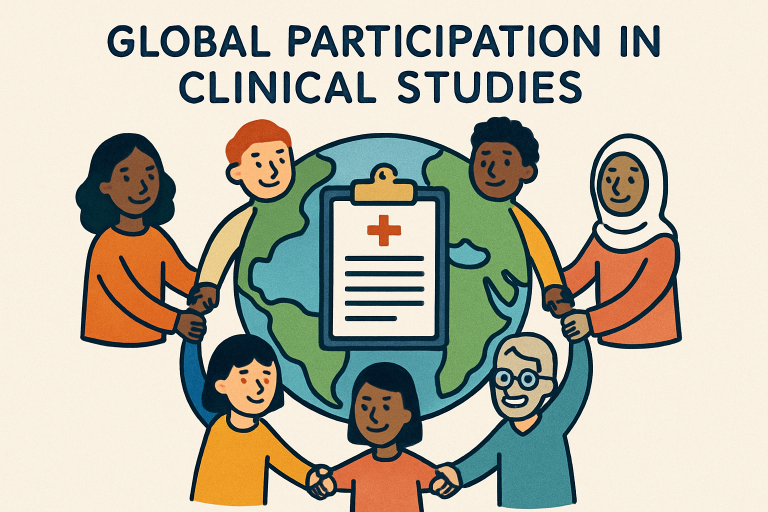
Many of today’s most transformative medications and therapies are available because thousands of individuals participated in past clinical trials. By contributing their time and effort, these participants have directly influenced medical advances that save and improve lives around the world.
Safety: What Safeguards Are in Place?
Rigorous safety protocols are fundamental in all reputable clinical studies. Research is conducted within strict ethical boundaries, overseen by regulatory bodies such as the FDA and independent Institutional Review Boards (IRBs). These organizations ensure that all studies adhere to legal and ethical standards and monitor ongoing research to protect the rights of participants.
Every risk is carefully evaluated and minimized, with clear communication to participants through informed consent—a process that details the study’s purpose, expectations, potential risks, and benefits.
Common Questions and Concerns
Potential participants often wonder what to expect when joining a clinical study. While some studies require regular hospital visits or specific lifestyle changes, others may simply involve answering surveys or providing health data remotely. Another common concern is the use of placebos—the practice of giving some participants an inactive substance to compare treatment effects. Ethical guidelines ensure that the use of placebos is appropriate and that no patient is denied standard care. In recent years, key issues—such as the need for diverse and transparent clinical study populations—have gained attention in media and scientific circles. Increased transparency and diversity help produce results that are more representative and applicable to the broader population.
How to Find and Join a Clinical Study
Finding reputable clinical trials has become easier with the assistance of online databases and community outreach efforts. Participants can search these resources or consult their healthcare providers for local opportunities. Trusted studies will provide transparent details about eligibility, expectations, and procedural protections.
Before enrolling, prospective participants should prepare questions about the study’s design, time commitment, risks, benefits, and data privacy. Clear understanding and open communication with research staff or coordinators help ensure a positive and informed experience.
Ethical Considerations in Medical Research
Diversity and inclusion are increasingly recognized as essential for ethical research and the development of equitable healthcare solutions. Ensuring a broad range of backgrounds among participants allows scientists to understand better how treatments work across different populations. Efforts to expand outreach to historically underserved groups aim to make trials—and their benefits—more accessible to all. Transparency remains crucial, with more studies making their results publicly available and engaging communities to share outcomes and learnings. This openness strengthens public trust in the research process and fosters ongoing community support.
The Lasting Impact of Participation
Stories of those who join clinical studies remind us how one person’s contribution can change countless lives. Many critical medical advancements today—from vaccines to cancer therapies—are made possible thanks to participants who are willing to take the first step toward discovery. For many, participating in a clinical study is both an act of hope and a way to leave a lasting legacy, helping to ensure better healthcare for future generations.
Staying informed, spreading awareness, and supporting trustworthy research are ways everyone can contribute, even beyond direct participation. Engaging with up-to-date resources and community advocacy groups empowers individuals to continue making a difference as the future of healthcare evolves.