
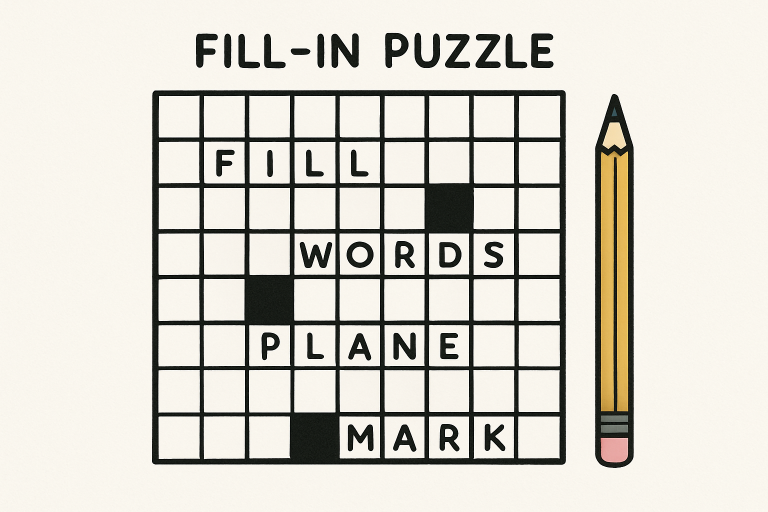
Fill-in puzzles, also known as Fill-It-Ins, offer a captivating twist on the classic crossword experience. Instead of deciphering clues, you are challenged to fit a predetermined list of words into a blank puzzle grid. Many puzzle enthusiasts have discovered these puzzles through resources like Penny Dell Puzzles, where many fill-ins await solvers of all ages. These puzzles not only provide hours of enjoyable entertainment but also deliver impressive brain-boosting benefits.
Whether you’re solving alone or with friends, fill-in puzzles offer more than an engaging way to pass the time. Research increasingly points to the unforeseen advantages of regular puzzle play—including memory improvement, enhanced problem-solving, and greater attention to detail.
Engaging Both Hemispheres of the Brain
Filling in a blank puzzle grid is a far more dynamic mental exercise than it might first appear. Each puzzle presents an opportunity to engage both brain hemispheres: the left side drives logical reasoning to assess where words could fit, while the right side manages pattern recognition and spatial awareness. This balanced brain activity cultivates analytical skills—such as deduction and sequential thinking—and creative skills, like flexible pattern recognition.
Enhancing Memory and Cognitive Skills
A core benefit of regularly working on fill-in puzzles is the positive impact on memory retention. You repeatedly activate and reinforce neural pathways tied to short-term and working memory as you remember which words you have already placed and which remain. This ongoing exercise is like a fitness routine for your mind, making it sharper and more responsive. It’s no surprise that activities like these have been linked to delayed cognitive decline and a reduced risk of degenerative brain diseases. Harvard Health highlights that regularly engaging in puzzles stimulates the mind and helps keep it agile as we age.
Improving Problem-Solving Abilities
Solving fill-in puzzles involves trial and error, logical deduction, and adaptability. When you guess a word’s placement—only to discover it clashes with another—you’re prompted to rethink, erase, and approach the task from a new angle. Though sometimes frustrating, this process strengthens your capacity for strategic thinking and perseverance. Not only do you learn patience, but you also build adaptability—key problem-solving skills that support better decision-making across various life situations.
 Boosting Attention to Detail
The intricate nature of fill-in puzzles demands a meticulous eye. Overlooking the placement of even a single word can derail the entire solution, requiring you to scour the grid for overlooked opportunities or hidden missteps. Focusing on detail translates beyond the puzzle, sharpening your observational skills. You may find it easier to spot inconsistencies, remember small yet important details, or analyze information more precisely—an asset in academic, professional, and everyday contexts.
Reducing Stress and Elevating Mood
Engaging in fill-in puzzles is more than just cognitive exercise; it can also be a form of relaxation and mindfulness. Focusing your attention on a puzzle diverts your mind from daily stresses, creating a meditative moment. Each successful word placement also triggers the brain’s reward system, releasing dopamine and providing a sense of satisfaction and pleasure. This feedback loop lifts your mood and encourages a continued interest in puzzles, contributing to regular cognitive care.
Accessible Cognitive Exercise for All Ages
One of the strongest appeals of fill-in puzzles is their simplicity and accessibility. Unlike brain exercises requiring specialized knowledge or extensive study, anyone can get started with fill-in puzzles. The word lists are varied and can help students broaden their vocabulary, while older adults enjoy the mental challenge without any barriers to entry. The diversity of themes and difficulty levels means that there’s a puzzle for every age and proficiency, making fill-in puzzles an inclusive way for anyone to support their brain health.
Incorporating Fill-In Puzzles into Your Routine
Adopting fill-in puzzles as part of a daily or weekly routine is straightforward. Begin with easier grids to gain confidence, then gradually select more complex challenges as your skill grows. Some enjoy solving puzzles with coffee in the morning, while others find it a calming evening ritual. The real key is consistency: set aside a little time each day to experience the compounding benefits on your memory, mood, and problem-solving skills.
Fill-in puzzles are far more than just a source of entertainment—they are a tool to enhance brain function, foster creative and strategic thinking, and promote well-being at any stage of life.