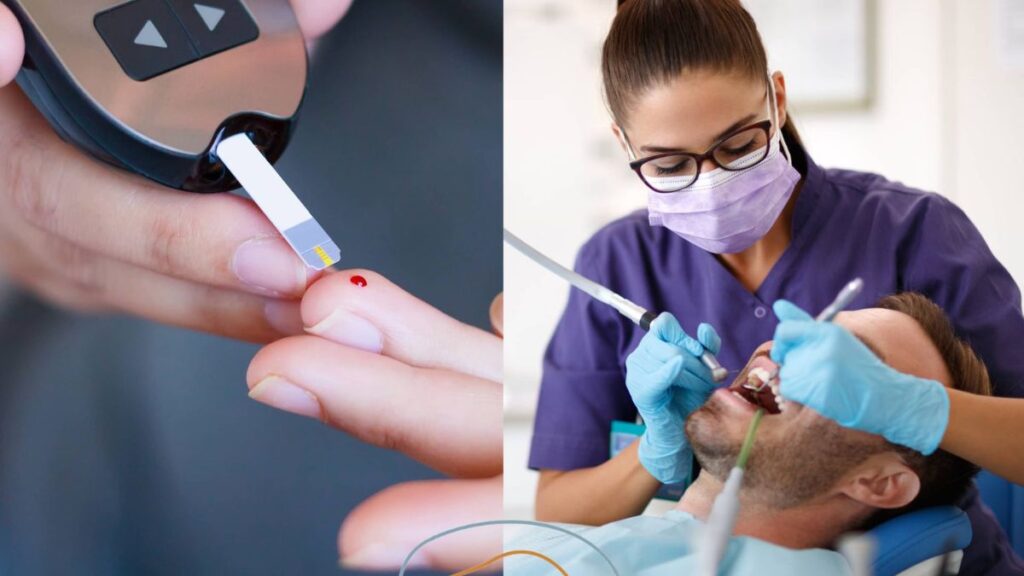
Maintaining good oral hygiene is about much more than a bright smile. It directly impacts overall health, with growing evidence showing strong links between oral health and systemic conditions like diabetes. For many people, however, regular dental visits are overshadowed by fear, anxiety, or difficulty coping with dental procedures. This avoidance can result in neglected oral care, worsening gum disease, and higher risks of chronic illnesses.
Sleep dentistry, or sedation dentistry, has emerged as a powerful solution. By allowing patients to receive dental treatments comfortably and without fear, it helps them maintain consistent oral hygiene. In turn, this preventive care lowers the risk of complications that can contribute to diabetes and other health problems.
Breaking the Cycle of Dental Avoidance
One of the main barriers to maintaining oral hygiene is dental anxiety. Patients who dread the chair often delay check-ups or skip treatment altogether. Over time, this avoidance leads to the buildup of plaque, cavities, and gum disease. Gum disease, in particular, has been strongly associated with insulin resistance and poor blood sugar control.
Sleep dentistry breaks this cycle by creating a relaxed, anxiety-free experience. Patients can undergo cleanings, fillings, or periodontal treatments without the stress that normally keeps them away. This consistency is crucial for preventing gum inflammation and maintaining a healthy oral environment.
The Oral Health–Diabetes Connection
Research has long highlighted the two-way relationship between diabetes and oral health. Poor oral hygiene increases the risk of gum disease, which in turn worsens blood sugar control. Conversely, people with diabetes are more prone to infections, making them especially vulnerable to periodontal issues.
By making dental care more accessible, sleep dentistry ensures that patients can receive the treatments they need to keep gum disease under control. Regular cleanings and timely interventions prevent bacteria from spreading, reducing inflammation that could impact blood sugar levels. In this way, sleep dentistry supports both oral health and overall wellbeing.
Building a Strong Foundation for Health
Preventive dental care is the cornerstone of good oral hygiene. Regular check-ups, cleanings, and early treatment of cavities or gum disease create a healthier mouth and reduce the chances of systemic complications. For patients who might otherwise avoid the dentist, sedation offers a way to access these preventive services without fear.
With this support, strong foundations for oral health are built through general dentistry. These foundations go beyond healthy teeth and gums—they play a role in protecting the body against chronic illnesses like diabetes, making oral care a vital part of whole-body health.
Comprehensive Treatment in Fewer Visits
For patients who struggle to tolerate lengthy or repeated dental visits, sleep dentistry offers the advantage of completing multiple procedures in one session. Instead of returning for separate fillings, cleanings, or extractions, patients can have several treatments done at once while comfortably sedated.
This efficiency means fewer appointments, less stress, and reduced risk of oral issues escalating into more serious conditions. By making care more manageable, sleep dentistry encourages patients to stay on top of their oral hygiene and reduces the likelihood of complications that could influence diabetes management.
Making Dental Care Inclusive
Not everyone can cope with traditional dental environments. Children with heightened anxiety, adults with special needs, or those who have had traumatic past experiences may all struggle to receive routine care. Sleep dentistry makes dental care inclusive by providing a safe, calming option for patients who need extra support.
By ensuring these patients can still receive preventive care and essential treatments, sleep dentistry helps eliminate disparities in oral health access. Everyone deserves the opportunity to protect their oral hygiene and lower their risk of conditions like diabetes.
Supporting Lifelong Habits
Good oral hygiene is not a one-time effort but a lifelong practice. Sleep dentistry plays an important role in helping patients establish consistent dental routines. When dental visits are free from fear or discomfort, patients are more likely to return for regular check-ups and follow preventive advice at home.
This consistency reinforces the connection between oral health and overall wellbeing. Patients who embrace regular dental care not only protect their teeth and gums but also take proactive steps toward lowering their risk of diabetes and other chronic diseases.
Sleep dentistry is more than a comfort option—it’s a bridge to better health. By making dental care accessible, calming, and efficient, it helps patients maintain oral hygiene, control gum disease, and reduce the risk of systemic complications. Supporting preventive care through sedation is a vital step toward safeguarding both dental and overall health.
For those seeking a deeper understanding of the link between oral hygiene and general wellness, proper oral care remains the key to a healthy mouth and body, underscoring why dental visits should never be overlooked.