Introduction
Real estate development companies are continuously evolving the way people live, work, and connect within their neighborhoods. By adopting forward-thinking approaches, these companies are paving the way for smarter, greener, and more cohesive communities that respond to today’s complex urban needs. Through integrating innovative technologies and sustainable design principles, real estate developers are changing city skylines and enriching everyday life for residents and businesses alike. As you consider your options in the modern housing market, working with professionals like Your Home Wichita ensures access to communities designed for the future and rooted in livability.
Real estate development companies’ impact extends beyond constructing buildings—they create spaces that facilitate connection, health, and social vibrancy. Focusing on making places more efficient and sustainable, developers play a crucial role in meeting the growing demand for quality homes, green technologies, and affordable spaces while maintaining an eye on the needs of diverse populations. Today’s developers drive transformative change across urban, suburban, and mixed-use environments by emphasizing the community’s collective well-being.
Smart Technologies in Modern Developments
Adopting advanced technologies is quickly becoming a defining feature of contemporary real estate development. From automated security systems to app-enabled access to amenities and intelligent energy management, these tools increase safety and comfort and significantly optimize energy consumption. Modern developments often feature integrated solutions such as real-time building management systems, smart elevators, and digital resident portals, creating environments where efficiency and connectivity enhance day-to-day living. According to Forbes, innovative building technologies also support predictive maintenance, lowering costs and environmental footprints for property managers and homeowners.
Embracing Sustainable Building Practices
The push for sustainability has transformed how developers approach new projects. Leading real estate companies prioritize eco-friendly building materials, such as bamboo, recycled steel, and reclaimed wood, to limit resource depletion and carbon output. Energy-efficient systems, including solar panels, high-performance insulation, and green roofing, have become standard installations in many new developments. Additionally, water-saving fixtures, low-impact landscaping, and LEED-certified design principles help reduce the ecological footprint of modern communities. As the New York Times highlighted, sustainable construction reduces long-term operating costs and is increasingly expected by environmentally conscious buyers.
The Rise of Mixed-Use Developments
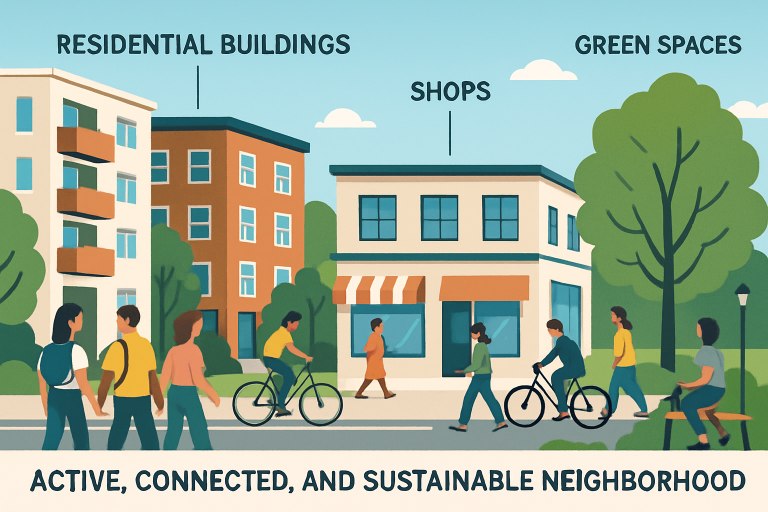
One of the most significant trends in recent real estate development is the rise of mixed-use spaces that seamlessly blend living, working, shopping, and socializing. These developments promote walkability, reduce car dependence, and help create lively neighborhoods that attract residents and businesses alike. By interspersing retail, office, residential, and recreational components within the same area, developers facilitate vibrant local economies and stronger social ties.
Case Study: Crescent Communities
Crescent Communities is an example of a company that skillfully executes this approach. Their projects are structured to integrate residential neighborhoods with commercial zones and shared green spaces, supporting a dynamic, convenient lifestyle for residents of all backgrounds. These developments address current populations’ needs and build resilient communities equipped for future growth. For instance, their NOVEL NoDa project in Charlotte, NC, is a transit-oriented, mixed-use development featuring residential units, retail spaces, and public amenities designed to foster community engagement and connectivity.
Addressing Housing Shortages
Increasing demand for affordable housing—amid urban population growth—has spurred developers to innovate with diverse housing models. Developers are enabling broader participation in the housing market by supporting initiatives that prioritize diversity, equity, and inclusion, such as training programs for underrepresented groups in real estate. Programs like the Equitable Development Initiative provide valuable mentoring and resources for minority developers, strengthening community representation while delivering affordable, quality housing options.
Real estate development companies partner with local governments and nonprofits to ensure housing remains attainable for essential workers, young families, and seniors. These partnerships can incentivize the construction of mixed-income communities and the revitalization of underutilized land, reshaping urban areas to meet present and future needs.
Community Engagement and Placemaking
Today’s developers recognize that lasting value comes from creating spaces that foster a genuine sense of belonging and community pride. Through placemaking strategies, outdoor amenities, public art, and inclusive programming, developers design environments where people naturally gather and connect. Human-centered design principles, improved pedestrian infrastructure, and ongoing stakeholder engagement are increasingly embedded in every stage of project planning and execution.
Developments like NOVEL White Fence Farm in Denver are specifically crafted to encourage daily activity and organic social interaction, helping to build healthier and more connected neighborhoods. By collaborating closely with residents, local businesses, and city officials, developers ensure that new projects serve each community’s unique needs and aspirations.
Conclusion
Modern real estate development companies are at the heart of the nationwide transformation in cities and towns. By integrating smart technologies, championing sustainable practices, creating inclusive mixed-use communities, and forging strong public-private partnerships, these companies set the standard for urban innovation and community well-being. As real estate continues to adapt to social, technological, and environmental challenges, forward-thinking developers ensure that new communities are not only built to last but built to thrive.