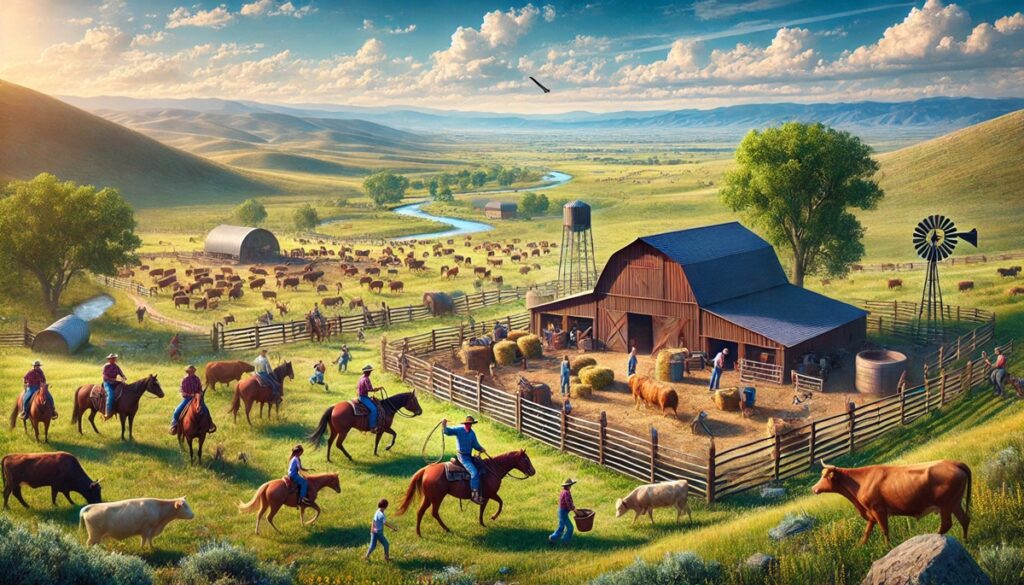
Ranch life offers a truly distinctive environment for personal growth, centered on values like responsibility, work ethic, and fortitude. Immersing oneself in the rhythms and unpredictability of this lifestyle presents lessons that transcend daily chores, instilling deeply rooted character traits. Whether one is new to ranch life or searching for ways to infuse resilience into modern routines, the insights gained from these experiences remain timeless. Unique spaces, even those that blend traditional ranch aesthetics into urban living, like a furniture store Toronto, embody these values in their offerings, hinting at the enduring popularity of ranch-inspired living.
The challenges and rewards of ranch work are not just practical; they shape mindsets, strengthen perseverance, and inspire a sense of purpose. Living close to the land and livestock, individuals find meaning in routine, teamwork, and care for animals. These experiences nourish empathy, patience, and the confidence required to face adversity. Ranch life not only feels authentic but also delivers irreplaceable life lessons for all ages.
Families and communities involved in ranching develop strong bonds through collaboration and the sharing of daily responsibilities. The environment demands cooperation, and this fosters relationships defined by mutual trust and respect. The generosity and mentorship found on ranches create lifelong connections and valuable intergenerational legacies that extend far beyond the boundaries of the land itself.
Mastering a wide variety of tasks, everything from weathering storms to ensuring animal welfare, demands self-discipline, adaptability, and a sense of stewardship. By exploring how these traits are cultivated, we can understand why ranch life remains such a formative force in shaping confident, resilient individuals.
Discipline Through Daily Routines
Consistent routines are at the heart of ranch life. Most days begin in the pre-dawn stillness, with chores demanding attention before the sun rises. Weather, holidays, and weekends are immaterial to the needs of animals and land. Through these unwavering routines, ranchers cultivate powerful habits centered on accountability and time management. This structure builds a strong sense of duty and an appreciation for reliability, virtues that translate into everyday effectiveness and self-motivation off the ranch as well. Ranch environments are uniquely positioned to build children’s confidence and responsibility through daily expectations and a steady routine.
Building Resilience Through Challenges
Unpredictability is a hallmark of ranch life. From sudden storms to injured livestock, ranchers must respond to emergencies calmly and creatively. This atmosphere of steady challenge teaches adaptability. Resilience is forged in real time when quick thinking and problem-solving are necessities. A notable example is the Resiliency Wranglers youth program, which partners children with horses to help them develop emotional coping skills and tenacity. These hands-on learning opportunities allow participants to draw lessons from setbacks and grow from adversity, preparing them for the realities of life in any environment.
Empathy and Patience Through Animal Care
Animals, with their variety of personalities and needs, offer a living lesson in compassion. Whether nursing a sick calf or ensuring the comfort of a herd, empathy and patience are required. Ranchers learn to read subtle cues, understanding when animals are anxious, ill, or content. This consistent attentiveness nurtures a gentle approach, forging bonds that deepen the sense of responsibility to living creatures. Experiencing the rewards of dedicated care fosters a broader, more patient perspective applicable to work, relationships, and community.
Teamwork and Community Involvement
No rancher is an island. Success in ranch life depends on collaboration, utilizing the strengths and knowledge of family members and neighbors. Large projects, such as moving herds or managing land improvements, are only feasible through group effort. This necessity for teamwork encourages open communication, respect for different skill sets, and a willingness to seek and accept help. Community ties blossom through mutual support, creating a culture where neighbors lend a helping hand and celebrate shared successes.
Connection to Nature
Living and working outdoors year-round creates a tangible bond with nature. Observing the changes in seasons, the behavior of wildlife, and the subtle cues in weather patterns fosters environmental awareness and respect. Ranchers often develop a stewardship mindset, considering the long-term impact of their actions on the environment. These deep connections are especially important as society becomes more urbanized, helping preserve a sense of rootedness and appreciation for the rhythms of the natural world. Modern ranchers are often at the forefront of conservation efforts, balancing productivity with stewardship.
Educational Opportunities and Life Lessons
Ranch life is not just about physical work; it provides educational enrichment that goes far beyond traditional classrooms. Youth programs and public heritage initiatives, like those by the National Ranching Heritage Center, work in partnership with authors and educators to introduce the importance of ranching to new generations. These experiences impart lessons about history, perseverance, scientific inquiry, and culture, creating a learning atmosphere built on practical engagement and curiosity. More details about these programs can be found on the National Ranching Heritage Center’s website.
Preserving Traditions and Building Legacy
Many ranch families carry forward traditions for generations. Passing down knowledge about animal husbandry, land management, and community values creates a powerful sense of legacy and belonging. Young people learn alongside elders, preserving practices shaped by both hardship and celebration. This continuity fosters a sense of identity and establishes family bonds rooted in shared achievement, turning ranch life into a living heritage sustained by each new generation.
Conclusion
Ranch life offers a blueprint for character and resilience. Through relentless routines, ongoing challenges, close relationships with animals, and strong community ties, those who experience ranch living develop traits that serve them for a lifetime. The natural beauty, sense of purpose, and educational opportunities equip individuals with an unwavering confidence and gratitude, ready to succeed in both rural and urban worlds.