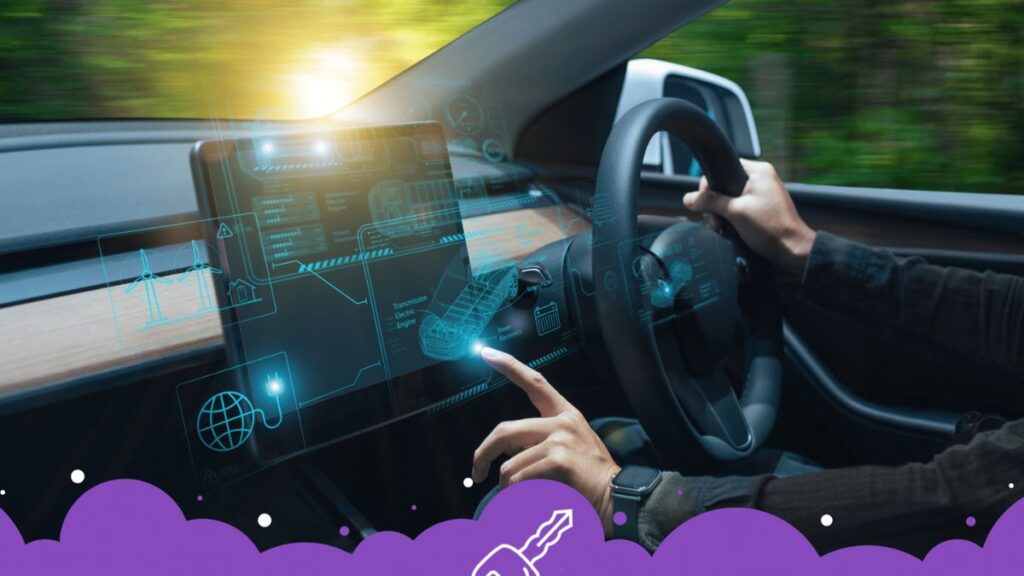
Advancements in automotive technology are revolutionizing the way we drive, ushering in a new era of intelligence, safety, and connectivity that was once reserved for science fiction. Over the past decade, the automotive industry has witnessed an unprecedented surge in innovation, reshaping both daily commutes and the driving landscape as a whole. From self-driving capabilities that navigate busy city streets to infotainment ecosystems that rival the latest smartphones, new features are arriving at a rapid pace. For anyone considering a new vehicle—whether you’re a tech enthusiast or a cautious newbie—staying informed about the latest advancements can help you make smarter, safer, and more satisfying purchasing decisions. As the boundaries of automotive innovation continue to expand, learn more about how current innovations can truly transform your everyday driving experience.
It’s not just about adding more gadgets to your dashboard. By integrating adaptive safety features, intuitive voice-command systems, and robust vehicle connectivity, automakers are fundamentally changing what it means to be behind the wheel. The intense competition between car manufacturers has sparked a wave of smarter, safer, and more entertaining vehicles. These changes are not solely for tech lovers—understanding the newest technologies is crucial for all drivers, especially as features like advanced safety protocols or smartphone-like interfaces quickly become standard. Informed buyers are better equipped to evaluate which innovations best align with their driving needs, ensuring a vehicle investment that’s future-proof and rewarding.
Self-Driving Technology
Self-driving technology is transforming transportation by utilizing artificial intelligence, machine learning algorithms, and sensors to interpret and understand the environment. Companies like Waymo and Tesla are leading the way, using lidar, radar, cameras, and real-time data processing to detect obstacles, follow traffic laws, and execute safe maneuvers in complex urban settings. This technology has the potential to reduce accidents caused by human error, improving safety for everyone on the road. Self-driving capabilities also offer improved accessibility for those who may be unable to drive, including seniors, people with disabilities, or those without a driver’s license. As cities test autonomous ride-hailing pilots, experts anticipate positive effects across sectors like public transit and commercial delivery services. The disruptive potential of these vehicles could redefine how communities move and interact with each other.
Biometric Car Keys
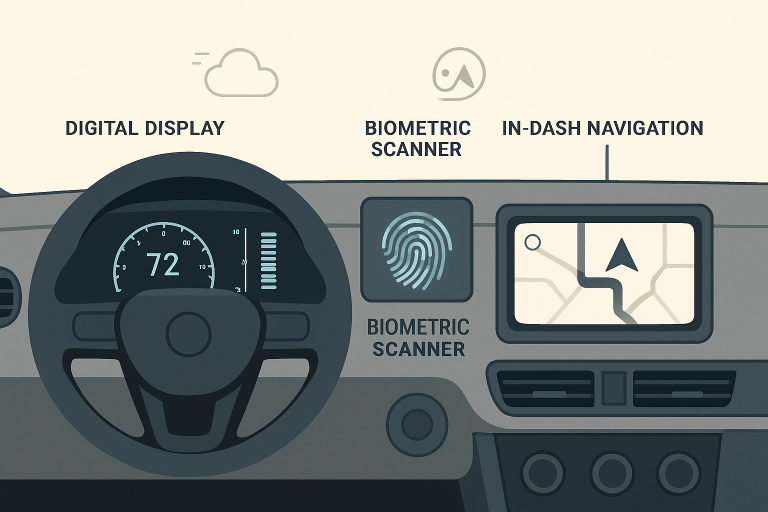
Car keys are becoming increasingly advanced, with biometric authentication systems pushing traditional metal or fob-based keys towards obsolescence. Vehicles like the Hyundai Genesis GV60 and select Tesla models use biometric solutions like facial recognition or fingerprint identification to provide a secure way to unlock and start the car. This technology makes the process faster and more comfortable, preventing theft even if a thief obtains the physical key. Biometric systems also offer robust personalization options, such as automatically adjusting seat positions, mirror settings, climate controls, and in-car entertainment preferences. This convenience is particularly useful for households with multiple drivers, as it can limit younger drivers’ speed or media options based on their biometric profile.
Adaptive Technologies
Adaptive technologies are transforming modern vehicles, with systems like Subaru’s EyeSight offering driving aids like adaptive cruise control, lane-keeping assist, and pre-collision braking. These features increase driver confidence and safety, while also reducing fatigue during long drives or challenging weather conditions. Intelligent voice-controlled assistants, developed in partnership with SoundHound, are redefining the driver experience by understanding conversational commands. Predictive maintenance systems, which alert owners about mechanical issues before they become costly repairs, are transforming car ownership from reactive to proactive, allowing drivers to focus on the road and enjoy the journey.
Advanced Infotainment Systems
The latest infotainment systems in cars have transformed the dashboard into a fully integrated command center, combining real-time navigation, music streaming, climate controls, safety alerts, and smartphone connectivity. BMW’s Panoramic iDrive offers an ultra-wide digital dashboard that integrates these features, reducing distraction and enhancing convenience. Additionally, augmented reality (AR) displays are being introduced, projecting navigation arrows, hazard alerts, and nearby landmark details onto the windshield. These intuitive systems help drivers follow directions and be aware of obstacles, reducing confusion in unfamiliar settings. Buyers can research the best infotainment systems by exploring resources like TechRadar.
Vehicle-to-Everything (V2X) Communication
Vehicle-to-Everything (V2X) communication is a revolutionary new car technology that allows vehicles to communicate with everything around them, including traffic lights, road signs, and pedestrian smartphones. This technology significantly improves traffic safety and urban efficiency by enabling real-time sharing of critical information, such as sudden slowdowns or accidents. The U.S. Department of Transportation is investing heavily in V2X systems, with early studies showing promise in reducing collision rates and improving traffic flow. As connected infrastructure continues to roll out, cities are expected to adopt connected infrastructure, leading to smarter, more responsive urban transportation grids. As automotive technology advances, drivers can expect safer, more efficient journeys and a more enjoyable and personalized driving experience.
Future Driving Outlook
As automotive technology continues to evolve at a rapid pace, staying informed about these advancements is more important than ever. From self-driving cars to biometric security and vehicle-to-everything communication, these innovations are not only enhancing safety and convenience but also reshaping the future of transportation. Whether you’re a seasoned driver or considering your next vehicle purchase, understanding these technologies will empower you to make smarter choices and enjoy a safer, more connected driving experience. Embracing these changes today paves the way for a smarter, more efficient, and enjoyable journey on the roads of tomorrow.