

Understanding Metabolic Health
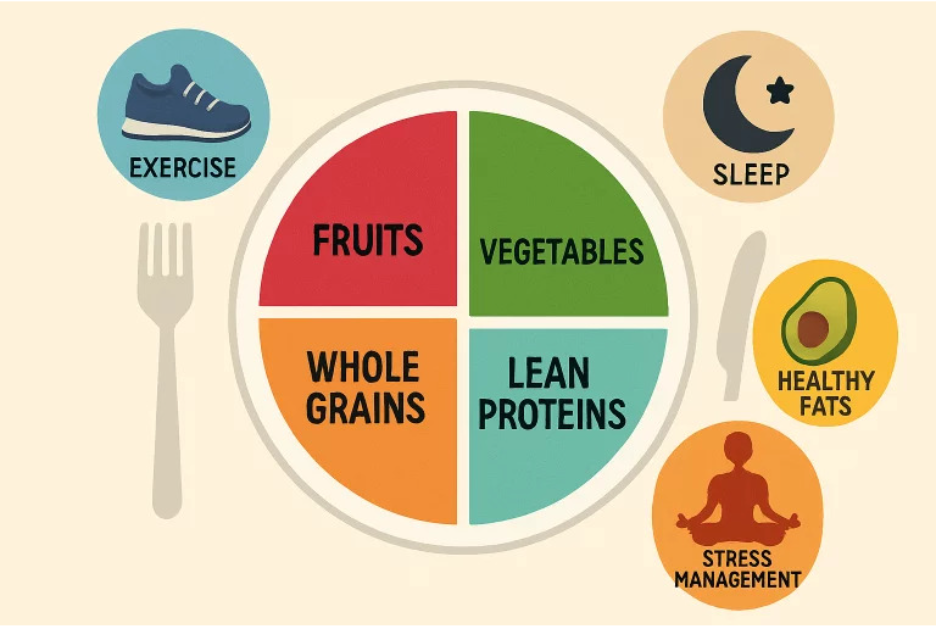
Metabolic health is a holistic concept encompassing the body’s functioning across various systems. Good metabolic health leads to increased energy, mental clarity, and reduced risk of chronic illnesses like diabetes, cardiovascular disease, and stroke. For those aiming to enhance their metabolic health, expert guidance is available through Garcia Weight Loss, which offers a wide array of personalized resources and treatment options for long-term success. A holistic approach to metabolic health emphasizes the importance of daily choices like nutrition, movement, sleep, and stress management over quick fixes. Building healthy routines improves and lays the groundwork for lifetime vitality, motivating individuals to implement and maintain these lifestyle changes.
Dietary Adjustments for Improved Metabolic Health
A healthy diet is crucial for optimizing metabolic health. A plant-forward, whole-foods-based diet, including fruits, vegetables, whole grains, legumes, nuts, and seeds, supports blood sugar regulation, cholesterol reduction, and inflammation reduction. These foods benefit weight loss and protect metabolic health for all body types and ages.
Research from Harvard has revealed that making healthy dietary choices—emphasizing quality and nutrient density over calories or fad diets—results in meaningful improvements in cardiometabolic risk factors. According to a Harvard study, individuals who shifted to a heart-healthy diet experienced increased beneficial HDL cholesterol and reductions in dangerous visceral fat, even when they didn’t lose much weight. Focus on what you eat, not just how much. Minimize processed foods, unhealthy fats, sugars, and excess sodium to boost metabolism. Incorporate lean protein sources like poultry, fish, and legumes, and swap saturated fats for healthier alternatives. Avoid processed carbohydrates, added sugars, and high-sodium packaged foods contributing to metabolic dysfunction.
Incorporating Regular Physical Activity
Physical activity promotes metabolic health, optimizing blood glucose management, insulin use, and burning fat. It also helps maintain lean muscle, boosting calorie burn even at rest. Health experts recommend 150 minutes of moderate-intensity aerobic exercise per week, broken up over several days, and two strength training sessions for all major muscle groups. A balanced exercise routine combining cardiovascular and resistance activities can lower blood pressure, stabilize blood sugar, and improve lipid profiles. Regular physical activity is essential for preventive medicine, improving mood, brain function, and resilience. To maintain motivation, find enjoyable activities, split exercise into manageable sessions, and incorporate cardiovascular, strength, and flexibility workouts.
The Role of Sleep in Metabolic Function
Good sleep is crucial for metabolic health, affecting hormone regulation, appetite control, and energy balance. Insufficient or poor-quality sleep can lead to adverse effects such as impaired glucose metabolism, increased appetite for high-calorie foods, and increased risk for obesity and insulin resistance. Adults should aim for seven to eight hours of quality sleep per night. Strategies for better sleep include a regular bedtime and wake-up schedule, minimizing blue light exposure, limiting caffeine, and developing a soothing pre-sleep routine.
Monitoring Metabolic Health
Consistent checkups, such as blood pressure readings, fasting glucose tests, cholesterol panels, and waist circumference tracking, provide valuable feedback on health status and wellness strategies. Regular physical exams, lab work, and discussions with healthcare providers help in making proactive adjustments to nutrition, activity, sleep, or stress routines and setting realistic goals for continued improvement.
Conclusion
Metabolic health is a holistic concept encompassing the body’s deficiency in various systems, including blood sugar regulation, cholesterol balance, blood pressure control, and energy production. Maintaining metabolic wellness doesn’t require drastic changes, but relatively consistent lifestyle choices that support the body’s natural processes. These include a diet rich in whole, minimally processed foods, regular physical activity, restorative sleep, and effective stress management. These habits stabilize hormones, reduce inflammation, and boost resilience, laying the groundwork for long-term health. Small, sustainable steps, like drinking water, walking daily, and taking deep breaths, can lead to powerful transformations. Improving metabolic health is a journey, not a destination.