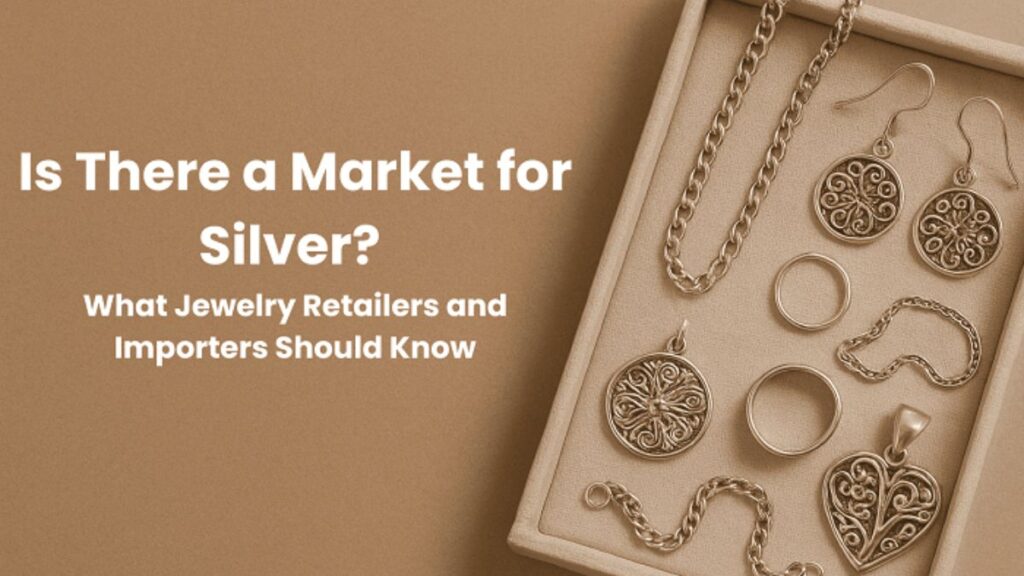
Among precious metals, silver remains a preferred choice in jewelry for its balance of affordability, versatility, and timeless appeal. Yet, as global metal prices fluctuate, manufacturers and retailers must navigate shifting production costs, retail pricing, and profitability. Understanding these dynamics allows businesses to plan strategically and maintain competitiveness.
As a factory-direct wholesaler,925SilverJewelry.com offers insights and stability for B2B buyers seeking consistent supply and dependable pricing.
Global Silver Market Overview
Silver Price Trends and Historical Fluctuations
Silver’s value has historically been more volatile than gold or platinum. Over the past decade, it has ranged between $12 and $30 per ounce, shaped by global demand, mining output, and investor sentiment. Because silver serves both industrial and decorative markets, its price reacts to broader economic conditions.
When silver prices rise, manufacturers face higher material costs; when prices drop, it creates opportunities to expand production or invest in new designs. Recognizing these cycles helps businesses adjust inventory and pricing strategies effectively.
Factors That Drive Silver Prices
Supply: Mining output and national reserves determine availability. Disruptions in top-producing countries like Mexico or China can tighten global supply.
Demand: Jewelry, electronics, and renewable energy sectors all rely on silver. A rise in industrial or investment demand often boosts prices.
Economic Factors: Inflation, currency strength, especially the US dollar, and geopolitical events heavily influence silver’s value. When inflation grows or the dollar weakens, silver becomes a popular hedge, raising demand and cost.
Impact on Jewelry Manufacturers
Production Costs and Profit Margins
For jewelry manufacturers, changes in silver prices immediately affect material budgets. When prices surge, production costs climb, compressing margins unless retailers adjust their pricing. To stay competitive, manufacturers must balance design innovation with efficiency, ensuring quality without overspending on raw materials.
Risk Management and Strategic Planning
Monitoring market forecasts and silver trends helps manufacturers plan procurement schedules and inventory levels wisely. Strategic partnerships with a wholesale silver jewelry supplier & manufacturer like 925SilverJewelry.com provide flexibility and stability, ensuring access to competitively priced materials during volatile periods. Such collaboration also strengthens supply chain resilience and pricing consistency.
Impact on Jewelry Retailers
Retail Pricing Strategies Amid Fluctuations
For retailers, silver price changes influence both markup decisions and customer perception. Sudden increases can reduce margins or force price adjustments. Partnering with a reputable wholesale silver jewelry supplier & manufacturer like 925SilverJewelry.comallows retailers to offset these fluctuations through dependable sourcing and predictable costs.
To explore stable wholesale options, visit925SilverJewelry.com.
Inventory and Consumer Management
When silver prices rise, existing stock may appreciate in value; when they fall, retailers may need markdowns to align with new market conditions. Transparent communication around pricing builds customer trust, especially when explaining fluctuations as part of global economic trends. Retailers who maintain honesty and consistency tend to preserve long-term loyalty despite changing costs.
Conclusion
Global silver prices shape every stage of the jewelry business—from sourcing and manufacturing to retail pricing and consumer demand. Rising production costs, margin pressures, and supply disruptions remain key challenges.
By closely monitoring silver trends and strengthening partnerships with established suppliers like925SilverJewelry.com, jewelry businesses can anticipate changes, adapt pricing intelligently, and protect profitability across markets. Strategic planning, data awareness, and trusted sourcing remain the foundation of resilience in an ever-changing global jewelry landscape.
FAQs
What strategies can retailers use to manage price changes in silver jewelry?
Retailers can balance silver price fluctuations by maintaining flexible markups, tracking wholesale costs, and building supplier relationships. As explained in925SilverJewelry.com’s pricing guide, understanding the pricing journey from factory to storefront helps maintain healthy margins and transparency.
How do global silver prices affect jewelry manufacturing costs?
Silver price shifts directly impact raw material expenses and overall production budgets, influencing how manufacturers plan designs, output, and profit targets.
How can retailers forecast customer response to price changes?
Retailers can use sales history, social media trends, and seasonality data to anticipate consumer reactions and adjust pricing or promotions accordingly.
Do global silver price changes always lead to higher retail prices?
Not necessarily. Many retailers absorb short-term fluctuations or offset them through supplier partnerships and efficient inventory management to maintain stable retail pricing.