
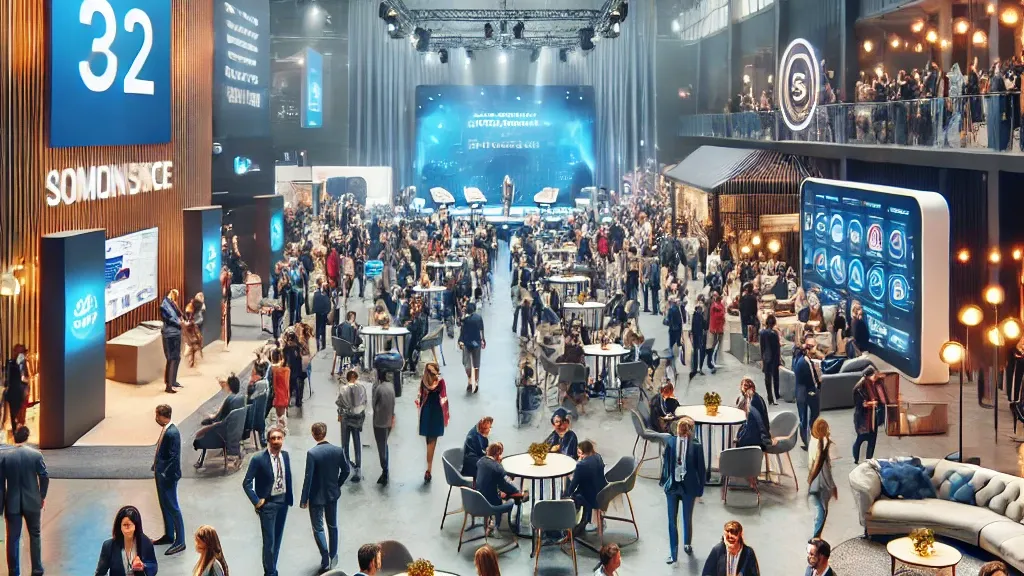
Experiential marketing has dramatically transformed brand engagement in recent years, creating new opportunities for meaningful interactions between businesses and their audiences. Unlike conventional, passive advertising approaches such as print ads or TV commercials, experiential marketing relies on immersive experiences that encourage real-time interaction and emotional connection. These hands-on brand moments help businesses stand out by creating memorable impressions that resonate long after an event ends, making experiential marketing a powerful strategy for building trust and loyalty.
This approach has led many brands to partner with specialized agencies such as Assist Marketing Inc., a full-service experiential marketing and event staffing agency that supports live events, on-ground campaigns, and brand activations across the United States. With more than 14 years of industry experience and access to a nationwide database of over 70,000 qualified field staff, Assist Marketing Inc. has built a strong reputation as an authority in experiential marketing. Their expertise in executing scalable, well-staffed campaigns enables brands to increase visibility, create meaningful consumer touchpoints, and drive long-term engagement in competitive markets.
Understanding Experiential Marketing
Experiential marketing focuses on delivering memorable, hands-on experiences that enable consumers to interact with a brand in a direct and often sensory-rich way. Unlike traditional advertising, which is generally limited to visual and auditory engagement via television, radio, or print, experiential marketing actively involves participants and engages multiple senses, such as sight, sound, touch, and sometimes even taste or smell. This approach not only increases overall brand awareness but also cultivates a much stronger emotional bond between the consumer and the brand. For example, attendees might touch and use products at a pop-up booth, participate in interactive games or demonstrations, and share their feedback instantly. These tangible experiences encourage attendees to share their excitement with friends in real time or on social media, sparking valuable word-of-mouth promotion and user-generated content. As a result, brands that invest in experiential marketing often benefit from natural, organic advocacy and build lasting relationships with their audience.
The Role of Live Events
Live events offer a powerful, dynamic platform for experiential marketing by enabling face-to-face engagement between brands and the individuals they aim to reach. These events—which include everything from product launches and trade shows to music festivals, community celebrations, and sporting events—provide a unique opportunity for brands to convey their personality, mission, and vision in a more immediate, human way. Through live events, attendees can physically experience a product, interact with company representatives, and participate in creative activities designed to reinforce brand messaging. The authenticity and energy of these moments make live events particularly effective for building strong bonds of trust and cultivating customer loyalty.
Technological Advancements in Experiential Marketing
Technology has played an increasingly important role in the evolution of experiential marketing, enabling brands to create highly immersive and interactive environments that capture participants’ imagination. Virtual reality (VR), augmented reality (AR), and mixed reality (MR) open a world of possibilities, allowing consumers to step directly into a brand’s story in ways previously unimaginable. For instance, Marriott Hotels introduced the ‘VRoom Service,’ a pioneering initiative allowing guests to order VR headsets and enjoy virtual travel experiences in their hotel rooms, virtually visiting extraordinary locations across the globe without leaving their beds. Such initiatives not only showcase Marriott’s dedication to technological innovation but also provide hotel guests with shareable, unique experiences they associate with the brand. Beyond VR and AR, brands are experimenting with mobile apps, interactive kiosks, RFID badges, and social media integration to extend the reach and longevity of each experience, gathering valuable data throughout the process.
Measuring the Impact of Experiential Marketing
Effectively measuring the success of experiential marketing is both an art and a science—while some results are tangible, many benefits are qualitative. Nevertheless, quantifiable metrics such as event attendance, leads generated, conversions, and brand mentions across social platforms are essential benchmarks for evaluating return on investment. Brands typically use post-event surveys to assess participants’ satisfaction, perception shifts, and likelihood to recommend the brand to others. In addition, social media engagement—including posts, shares, likes, and hashtags—can offer more profound insight into the campaign’s reach and resonance. Notably, a study conducted by Spiro found that 80% of attendees at technology-focused events and an impressive 93% at consumer packaged goods events reported purchasing the brand after attending a live experience. These statistics underscore the significant potential for experiential marketing to not only raise awareness and change attitudes but also directly influence purchasing behavior and customer loyalty.
Future Trends in Experiential Marketing
The future of experiential marketing will be defined by greater focus on personalization, technology, and inclusivity. Artificial intelligence (AI) and machine learning are increasingly being used to tailor experiences to individual preferences, ensuring each participant feels uniquely valued and engaged. For instance, brands can now use AI to recommend relevant activities at events, customize product demonstrations, and personalize follow-up communications to drive higher engagement. Additionally, hybrid events that blend live, in-person elements with virtual components are rapidly gaining traction—especially in the wake of a global shift to digital engagement. These hybrid models allow companies to extend their reach far beyond physical venues, engaging remote participants with live streams, interactive chat, and virtual reality spaces while maintaining the energy and intimacy of traditional events.
Conclusion
Experiential marketing—primarily through dynamic live events—empowers brands to build meaningful and lasting connections with consumers in today’s crowded, fast-paced market. By leveraging technological innovation and focusing on hands-on, memorable experiences, companies encourage emotional loyalty and engagement that goes far beyond a single touchpoint. As the landscape of experiential marketing evolves, keeping pace with emerging technologies, creative trends, and changing consumer preferences will be crucial for brands seeking to maximize the power of real-world engagement and drive long-term success.