Event organizers play a key role in managing logistics and the security of sensitive information about guests. As events grow in size and complexity, the importance of safeguarding personal data becomes paramount. This encompasses a range of data, from invitations and RSVPs to payment details and dietary preferences. The evolving landscape of cyber threats makes it important for event organizers to implement strong security measures. Protecting sensitive information builds trust with guests and is important for compliance with data protection regulations. In light of increasing cyberattacks, event planners must stay vigilant and proactive. By understanding potential vulnerabilities and employing best practices, they can significantly reduce the risk of data breaches.

The Rising Threat of Data Breaches
Recent years have seen a surge in data breaches across various industries, highlighting a growing concern for event organizers. According to a report from IBM, the average cost of a data breach is around $4.24 million, taking into account the fines, recovery efforts, and reputational damage. Event planners are now more susceptible to cyberattacks as many events require online transactions and digital ticketing. If a breach occurs, it can lead to significant financial loss, and the trust between organizers and guests can severely falter.
Hackers target events due to the trove of personal information collected, which can be lucrative on the dark web. Event organizers fail to implement adequate cybersecurity measures, making them prime targets. Understanding this landscape is the first step forward in protecting guest information against malicious actors.
Implementing Robust Cybersecurity Measures
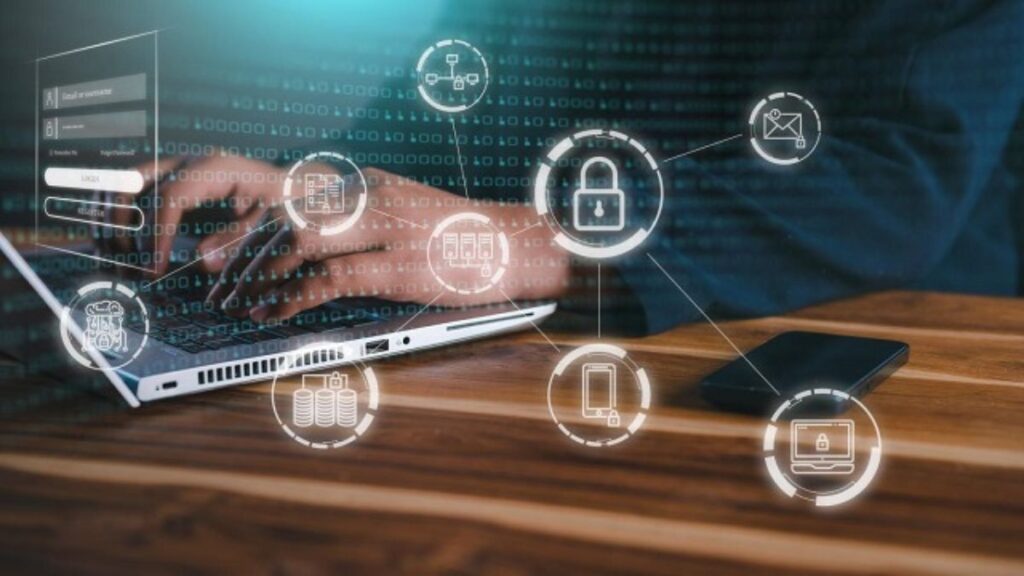
To mitigate data breaches, event organizers must adopt advanced cybersecurity protocols. This includes employing firewalls, intrusion detection systems, and encryption technologies. Employing staff trained in cybersecurity best practices is equally important. Regular training sessions can prepare them to identify phishing attacks and handle sensitive data responsibly.
Utilizing secure payment gateways and ensuring compliance with Payment Card Industry Data Security Standards (PCI DSS) enhances protection. Backup systems are crucial for data recovery in case of an incident. Standards like how Zero Trust Network Access protects remote work, are becoming invaluable, enabling organizations to verify user identities and limit data access. These layered security efforts create a more secure environment for both planners and attendees.
Data Access and Sharing Policies
Another critical aspect of safeguarding guest information is establishing strict data access and sharing policies. Event planners must determine who has access to specific data and the extent of that access. Limiting data access on a need-to-know basis minimizes exposure and potential leaks. When sharing data with third parties, thorough vetting is essential. Organizers should ensure that vendors or partners comply with similar data protection protocols before any information is shared.
Implementing agreements that define data usage and protection roles can minimize risks. Transparent communication with guests about how their data is utilized fosters trust and may even enhance their experience. Listening to their concerns about data protection and addressing them adequately promotes a safer organizational climate.
Utilizing Technology for Enhanced Security
The role of technology in protecting sensitive information cannot be overstated. Event organizers can leverage applications that specialize in encryption, authentication, and data monitoring. These tools allow them to keep track of data access and identify any suspicious behavior in real time. Mobile event apps, which enhance attendee experience, should prioritize data protection.
Implementing multi-factor authentication adds a security layer, making it harder for cybercriminals to gain unauthorized access. Continuous monitoring of technology platforms ensures that vulnerabilities are addressed proactively. Keeping software and systems updated protects against emerging threats. The refusal to invest in technological advancements ultimately exposes organizers to unnecessary risks.
Regular Audits and Assessments
Conducting regular security audits is important for assessing the effectiveness of existing measures. These audits help identify weaknesses in data security and highlight areas for improvement. By reviewing incident reports and accountability measures, event planners gain insights into potential vulnerabilities.
Scheduling periodic assessments allows organizers to stay ahead of evolving cyber threats. It’s not enough to put measures in place; they require evaluation and adjustment over time. Seeking external audits adds a layer of credibility and offers perspectives beyond those of internal teams.
Educating Attendees about Data Security
While event organizers are responsible for protecting sensitive information, educating attendees about data security can bolster collective efforts. Providing guidelines on how guests can protect their data before, during, and after the event can minimize risks. Encouraging attendees to use strong passwords, avoid public Wi-Fi for sensitive operations, and be cautious about sharing personal information can create a more secure environment.
Offering sessions or materials that highlight data protection during the event can empower attendees to take their security seriously. Everyone involved shares a responsibility to ensure a safe and enjoyable experience, and awareness is a fundamental part of that equation.
 Effective safeguarding of sensitive guest information is not just about compliance; it’s about establishing trust and credibility. By understanding potential threats and proactively implementing structured security measures, event organizers can significantly mitigate risks. With the increase in data breach incidents, prioritizing data protection has never been more significant. As technology continues to advance, so do security needs. Staying informed and prepared equips planners to navigate a rapidly changing landscape without compromising guest safety.