
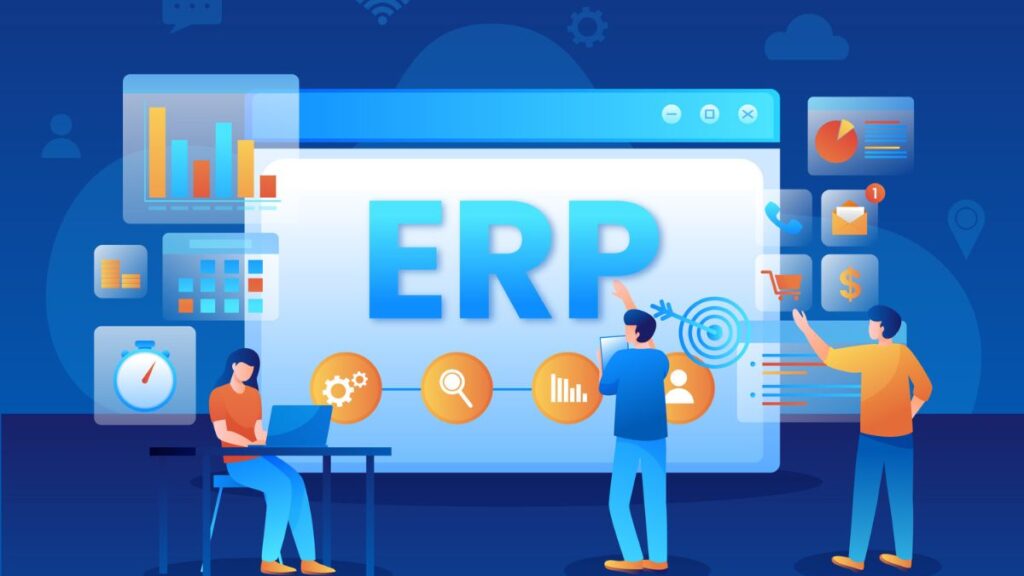
In the current competitive business landscape, the quest for efficiency and streamlined operations is relentless. Enterprise resource planning (ERP) software has emerged as a vital tool that binds various strands of business processes together. It enables organizations to operate more effectively by providing a single source of real-time data. An enterprise resource planning software is no longer a luxury but a necessity for businesses seeking to thrive in a data-driven environment.
The Role of ERP Software in Streamlining Business Operations

ERP software functions as the central nervous system of a business, integrating core processes necessary for running a company into a unified system. This centralization of business functions allows for improved data flow, eliminating data silos and ensuring that different departments access consistent and accurate information. By doing so, it enhances collaboration and productivity, allowing employees to focus on their core tasks instead of worrying about administrative complexities.
One of the fundamental benefits of ERP is its ability to automate routine tasks. Catching errors, processing orders, tracking inventory, and managing finances become much more manageable with ERP software. Automation not only speeds up these processes but also reduces the potential for human error, resulting in higher accuracy and reliability in business operations.
ERP systems also support regulatory compliance across various industries by maintaining data integrity and providing detailed audit trails. Compliance is crucial for businesses to avoid legal issues and financial penalties. With the help of ERP software, companies can more easily meet regulatory requirements and maintain their reputations as trusted entities.
The adaptability of ERP systems to various business models is yet another advantage. Whether an organization is in manufacturing, retail, healthcare, or any other sector, ERP software can be customized to meet the specific challenges of each domain, making it an asset for companies of all sizes and specialties.
Enhancing Decision-Making with Real-Time Data From ERP Systems

Modern ERP systems offer real-time data analytics, providing management with the information they need to make informed decisions swiftly. This immediacy is critical in a fast-paced business environment where delays can result in lost opportunities or increased costs. By offering insights into sales trends, financials, and operational metrics, ERP solutions can be instrumental in shaping strategic initiatives.
Data-driven decision-making also allows businesses to pinpoint areas of improvement across their operations. An ERP system’s reporting tools often include dashboards that highlight performance indicators and patterns. Managers can use these insights to strategize on increasing efficiency, reducing wastage, and optimizing resource allocation.
Moreover, by utilizing predictive analytics capabilities within ERP systems, organizations can anticipate market changes and consumer behaviors. This forward-looking approach enables companies to stay ahead of the curve by adjusting their strategies proactively, rather than reacting to situations after they have unfolded.
With the integration of artificial intelligence and machine learning, ERP platforms are becoming even more sophisticated in their analysis, offering predictions and recommendations that fine-tune decision-making processes. As such, ERP is evolving into an even more critical tool for maintaining competitiveness in an ever-changing business world.
ERP Integration: Connecting Various Departments for Increased Efficiency

When departments within a business operate in silos, efficiency suffers. ERP integration serves as a remedy by joining disparate sectors such as accounting, HR, supply chain management, and customer relationship management into a cohesive unit. This connectivity eliminates the need for multiple software solutions and ensures that all departments are working with the same data set.
Inter-departmental communication is vastly improved with ERP integration as well. For instance, a change in inventory levels can immediately trigger a purchasing order by the procurement department, all within the same system. This level of integration ensures that reactions to internal and external business events are quick and coordinated.
The sharing of customer information across departments can also enhance service delivery and customer satisfaction. With an integrated ERP system, the sales, customer service, and marketing departments can all access client histories and preferences, enabling them to provide personalized services and support.
By facilitating more efficient business processes, ERP integration doesn’t just help save time and resources; it also contributes to a more agile business that can adapt rapidly to changing demands or market conditions.
Overall, the transformative power of ERP software on modern businesses is undeniable. ERP’s positive impact on decision-making, efficiency, and ultimately on ROI, establishes it as an indispensable asset for contemporary business practices.