
Introduction
In today’s competitive business environment, innovation drives growth and resilience. One often overlooked but remarkably effective approach to cultivating a culture of innovation is building truly diverse teams. By defining diversity in the workplace and actively recruiting team members from diverse backgrounds, organizations gain fresh perspectives that challenge assumptions, spark creativity, and lead to original solutions.
While diversity provides the raw material for innovation, inclusive leadership turns those differences into organizational strengths. Teams of varied experiences and worldviews can break through stagnation, introducing creative solutions that homogeneous teams may overlook. Saturating the workplace with unique voices and experiences isn’t just a human resources box to check—it is a strategic imperative for those looking to lead in their industry.
Enhancing Creativity Through Diverse Perspectives
Diversity in teams means more than just mixing genders or ethnicities—it cultivates an environment where unique life experiences, educational backgrounds, and professional skills converge. Creative collisions are more likely to happen when teams are made up of individuals who see the world differently. This diversity of thought pushes boundaries and disrupts groupthink, which is key to innovation that leads to breakthroughs and market leadership. Research from Harvard Business Review confirms that diverse teams are better at solving complex, non-routine problems, underscoring the business value of embracing difference.
The Role of Inclusion in Maximizing Diversity
Diversity alone is not enough. Without an inclusive team culture—where all voices are truly heard, respected, and acted upon—the benefits of diversity often go unrealized. Inclusion is about creating an environment where people of all backgrounds can contribute fully and have their ideas given serious consideration. Studies on gender and racial diversity repeatedly show that companies with inclusive cultures see bigger returns on their investment in diversity. When team members feel psychologically safe, they’re more innovative and engaged, driving greater collective intelligence and team success.
Financial Benefits of Diverse Leadership
The business case for diversity extends far beyond social responsibility. According to a McKinsey & Company report, organizations in the top quartile for gender and ethnic diversity on executive teams were 39% more likely to outperform financially than those in the bottom quartile. Diverse leadership teams mirror the broader customer base, making solutions more relevant and better positioned to spot growth opportunities and mitigate risk. This is why industry leaders like the Financial Times advocate for strategic investment in leadership diversity as a core growth driver.
Strategies for Building Diverse and Inclusive Teams
Creating diverse and inclusive teams requires sustained, intentional action. Some effective strategies include:
-
Intentional Hiring Practices: Develop recruitment processes that reach underrepresented groups, ensuring job postings are accessible and unbiased.
-
Inclusive Culture: Build an environment that celebrates differences, encourages authenticity, and promotes collaboration across boundaries.
-
Continuous Education: Offer diversity, equity, and inclusion training to help team members recognize unconscious bias and build cultural competence.
-
Leadership Commitment: Cultivate proactive sponsorship from top leadership, setting the standard for inclusivity from the top down.
Overcoming Challenges in Diverse Team Management
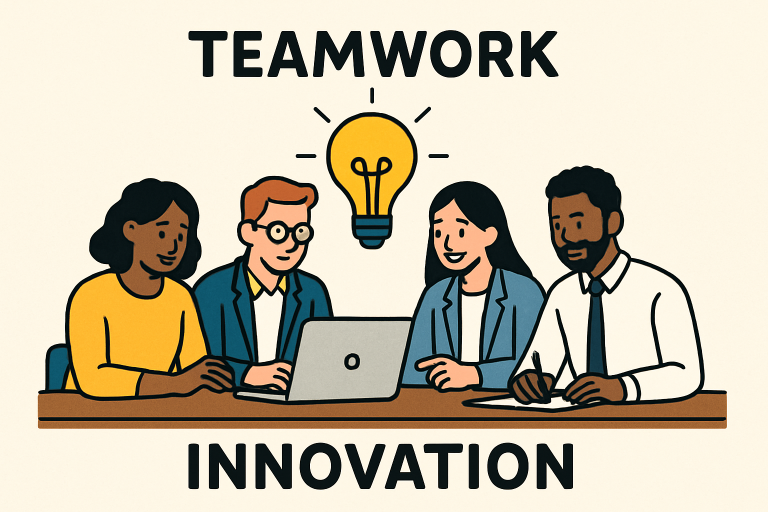
While the advantages of diverse teams are clear, they don’t come without challenges. Differences in communication styles, values, and conflict resolution approaches can sometimes create friction. Organizations can successfully manage these obstacles by promoting transparent and respectful communication, equipping teams with conflict resolution skills, and fostering empathy through structured team-building activities. Leaders should set clear expectations and goals so that all team members work toward a shared vision, transforming diversity from a challenge into a competitive edge.
Case Study: Wegmans’ Innovative Approach
Wegmans Food Markets offers a powerful example of how inclusive cultures drive innovation. In 2014, meal coach Jody Wood proposed offering cauliflower rice—a nutritious choice inspired by her insight into her husband’s diabetes diagnosis. Thanks to Wegmans’ longstanding commitment to listening to employees and empowering diverse voices, the idea quickly moved from suggestion to reality. The rollout supported healthier customer choices and positioned Wegmans as a forward-thinking grocer. This real-world story highlights how fostering an open and inclusive environment unlocks practical innovations directly impacting the bottom line.
Conclusion
Building diverse and inclusive teams is more than just good optics—it’s a powerful strategy for unlocking an organization’s full creative and competitive potential. By defining diversity in the workplace and embracing diversity and strong inclusion practices, teams move faster, solve problems more creatively, and drive better business results. When organizations invest in intentional diversity strategies, supported by inclusive leadership, they lay the groundwork for ongoing innovation, resilience, and success.