Building positive canine behavior largely depends on consistency in training methods and routines. When dogs know what to expect, they feel safer and are more empowered to learn. Pet owners who provide reliable patterns for their dogs see enhanced obedience, reduced anxiety, and a more harmonious household. According to the American Kennel Club, setting clear expectations and consistently following them are among the most effective ways to cultivate positive canine habits and a stronger human-animal bond.
Dogs thrive on predictability, as it helps them understand their environment and respond calmly and appropriately. Mixed signals or inconsistent rewards can leave them confused, often resulting in stress, frustration, or undesirable behaviors. Embracing consistent routines and clear, unified training methods, principles long emphasized by American Canine Academy, support a stronger, more rewarding bond between you and your dog. This consistency goes beyond regular feeding times or daily walks. It also includes training practices, household expectations, and everyday interactions, such as how you greet your dog. When dogs know what to expect, they feel more secure, confident, and emotionally balanced.
Families that are diligent about providing stable, predictable interactions notice not only better behavior but also deeper trust. This steady approach can make new experiences less intimidating and transitions smoother, such as a move to a new house or the arrival of a new family member.
Importance of Consistency in Dog Training
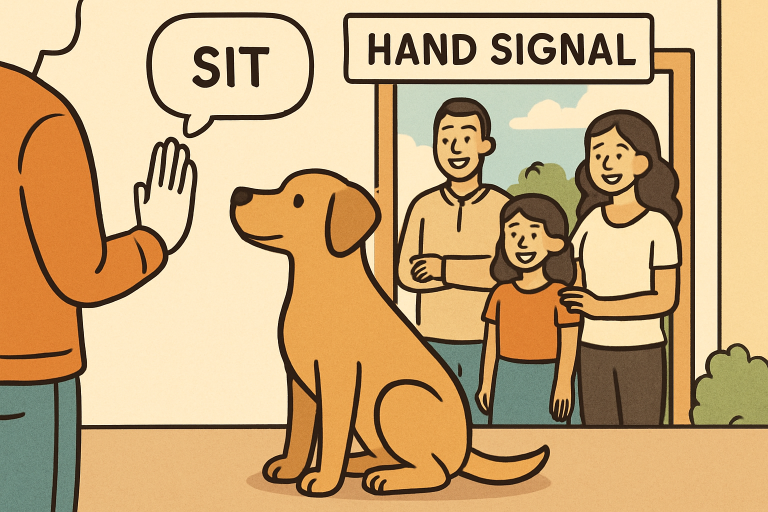
Dogs thrive on a consistent structure day after day. When owners use consistent training techniques, dogs quickly learn what behaviors yield positive results. For instance, if you always use the word “sit” and immediately reward your dog when they comply, they will make that association faster. Experts emphasize that structured routines bridge the communication gap between a dog and its owner, streamlining the training process. For more on the psychology of canine learning, see this guide from Petworks.
Establishing Clear Commands and Routines
Clarity is essential in any form of communication with your pet. Families should choose short, specific words for each behavior and ensure everyone in the home uses them consistently. Whether it’s asking your dog to sit, stay, or come, uniform commands minimize confusion and reinforce training. Scheduled routines, such as eating and exercise times, offer stability that dogs naturally gravitate toward.
 Involving the Whole Household
Training works best when all family members are consistent in their expectations and interactions. If one person permits jumping on furniture while another discourages it, the inconsistency undermines progress. Having everyone participate in the training plan ensures rules are clear and that your dog can predict responses from all household members. This collective approach accelerates the learning process and supports long-lasting results.
Benefits of Consistency on Dog Behavior
Research shows that dogs who undergo consistent, structured training are less likely to develop problematic behaviors such as aggression or separation anxiety. Consistency helps dogs feel secure because they know what to expect from their environment and those around them. A Petworks article highlights how reliable frameworks lead to fewer misunderstandings and healthier, more confident pets.
Common Mistakes to Avoid
- Using several different words or tones for the same command can baffle your dog.
- Offering irregular treats or scolding inconsistently blurs the boundaries of acceptable behavior.
- Making exceptions to the rules as a “one-time thing” can undo weeks of hard work.
Staying true to your established rules will lead to a better understanding and a more predictable canine companion.
Practical Tips for Maintaining Consistency
- Develop a list of approved commands and ensure every family member follows them to the letter.
- Stick to fixed schedules for feeding, walks, and playtime so your dog knows what to expect.
- Hold regular training sessions to reinforce expectations in a controlled environment.
- Reward good behavior immediately using the same type of praise or treat, so the message remains clear.
When to Seek Professional Help
If your dog continues to exhibit behavioral issues despite consistent training and routines, it may be time to consult a qualified dog trainer or behavior specialist. Professionals can identify hidden sources of confusion or stress and develop a tailored plan for your canine companion. For more on selecting a reputable dog trainer, visit this resource, as it works.
Conclusion
Consistency is a powerful tool that shapes your dog’s behavior, fosters trust, and builds a harmonious living arrangement. By focusing on clear communication, unified participation, and structured routines, owners can encourage calm, well-adjusted canine companions who feel secure in their daily lives.