Compassion is the cornerstone of effective home care, transforming routine assistance into meaningful support that truly enhances lives. For individuals and families seeking care, a compassionate approach is what separates standard services from genuinely life-enriching experiences. Caregivers who demonstrate empathy not only assist with daily activities but also foster a sense of dignity and emotional well-being in their clients. Dedicated home health aides Brooklyn NY set a distinctive example of the difference compassionate care can make within the home environment. Their approach goes beyond simply assisting with tasks; they actively engage with the emotional and psychological needs of those they support, creating a space where clients feel understood and valued.
The practice of home care extends far beyond medical support or task-based help. Compassionate caregivers recognize the personal, emotional, and psychological needs of their clients, weaving kindness and understanding into every interaction. This foundation of empathy paves the way for stronger client relationships and more effective care outcomes. When compassion is integrated into every action—whether it’s preparing a meal or offering a listening ear—the entire care experience becomes more fulfilling for both the caregiver and the recipient. A compassionate lens also allows caregivers to recognize subtle changes in the client’s condition or mood, prompting proactive care adjustments that can prevent complications and foster well-being.
Understanding Compassion in Home Care
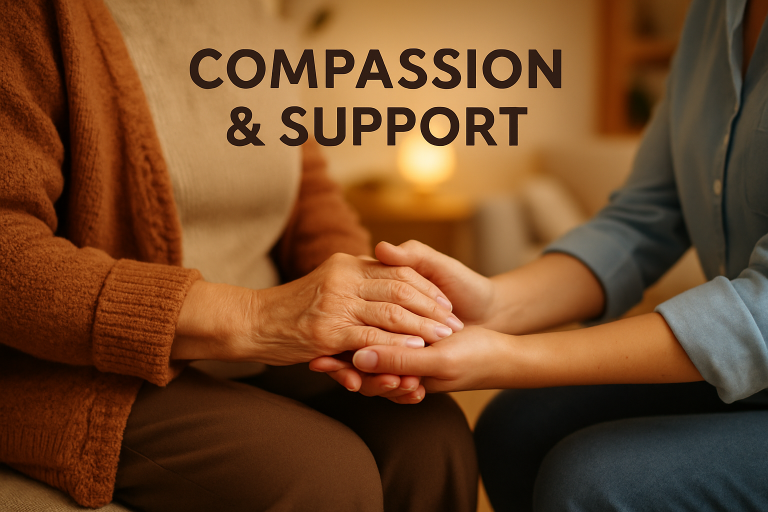
Compassion in home care means looking beyond physical care tasks to see the whole person. It requires attentive listening, responding to emotional cues, and offering reassurance during difficult moments. Compassionate caregivers recognize that aging or dealing with illness can be isolating and strive to create an atmosphere of warmth and acceptance. This can greatly reduce feelings of stress or anxiety among clients, making their home a space of true comfort. When caregivers offer gentle encouragement or share a comforting conversation, they help restore a sense of normalcy and hope, even in the face of life’s most serious challenges. Over time, these acts of compassion can transform the perception of care from being a necessity to being a source of genuine connection and support.
Trust is the bedrock of every meaningful caregiver-client relationship. It’s developed through reliability, integrity, and genuine respect for each client’s individuality. Caregivers foster trust by consistently showing up on time, honoring privacy, and respecting personal boundaries. Active listening, where caregivers give clients their full attention and validate their feelings and preferences, is also critical. Building trust leads to more cooperative relationships and better care outcomes. When clients know they can rely on their caregivers, they are more likely to communicate their needs and accept help. This trust forms the cornerstone for addressing sensitive matters, such as discussing health decline or creating plans for future needs, allowing clients to maintain autonomy while receiving support.
Personalized Care Approaches
No two clients are the same, meaning a one-size-fits-all approach is rarely effective in home care. Caregivers should design care plans that respect clients’ lifestyles, routines, and preferences. Flexibility is key—altering routines as necessary to accommodate a client’s comfort, incorporating their favorite hobbies, or making minor changes to suit evolving health needs all contribute to more meaningful care. When individuals feel their unique needs are acknowledged, their engagement and satisfaction naturally increase. By supporting clients in maintaining their hobbies or incorporating cherished traditions, caregivers honor their life stories and individuality. Personalized care approaches are especially important for clients living with memory loss or chronic conditions, as routines tailored to their individual preferences can help ease confusion and foster greater overall well-being.
Effective Communication Strategies
Effective communication is more than just exchanging information—it is the vehicle through which compassion is delivered. Caregivers should use straightforward, respectful language, paying close attention to body language, facial expressions, and tone of voice. Encouraging clients to voice their wishes and concerns not only empowers them but also ensures that their needs are addressed in real-time. The AARP highlights that communication founded on empathy enhances client well-being and can reduce confusion or anxiety. Open dialogue between caregivers, clients, and families helps identify changes in needs quickly, allowing care to be adapted promptly and appropriately. Clear and compassionate communication also helps clients and their families navigate difficult decisions, promoting shared understanding and trust.
Involving Family in the Care Process
Family members have intimate knowledge of the client’s history, habits, and preferences, making them essential contributors to the care process. By cooperating with family, caregivers gain valuable insights that facilitate the development of truly personalized care plans. Regular family participation ensures continuity in care and provides the client with a robust support system, which can lead to better emotional and physical outcomes. Transparent communication between families and caregivers is integral to holistic care. Involving family members also relieves some stress from the primary caregiver and reassures loved ones that their family member’s values and preferences are being respected. Ultimately, a collaborative approach creates a broader circle of care, offering support from multiple perspectives and improving the client’s overall quality of life.
Benefits of Compassionate Care
Compassionate care delivers measurable benefits not only to clients but also to caregivers and family members. Clients who receive empathetic support often experience improved emotional health, reduced feelings of loneliness, and swifter recovery from illness or injury. Compassion also translates to higher levels of trust and satisfaction, fostering partnerships that empower clients to participate in their care decisions. Multiple studies have demonstrated a direct link between compassionate care and improved patient quality of life. For caregivers, practicing compassion fuels job satisfaction and purpose, offering emotional rewards that offset the challenges of their role. Family members, meanwhile, gain peace of mind knowing that their loved ones are being treated with respect and kindness, leading to reduced stress and increased confidence in the care process.
Training and Support for Caregivers
For compassion to flourish in home care, caregivers must have access to training and support that helps them continually refine their skills. Training in empathy, active listening, and stress management prepares caregivers for the emotional complexities of their role. Workshops and support resources also address potential burnout, promoting both caregiver well-being and high-quality client support. Forward-thinking agencies prioritize the development of their staff, ensuring that caregivers are equipped to deliver sensitive, compassionate care every day. Ongoing education opportunities keep caregivers informed about new communication strategies, health issues, and best practices for maintaining compassion in high-pressure situations. By investing in caregiver support, agencies lay the groundwork for excellence in client care and cultivate a work environment where compassion is sustained.
Conclusion
Compassion is not just a desirable quality—it’s an essential element that elevates the standard of home care. Through empathy, trust-building, personalized approaches, effective communication, and family involvement, caregivers can dramatically enhance the quality of life for their clients. Supporting and training caregivers further ensures that compassion remains at the core of home care services, benefitting individuals and communities alike. A culture of compassion in home care not only touches clients’ lives but also shapes a more caring, attentive, and resilient society. When caregivers lead with heart, everyone benefits—the individual, the family, and the greater community.