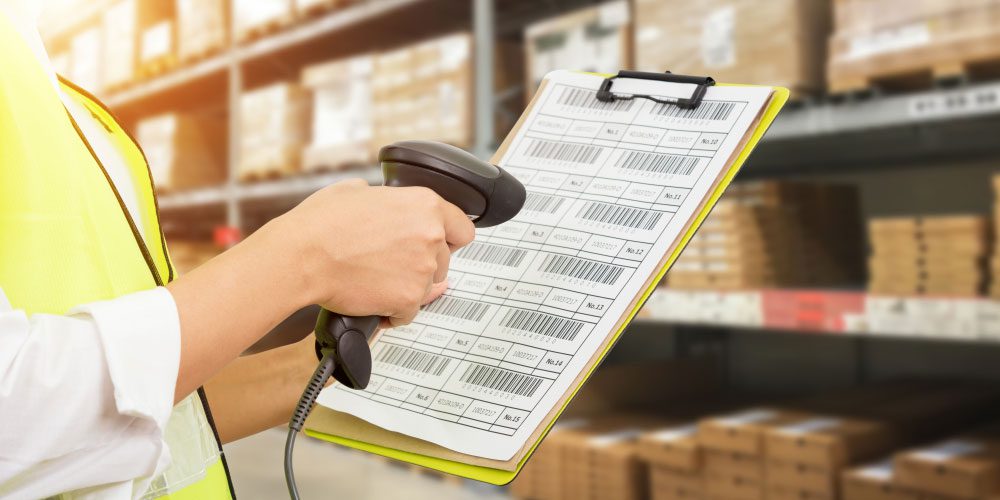
Efficient inventory management can make or break an organization’s operations. The evolution of barcode scanning technology has dramatically transformed this process across many industries. By automating what used to require excessive manual effort, barcode scanners have paved the way for increased accuracy, streamlined workflows, and scalable data integration—attributes now considered fundamental for success.
Adopting inventive solutions, such as an Android-based barcode scanner, enables businesses to choose devices tailored to their specific inventory needs. This smart investment brings flexibility and ensures compatibility with modern software, making inventory processes smoother and more reliable from the warehouse to the sales floor.
As businesses expand, handling ever-growing inventories can overwhelm outdated manual methods. Barcode scanners eliminate these bottlenecks, helping companies keep pace with rising demand, meet customer expectations, and minimize costly delays. Their reliability is especially crucial in logistics and retail, where fast, accurate stock tracking directly influences customer satisfaction and profitability.
From small e-commerce startups to established manufacturers, implementing a barcode system empowers teams to monitor, manage, and analyze stock levels effortlessly. Organizations gain the visibility necessary for data-driven decision-making and proactive inventory planning through automation. This ultimately leads to greater operational agility in a highly competitive marketplace.
Enhancing Accuracy and Efficiency
Manual inventory processes are fraught with risk—misplaced items, paperwork errors, and data mismatches can spell disaster for any company. Barcode scanners eradicate much of this human error, creating a virtually foolproof system of record. Employees can scan products in seconds, resulting in more reliable inventory data and drastically reducing potential mistakes that can lead to costly stock discrepancies.
Speed is another major benefit. Traditional inventory audits, which once took days or even weeks, are now accomplished in a fraction of the time. Barcode scanners make cycle counts, order picking, and stocktaking procedures more efficient, enabling companies to reallocate valuable labor to more strategic tasks. Reliability and efficiency are decisive for supply chain leaders navigating today’s challenges.
Real-Time Inventory Tracking
Visibility is paramount in inventory management. Barcode scanners provide real-time updates as goods are received, shipped, or relocated within a warehouse. With instant inventory data, businesses can respond proactively to demand shifts, replenishment needs, and sales trends.
This capability ensures optimal stock levels, reduces the risk of stockouts or excess inventory, and enhances the customer experience by fulfilling orders accurately and on time. By leveraging up-to-date information, managers can make faster, more informed decisions directly impacting the bottom line. Barcode scanning also minimizes manual errors that can occur during data entry, improving overall accuracy and operational efficiency. Over time, this streamlined process can lead to significant cost savings and better resource allocation. Additionally, real-time tracking allows for easier auditing and regulatory compliance, especially in industries with strict oversight. Integrating barcode technology with inventory software also supports predictive analytics, helping businesses forecast future needs more precisely.
Integration with Advanced Technologies
Modern barcode systems are far more than simple tracking tools—they are the foundation for technology-driven inventory operations. Integrating barcode scanners with Artificial Intelligence (AI) and the Internet of Things (IoT) unlocks new opportunities for predictive analytics, automated replenishment, and data synchronization across digital platforms.
AI-driven algorithms can analyze the vast amounts of data collected from barcode scans to forecast trends, detect inefficiencies, and recommend optimization strategies. With IoT connectivity, sensors and smart devices collaborate to deliver seamless supply chain visibility from end to end. This convergence of technologies creates a brilliant inventory ecosystem.
Cost Savings and Productivity Gains
The shift to barcode-based inventory management brings measurable economic advantages. By minimizing errors and automating labor-intensive processes, businesses save on operational costs associated with reconciling inventory discrepancies, processing returns, and training staff for complex manual procedures.
Employees can focus on higher-level priorities, such as customer service, process improvement, and strategic planning. Precise inventory records also help prevent overstocking and understocking, reducing waste and maximizing capital efficiency across the supply chain.
Future Trends in Barcode Technology
Barcode scanners are transforming the way warehouses manage inventory, and the integration of augmented reality (AR) and blockchain is enhancing efficiency. AR overlays real-time instructions and product information, reducing picking errors and expediting fulfillment. Blockchain provides security and transparency, ensuring traceability of transactions and product movements, eliminating fraud, and simplifying regulatory compliance. As organizations embrace digital transformation, barcode technology will remain vital for smarter, more efficient, and responsive inventory management.