Introduction
As modern enterprises accelerate to cloud-first strategies, they unlock unprecedented flexibility and scalability. However, this evolution into the digital age also introduces greater exposure to advanced and persistent threats. To sustain business momentum securely, organizations must rethink their security frameworks for maximum resilience and adaptability. One of the key defenses for cloud-driven companies is leveraging solutions like a next-gen firewall, which delivers fine-grained control and integrated security across cloud infrastructures.
In the pursuit of operational efficiency and digital transformation, cloud-first approaches offer exceptional benefits but simultaneously broaden the attack surface. Threat actors continue to evolve their tactics, making traditional perimeter-based security insufficient for dynamic, distributed environments. Protecting sensitive data and critical systems in the cloud now hinges on employing proactive, context-aware strategies built to adapt quickly to the threats themselves.
An effective security posture for cloud-first businesses requires advanced technologies, strategic foresight, and an organizational culture prioritizing privacy and compliance. As security responsibilities shift—with vendors and organizations sharing accountability—understanding modern risks and solutions becomes critical for IT leaders.
This article delivers actionable insights into cloud security challenges, explores leading-edge architectures, and shares best practices to equip businesses with resilient, future-ready security foundations.
 Understanding Cloud Security Challenges
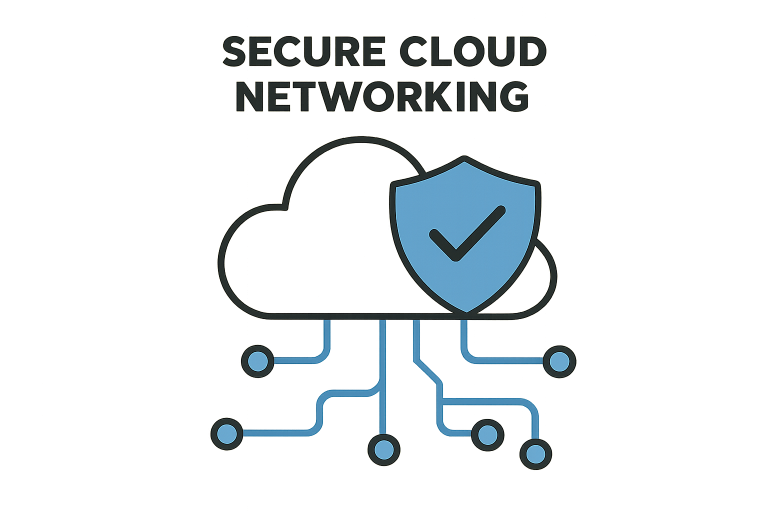
Today’s cloud-first businesses face a rapidly evolving threat landscape. Sensitive data, applications, and workloads now reside across public clouds, private data centers, and SaaS platforms. Unlike traditional network perimeters, cloud deployments are decentralized and ephemeral, complicating visibility and enforcement. As a result, risks such as misconfigurations, unauthorized access, and API vulnerabilities become leading attack vectors.
Gartner predicts that most cloud security failures will be the customer’s fault through 2025, frequently stemming from gaps in identity management, policy enforcement, or insufficient controls in complex cloud environments. Data breaches—often caused by credential theft, mismanaged permissions, or unencrypted storage—can have severe operational and reputational consequences. Regulatory compliance adds a layer of complexity, with organizations needing to address diverse standards like GDPR, HIPAA, and CCPA when data traverses multiple jurisdictions.
In this landscape, attackers capitalize on the pace of cloud adoption, exploiting any lag in security controls or skill gaps within organizations. Cloud misconfigurations, weak passwords, and insecure APIs continue to be leading causes of breaches, underscoring the importance of comprehensive cloud knowledge, shared responsibility, and automation in modern defense strategies.
Advanced Security Architectures
To address these multifaceted threats, businesses are adopting advanced security paradigms tailored to cloud environments. Zero Trust and Secure Access Service Edge (SASE) are two of the most integral approaches.
Zero Trust
Zero Trust operates on a simple principle: never trust, always verify. Instead of assuming anything inside the corporate network is safe, it continuously authenticates and authorizes every interaction, user, and device. Micro-segmentation, least-privilege access, and adaptive authentication are key elements that restrict lateral movement and reduce the blast radius of potential breaches.
Secure Access Service Edge (SASE)
SASE converges networking and security into a single cloud-delivered framework, allowing secure connectivity for users no matter where they are located. By integrating features like safe web gateways, cloud access security brokers (CASB), and firewall-as-a-service under one architecture, SASE ensures consistent protection for remote employees and distributed resources. This model provides organizations flexibility, scalability, and granular policy enforcement, essential for safeguarding modern, decentralized workforces.
Leading analysts highlight SASE and Zero Trust as critical frameworks for the future of enterprise security, making their adoption indispensable for competitive, cloud-first businesses.
Best Practices for Cloud Security
Robust cloud security hinges on aligning technologies, processes, and people. The following best practices provide a holistic foundation for protecting cloud workloads and ensuring regulatory compliance:
- Regular Policy Reviews: Update security policies and procedures to reflect the evolving risks of cloud platforms and the latest regulatory requirements.
- Continuous Security Audits & Assessments: Routinely audit cloud configurations, identities, and access controls. Automate vulnerability management wherever possible to spot weaknesses early.
- Employee Security Training: Foster a culture of security awareness by training users to recognize phishing threats, use secure passwords, and report suspicious activity.
- Comprehensive Encryption: Encrypt sensitive data both at rest and in transit. Use strong, well-managed cryptographic keys to reduce risk from breaches or data interception further.
- Multi-Factor Authentication (MFA): Mandate MFA for access to all cloud environments and applications. This simple step drastically reduces the success rate of credential theft attacks.
- Automated Incident Response: Integrate advanced detection and response solutions capable of spotting suspicious activities and automating initial triage to minimize exposure time.
- Vendor Risk Management: Carefully vet cloud service and SaaS providers. Ensure clear delineation of security responsibilities and transparency into their own security practices.
Conclusion
Embracing a cloud-first model empowers organizations to innovate rapidly, scale efficiently, and stay competitive in an increasingly digital world. However, this transformation also introduces complex security challenges, as cyberthreats continue to evolve in sophistication and scope. Protecting sensitive data, applications, and user identities across hybrid and multi-cloud environments requires a modern, layered security approach. Frameworks like Zero Trust and Secure Access Service Edge (SASE) have become essential, ensuring that every access point, device, and connection is verified and protected. Beyond technology, fostering a culture of security awareness and continuous improvement is equally vital. By strategically integrating advanced cloud-native tools and best practices, organizations can enable secure digital transformation—achieving resilience, regulatory compliance, and sustainable growth in an ever-changing cyber landscape.