Why Creative Writing Matters in First Grade
First grade is a foundational year for literacy development, and creative writing plays a crucial role in shaping how students view self-expression and communication. When children are encouraged to invent and share their stories, they learn to process emotions, develop empathy, and think critically about the world around them. Educational research consistently highlights that students exposed to diverse writing opportunities perform better in literacy assessments, collaborative settings, and problem-solving tasks. These early experiences help foster open-mindedness and flexibility, which lay the groundwork for lifelong learning. Schools that invest in creative writing routines often see students who are more enthusiastic about school overall and more assertive in sharing their opinions verbally and in writing.
To keep writing fresh and engaging, it’s essential to introduce a range of topics, formats, and activities that spark curiosity. Educators and families can benefit from curated collection of free writing activities for 1st grade from Student Treasures, which includes inventive shorts, collaborative storytelling projects, and fun prompts. Such resources allow educators to offer structured variety in the classroom, ensuring that every child—regardless of writing ability—can find a creative niche. Inclusion and variety help all students feel valued, celebrated, and motivated to participate in the writing process.
Building a Supportive Environment for Young Writers
A supportive classroom or home environment builds confident and independent writers. First graders should receive encouragement not just from adults but also from their peers. Simple gestures, like verbal praise for trying something new or displaying a student’s story on a classroom wall, send a powerful message: creative effort matters just as much as technical perfection. Establish a “writing corner” with storybooks, colored pencils, and textured papers to invite regular imagination and expression. Even thoughtful seating arrangements—like cozy reading nooks or small-group tables—can create a sense of security vital for blossoming writers.
Integrating routines such as sharing circles, where students read their stories aloud, helps children develop self-esteem and become comfortable with constructive feedback. Teachers and parents might spotlight “writer of the week” or encourage “kind comments” from classmates to nourish a positive, creative culture. When children trust that their voices are welcome, they’re far more willing to take creative risks, experiment with story structure, and use new words. The cumulative effect over a school year is meaningful—students develop resilience in the face of writing challenges and begin to see writing as a joyful pursuit rather than an assignment.
Imaginative Writing Prompts That Stick
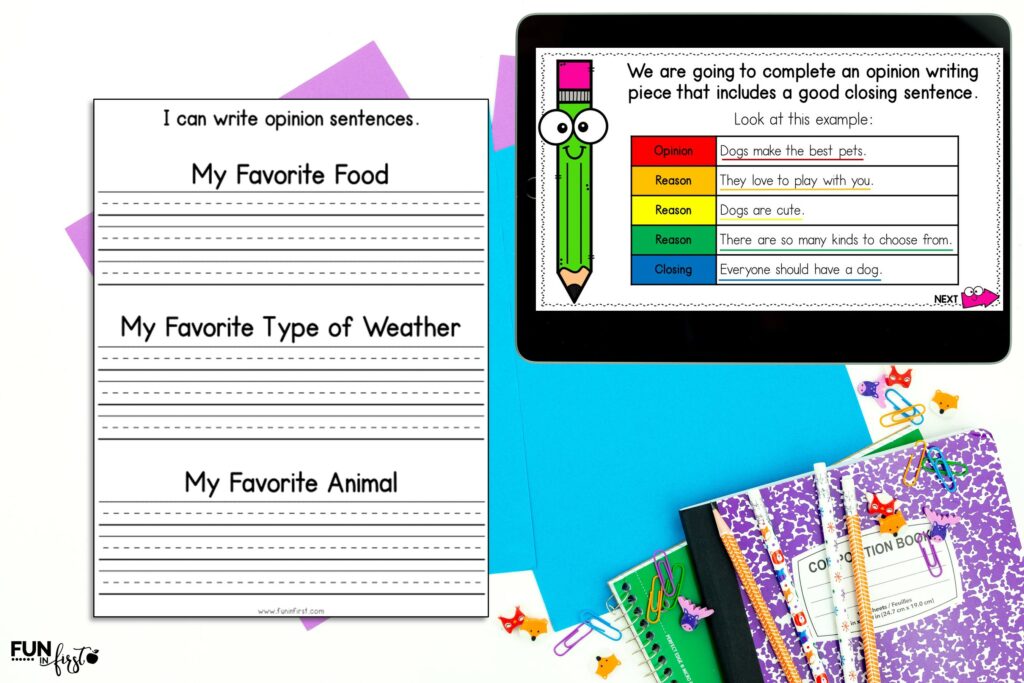
Imagination is the motor for engagement at this age. Carefully selected prompts can unlock creativity in even the most hesitant writers. As noted by educators at Edutopia, using open-ended and relatable questions helps children shed the fear of “doing it wrong” and dive into storytelling. Prompts like “Describe a planet made entirely of your favorite snack,” or “What secret does your backpack keep?” tap into personal experiences, wishes, and humor. These act as jumping-off points where answers are neither right nor wrong, but always intriguing.
- If you could invent a new holiday, what would it celebrate? Who would you invite?
- Write about the best surprise you’ve ever received. How did it make you feel?
- Imagine your pet goes on an adventure while you’re at school. What mischief do they get into?
Adapting prompts to current classroom interests—such as favorite animals, ongoing themes in science class, or upcoming holidays—makes writing meaningful and fun. Engagement and idea generation soar when prompts resonate, turning apprehensive scribblers into eager storytellers.
Blending Art and Writing for Deeper Engagement
Many first graders enjoy drawing as much as they love talking, and blending art into writing exercises is one of the most effective ways to boost enthusiasm for storytelling. Beginning a writing lesson with an illustration gives students a nonverbal path into their ideas; drawing provides time to process and organize thoughts before putting words on paper. For instance, some teachers have children sketch their main character, map out the setting, or storyboard the plot before attempting sentences or paragraphs.
Bringing art projects into the writing process—like making puppets for a script, designing book covers, or building dioramas—encourages hands-on learners to invest in their stories. Students become more emotionally connected to their work, take pride in their accomplishments, and often stretch themselves to write more detailed narratives. When kids can physically hold or see a part of their story, writing transitions from an abstract assignment to a creative adventure. Some classrooms report that visual storytelling helps students with writing difficulties find their unique “author voice.”
Group Projects and Games That Inspire Collaboration
Collaboration is a core aspect of early learning, and group-based writing activities can build bridges between students’ ideas while developing literacy skills. Interactive games—such as “pass-the-story,” “story cubes,” or team comics—turn writing into a lively, social event. Each child gets a turn to steer the plot, practice sequencing, and contribute their flair to a group creation. These dynamics naturally ignite creativity; students can borrow inspiration from each other and learn to see stories from new perspectives.
- Story stick relay: The class passes around a decorated stick, with each child adding a sentence or idea before handing it off.
- Mystery bag storytelling: Kids reach into a bag filled with objects and use the chosen item as a story centerpiece.
- Collaborative comics: Each student completes a comic panel and adds dialogue, building a class-wide story arc through art and language.
These activities teach not just writing but also teamwork, listening skills, and respect for others’ contributions. Even reserved students often open up in collaborative settings, discovering the fun of combining ideas to create something new and memorable.
Using Technology With Purpose in Writing Lessons
Technology can be a double-edged sword in early classrooms, but when thoughtfully selected, digital tools provide powerful opportunities for budding writers. Word processors allow students to easily revise drafts without fear of “messing up.” At the same time, story creation apps enable even non-readers to narrate and record their tales with illustrations and voice. Virtual storybooks and e-journals help children publish their work for a real audience—be it family, friends, or classmates—which often boosts their motivation to write carefully and edit for clarity.
Still, it’s important to keep technology in balance. While digital tools encourage creativity, traditional pencil-and-paper activities remain essential for developing fine motor skills and for moments when screens aren’t practical. When teachers blend both approaches, students get the best of both worlds—a modern, creative writing program with room for tactile exploration, collaboration, and face-to-face sharing.
Measuring Growth Beyond Grammar and Spelling
Progress in writing extends far past grammar drills and spelling tests, especially for young learners. Teachers and parents should recognize creative leaps, inventive plot twists, and the willingness to use new vocabulary or take risks with language. Rubrics that include categories like “original idea,” “use of imagination,” or “willingness to take a risk” encourage students to stretch beyond formulaic writing.
Reflective practices, like student writing journals or “author’s chair” presentations, empower children to share how they’ve grown as storytellers. Peer and teacher feedback circles foster constructive skills for giving and receiving suggestions. These measures reinforce the idea that writing is a growth process and that every young writer’s journey deserves celebration, regardless of their starting point.
Resources for Teachers and Parents
The most effective writing programs bridge the classroom and the home, creating a seamless environment for young learners. Caregivers can nurture a child’s creativity through simple, meaningful activities—like keeping a shared family journal, writing letters to loved ones, or crafting bedtime stories together. A wealth of accessible resources, including printable prompts, online writing communities, and interactive activity guides, makes it easy to support these efforts. Sharing children’s writing with relatives or family friends adds an element of real-world recognition, fostering pride and inspiring continued creativity.
When educators and families work together, they create a safe, joyful, and enriching space for first graders to explore writing. This collaborative approach opens multiple pathways for self-expression, ensuring every child feels heard and supported. With consistent encouragement, young writers not only build essential skills but also begin to see writing as a personal and meaningful part of their lives—laying the foundation for a lifelong love of storytelling.