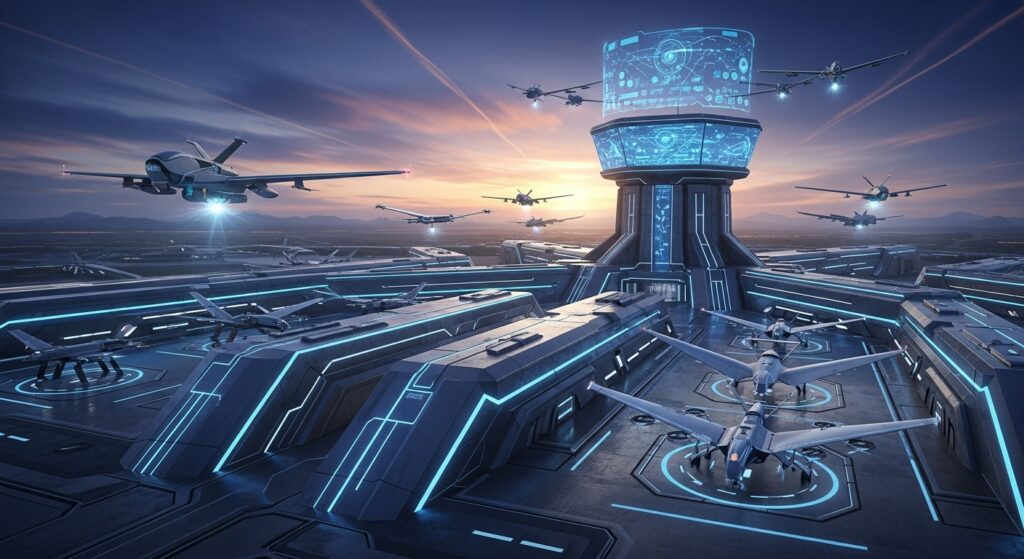
The landscape of modern warfare is evolving at an unprecedented pace. As nations race to assert their dominance in the skies, one term has emerged at the forefront of military innovation: the air weapon complex. This fascinating blend of advanced technologies and strategic prowess shapes how conflicts are approached and resolved. From cutting-edge aircraft to precision-guided munitions, the air weapon complex encapsulates a critical aspect of national security that warrants exploration.
As we delve into this intricate web of defense capabilities, we’ll uncover its rich history, examine current advancements, and ponder what lies ahead for global military strategies. The future may be uncertain, but understanding the air weapon complex could provide valuable insights into how countries will protect their interests in an increasingly volatile world. Buckle up as we embark on this journey through aerospace defense!
History and Background of Air Weapon Complex
The concept of the air weapon complex has evolved significantly since its inception. It traces back to World War I, where aircraft were first used for reconnaissance and combat.
As technology advanced, so did the complexity of aerial warfare systems. By World War II, nations recognized the strategic advantage provided by air superiority. This led to significant investments in developing bombers and fighters.
In the Cold War era, missile technology took center stage. The arms race propelled innovations in guided munitions and stealth capabilities. Nations began constructing integrated networks that combined aircraft with satellite systems.
Today’s air weapon complex is a sophisticated web of drones, missiles, and manned aircraft working together seamlessly. Its history highlights an ongoing quest for dominance in the skies—a pursuit that continues to shape military strategies worldwide.
Modern Technology and Developments in Defense
Modern technology is revolutionizing the landscape of defense, particularly within the air weapon complex. Advanced materials and innovative engineering techniques are leading to lighter, more efficient aircraft. These enhancements not only improve fuel efficiency but also increase maneuverability in combat situations.
Artificial intelligence plays a pivotal role as well. AI systems can analyze vast amounts of data in real-time, allowing for quicker decision-making during operations. This capability enhances situational awareness and supports pilots and operators in tactical scenarios.
Moreover, advancements in precision-guided munitions are transforming military targeting strategies. With improved accuracy, these weapons reduce collateral damage while increasing effectiveness against specific targets.
Cybersecurity continues to be a critical focus area too. As defense technology becomes more interconnected, protecting sensitive information from cyber threats has never been more essential for maintaining national security integrity within the air weapon complex.
The Role of Air Weapon Complex in National Security
The air weapon complex plays a pivotal role in maintaining national security. It enables nations to project power and deterrence across vast distances, ensuring rapid response capabilities.
Advanced aircraft and precision-guided munitions enhance strategic flexibility. They allow for targeted strikes that minimize collateral damage while achieving military objectives effectively.
Furthermore, the air weapon complex supports intelligence gathering and surveillance operations. This capability provides critical insights into potential threats and helps assess adversarial movements.
In an era of evolving warfare, integrating cutting-edge technologies like drones and hypersonic missiles becomes essential. These innovations increase operational efficiency while adapting to emerging challenges.
Nations invest heavily in their air weapon complexes to safeguard sovereignty. A robust aerial defense system serves as both a shield against aggression and a tool for diplomatic leverage on the global stage.
Advancements in Aircraft and Missiles
Advancements in aircraft and missiles have transformed the landscape of modern warfare. The integration of artificial intelligence is now commonplace, enhancing targeting systems and decision-making processes.
Stealth technology has reached new heights, allowing planes to evade detection more effectively than ever before. These innovations ensure that air forces can operate with a tactical advantage.
Missile systems are also evolving rapidly. Hypersonic missiles, capable of traveling at speeds exceeding Mach 5, represent a significant leap forward. Their speed makes interception nearly impossible for existing defense systems.
Drones play an increasingly vital role too. Unmanned aerial vehicles (UAVs) provide real-time surveillance and precision strikes without risking human lives onboard.
Furthermore, advances in materials science have led to lighter yet stronger aircraft designs. This not only improves fuel efficiency but also enhances maneuverability in combat situations. Each development pushes the boundaries of what military aviation can achieve.
Impact on Military Strategy and Tactics
The air weapon complex has fundamentally transformed military strategy and tactics. With precision strikes from advanced aircraft, conflicts can be managed with heightened efficiency. This evolution allows for rapid response to threats.
Commanders now rely heavily on air superiority as a strategic pillar. The ability to dominate the skies can dictate ground operations and change the tide of battle almost instantaneously.
Moreover, drones and unmanned systems are reshaping traditional combat roles. They provide real-time surveillance while minimizing risks to personnel. These technologies enable more informed decision-making in high-stakes scenarios.
As nations adapt, asymmetric warfare becomes a focal point. Smaller forces leverage aerial capabilities against larger opponents, leveling the playing field in unexpected ways.
In this new landscape, strategies evolve continuously as militaries integrate these advancements into their operational frameworks. The dynamic nature of modern conflict requires constant innovation and adaptation for success on today’s battlefield.
Challenges and Controversies Surrounding Air Weapon Complex
The air weapon complex faces numerous challenges that spark heated debates. One major issue is the escalating costs associated with developing advanced technologies. Budget constraints can hinder research and impact readiness.
Ethical concerns also loom large. The use of drones and automated systems raises questions about accountability in warfare. As machines take on more decision-making roles, the line between human judgment and algorithmic precision blurs.
International relations further complicate matters. Nations may perceive advancements in air weaponry as threats, leading to an arms race rather than fostering peace.
Public perception plays a role too. Many citizens are wary of increased military spending when domestic issues remain unaddressed. This tension creates friction between defense priorities and societal needs.
These complexities shape the discourse around the future of the air weapon complex, influencing policy decisions for years to come.
Future Possibilities for Defense with the Use of Air Weapon Complex
The future of defense is bright with the advancements in the air weapon complex. As technology evolves, we can expect innovative designs that enhance agility and precision.
Unmanned aerial vehicles (UAVs) are set to transform operational strategies dramatically. These drones will provide real-time intelligence while minimizing risks for human pilots.
Moreover, artificial intelligence will play a pivotal role in decision-making processes within military operations. With AI integration, systems could analyze vast amounts of data swiftly, leading to smarter tactical choices.
Hypersonic missiles may also redefine combat dynamics by drastically reducing response times during conflict situations. Their speed and maneuverability present new challenges for traditional missile defense systems.
As nations invest more in research and development, we might see collaborations aimed at creating hybrid technologies that merge various capabilities into single platforms—enhancing overall effectiveness on the battlefield. The potential is immense as countries rethink their approaches to modern warfare through advanced air weapon solutions.
Conclusion
The air weapon complex is not just an evolution of military technology; it represents a significant shift in how nations approach defense and security. As advancements continue to transform aircraft and missile capabilities, the strategic implications for national security are profound.
Emerging technologies such as artificial intelligence, drone warfare, and hypersonic weapons are redefining the battlefield. The integration of these tools into the air weapon complex enhances both offensive and defensive strategies. Nations that embrace these innovations will likely have a competitive edge in future conflicts.
However, with progress comes challenges. Ethical concerns regarding automation in warfare, geopolitical tensions fueled by advanced armaments, and budgetary constraints present ongoing debates within military circles. These issues require careful consideration as countries navigate their defense policies amidst rapid technological change.
Looking ahead, the possibilities for the air weapon complex seem vast. Collaborative international efforts might lead to new treaties governing aerial combat tactics or shared technologies aimed at global stability. Understanding this evolving landscape is crucial for policymakers and analysts alike as they strive to ensure safety in an increasingly complex world.
As we explore what lies ahead for the air weapon complex, one thing remains clear: its influence on our global stage will only grow stronger. The path forward may be uncertain but promising developments await those ready to adapt to this dynamic environment.