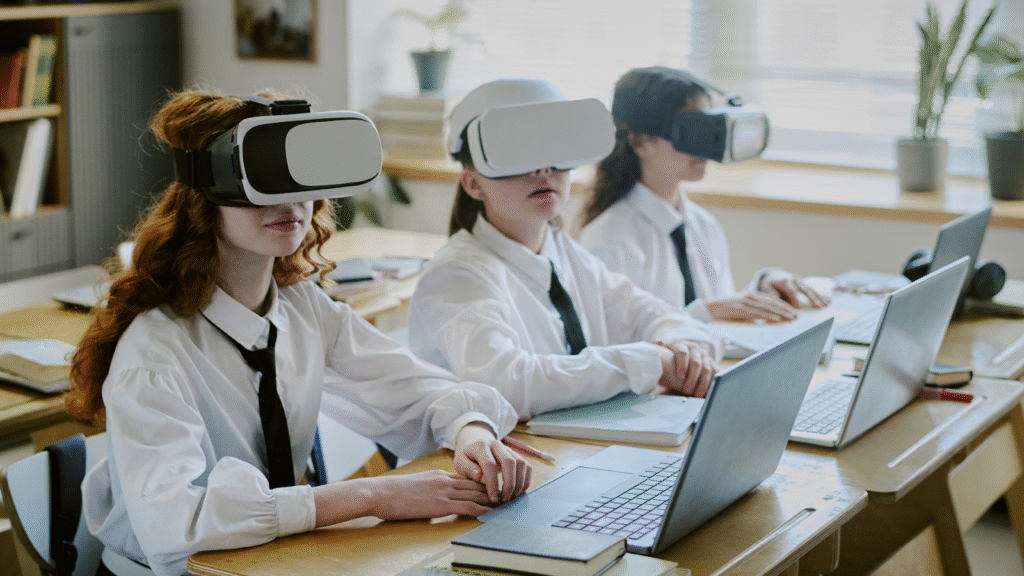
You no longer need a plane ticket or a huge budget to experience Italy’s magic. Thanks to the digital revolution, exploring its culture is now just a click away. Imagine studying Renaissance art in Florence from your living room or learning to make handmade pasta with a Tuscan chef over video.
Virtual travel experiences open the door to authentic Italian moments for anyone, anywhere. This isn’t about replacing real travel-it’s about making Italy’s rich heritage accessible to everyone, whether you’re planning a trip, reconnecting with your roots, or simply exploring out of curiosity.
Step Inside Italy’s Greatest Landmarks Without Leaving Home
Italy’s treasures have gone digital, and the results are frankly impressive. We’re talking about interactive platforms that sometimes beat the real thing for certain purposes.
Ancient Rome Rebuilt Through Technology
Now this gets cool. Digital reconstructions show the Colosseum at full glory-complete with spectators, gladiators, and all the drama of ancient Roman entertainment. AR overlays let you toggle between “then” and “now,” watching how time transformed this engineering marvel.
Archaeological experts narrate these experiences, unpacking construction mysteries that still puzzle modern engineers. You’ll need a solid internet for these high-res experiences. That’s where esim italy becomes genuinely useful-keeping you connected whether you’re streaming detailed virtual walkthroughs or joining live cultural events, so buffering never kills your Italian moment.
These digital tours include interactive timelines. Click through different centuries. Watch the monument evolve from pristine showpiece to weathered icon. It’s history class that doesn’t feel like homework.
The Vatican’s Digital Masterpieces
Picture this: you’re examining the Sistine Chapel ceiling inches from Michelangelo’s brushwork. No tour groups shoving past. No security guards rushing you along. The Vatican’s 360° digital platform lets you study details that even in-person visitors miss while craning their necks.
Research shows that immersive VR environments provide unique learning affordances, including enhanced spatial knowledge, increased engagement, and improved skill transfer to real-world situations.
Art historians love these virtual formats. You control the pace entirely. Spend an hour on one fresco panel if you want. The Vatican offers free access during certain windows, with premium guided versions adding scholarly commentary that contextualizes what you’re seeing.
Float Through Venice Digitally
Venice from a gondola, minus the motion sickness and tourist prices? Yes, please. Virtual tours of Italy’s most romantic city offer drone perspectives and water-level views that capture why this place enchants millions. You’ll access normally-closed private palaces, wandering through hidden courtyards that regular tourists never see.
Carnevale celebrations stream live, letting you watch elaborate costume parades from optimal angles. Physical visitors often miss details while stuck in crowds-digital viewers get curated perspectives that don’t sacrifice spontaneity.
Having explored monuments, let’s talk about what makes virtual Italy genuinely special: real-time human connection.
Experience Italy As It Happens: Live Streaming Culture
Recorded content is fine, but live interaction? That’s where magic happens. These experiences unfold right now, connecting you with actual Italians going about their craft.
Cook Alongside Italian Chefs In Real Time
Professional chefs across Tuscany, Sicily, and Emilia-Romagna teach regional specialties through interactive video. You’ll get your ingredient list beforehand, then cook together-asking questions, adjusting techniques, getting immediate feedback. Italian food writer Csaba dalla Zorza has built a following of 30,000 subscribers on Substack, proving people crave authentic Italian culinary content.
Many programs pair cooking with wine education. Sommeliers explain why certain wines complement specific dishes, teaching you regional varieties. Some classes even offer completion certificates-proof you’ve mastered skills worth bragging about.
World-Class Opera From Your Living Room
La Scala and Teatro dell’Opera stream performances that normally cost hundreds of euros. Subscribers access rehearsals and artist interviews where performers discuss their process. These Italian cultural experiences deliver world-class entertainment without geography or budget barriers.
Streaming quality rivals live attendance-actually exceeds it in some ways. Multiple camera angles give you close-ups impossible from orchestra seats. Archived performances mean you’re never locked into schedules.
Walk Italian Streets With Local Guides
Locals lead smartphone-camera tours through historic neighborhoods, answering your questions in real time. You’ll browse markets, watch artisans work, and experience festivals as they unfold. This connects you with actual Italian life, not just famous buildings.
Guides customize routes based on your interests. Renaissance architecture obsesses you? Street art more your thing? Just speak up. This interactive format creates genuine cultural exchange that canned content simply cannot replicate.
Architecture dazzles the eyes, sure. But Italian food? That conquers hearts through hands-on virtual learning.
Master Italian Cooking From Your Own Kitchen
Food defines Italian identity as powerfully as any artwork. Online travel Italy culinary programs teach you techniques passed through generations, not the Americanized shortcuts you’d find elsewhere.
Regional Cuisine Deep Dives
Sicilian cooking differs dramatically from Venetian cuisine. Centuries of distinct influences created wildly different traditions. Virtual masterclasses focus on province-specific methods, teaching you authentic approaches that respect culinary heritage.
Programs connecting you with nonnas (grandmothers) are pure gold. These sessions share family recipes rarely appearing in restaurants, complete with stories explaining why certain combinations exist. You’ll understand how ingredients and methods reflect local history-and how to adapt them for your kitchen.
Seasonal workshops teach you to cook with what’s fresh. Italian cooking respects nature’s calendar, and these classes instill that philosophy. Some programs also show how contemporary chefs reinvent classics while honoring tradition.
Virtual Vineyard Visits
Walk through vineyards during harvest season without leaving home. Sommelier-led tastings pair with shipped wine kits, letting you sample alongside expert guidance. You’ll learn identifying regional characteristics and understanding how terroir shapes flavor.
These experiences cover everything from Barolo to Prosecco. Winemaking documentaries show fermentation and aging processes close-up. Serious enthusiasts can pursue certification tracks for formal wine education.
Italy’s culinary heritage inspires, but its design legacy continues shaping global aesthetics through accessible platforms.
Next-Level Technology Creates Deeper Immersion
Cutting-edge tools offer unprecedented cultural immersion. We’re not talking passive viewing-this is active exploration.
VR Headset Experiences
Major platforms offer Italy-specific content compatible with Oculus, HTC Vive, and PlayStation VR. Quality varies wildly, so read reviews before purchasing. The best simulations provide six degrees of freedom-natural walking through reconstructed spaces.
High-resolution environments demand serious processing power, though budget options exist. Some experiences work with smartphone-based headsets, making virtual exploration accessible without expensive equipment.
AR Apps Transform Your Space
Mobile AR applications overlay historical information onto your environment. Point your phone around your home, and AR apps project Italian art galleries or architectural elements. These work with just your smartphone-no special equipment required.
Educational AR gamifies learning, making cultural education feel like play. Kids especially respond well to this approach. Future developments promise increasingly sophisticated applications as technology evolves.
These virtual tools serve another crucial purpose: planning your eventual physical visit.
Use Virtual Resources To Plan Smarter Travel
Virtual travel experiences excel at trip preparation. Preview destinations before booking anything. You’ll make informed decisions about where to spend precious vacation days.
Virtual tours help you assess which museums deserve half-day visits versus quick stops. You’ll identify neighborhoods matching your vibe and map efficient routes. This preview reduces travel stress and maximizes satisfaction. Accommodation virtual previews show actual rooms and neighborhood contexts better than static photos.
Budget estimation improves when you’ve virtually explored transportation and understood distances. Many travelers say virtual preparation doubled their physical trip enjoyment. The hybrid approach combines digital convenience with irreplaceable in-person magic.
Start Your Virtual Italian Adventure Today
Digital innovation has completely transformed how we experience Italian culture. Whether you’re planning a future trip, reconnecting with your roots, or simply exploring from home, virtual platforms offer deeply immersive and meaningful encounters. As technology continues to evolve, these experiences grow richer and more authentic, capturing the essence of Italy’s timeless allure. Start exploring today-Italy’s art, history, and warmth are only a click away, waiting to inspire you wherever you are.
Common Questions About Virtual Italy Exploration
What equipment do I need for virtual Italy tours?
Most experiences need just a computer or smartphone with decent internet. Premium VR content requires dedicated headsets, but excellent options work with basic devices. Start simple and upgrade later if you get hooked.
How much do Italian cultural experiences cost online?
Free museum virtual tours to $50-150 premium cooking classes. Many institutions offer free basic access with optional paid upgrades for guided experiences. Subscription services bundle multiple experiences at discounted rates.
Can virtual tours replace actual visits to Italy?
They’re complementary, not replacements. Virtual experiences offer convenience and accessibility while physical travel provides irreplaceable sensory richness and spontaneous moments. Most people use virtual tours to enhance both planning and memory preservation.