
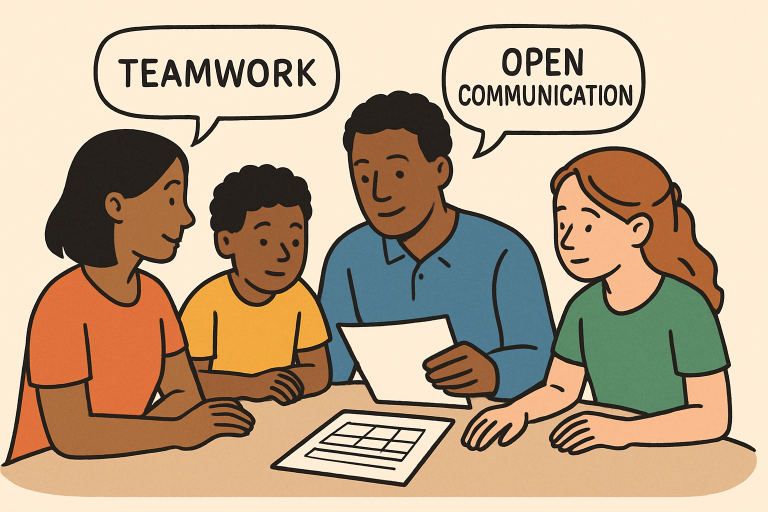
When families face legal challenges, the path forward can feel uncertain and stressful. The way families choose to approach these situations can make a significant difference not only in the legal outcome but also in the emotional well-being of everyone involved. Whether the issue concerns custody, divorce, or another family matter, it is possible to manage stress and conflict by working as a team. Useful resources like QNav can provide additional guidance and support during these complex times.
Legal matters in the family can cause confusion and disrupt daily life, but there are actionable steps that help families maintain stability and clarity. Using proven strategies, staying organized, and prioritizing relationships can empower families to face these moments together with greater confidence.
Communicate Calmly
Calm communication is more important than ever during family legal challenges. Rather than reacting impulsively, choose your words thoughtfully and speak gently, which encourages understanding and reduces the risk of conflict. Avoid raising your voice or using negative language, as this only adds stress to an already difficult situation. Taking turns talking and truly listening to one another can nurture a cooperative atmosphere and help everyone feel heard. These habits not only streamline legal discussions but also support family members’ emotional stability.
Active listening is a skill that can make discussions more productive. By acknowledging others’ viewpoints and summarizing their statements, misunderstandings are minimized. Families can benefit from scheduling regular check-ins to ensure that everyone is up to date on legal proceedings and personal needs.
Keep Detailed Records
Good recordkeeping is invaluable when navigating legal issues. Maintained correctly, documentation serves as an objective timeline of key events, including visitation dates, conversations, and significant exchanges. Choose a system that works best for your family, such as a dedicated notebook, a secure digital app, or a shared calendar. Ensure that all notes are clearly dated and updated frequently. Organized records can clarify disagreements, support your account in court, and reduce confusion throughout the legal process. Judges and legal professionals may rely heavily on your documentation when making decisions, making it one of the most practical actions you can take.
Follow the Schedule
Sticking to the agreed-upon routine, whether that means custody exchanges, appointments, or virtual check-ins with children, is critical for maintaining normalcy. Predictability in the schedule provides reassurance to children, helping them feel secure despite other changes around them. Post the schedule somewhere visible or set reminders on your phone so that you and your children always know what to expect. If a conflict arises, address it calmly and seek to resolve it quickly so the routine can be resumed as soon as possible.
Stay Flexible
No matter how well you plan, unexpected life events can disrupt schedules and arrangements. Flexibility is an important quality during legal challenges, allowing families to make necessary adjustments with less friction. When a change becomes unavoidable, approach conversations about this adjustment with empathy and a willingness to compromise. Discuss alternative solutions and agree on plans that work for everyone involved. This adaptability not only fosters goodwill but also demonstrates respect and patience, helping children learn to handle change constructively.
Seek Professional Help
There are circumstances where the guidance of a lawyer, counselor, or mediator is essential. Legal professionals clarify complicated processes, answer questions, and prevent costly mistakes. Early consultation can streamline timelines and protect everyone’s rights. Mental health specialists can also provide crucial support for children and adults coping with emotional distress. Do not hesitate to reach out to experts who can guide you through paperwork, explain your rights, and help the family make informed decisions together. Having this layer of support reduces the likelihood that you will become overwhelmed or overlook important details in the process.
Encourage Relationships
Maintaining positive family relationships during legal proceedings benefits children and adults alike. Encourage children to maintain regular contact with both parents and other important relatives. Avoid speaking negatively about the other parent, as this can harm children emotionally and further strain relationships. Supporting a child’s relationship with both sides of the family helps build a sturdy support network that encourages resilience, even during hard times. Allowing opportunities for open communication and quality time with loved ones sends a strong message of unity and unconditional support.
Focus on Emotions
Family legal issues weigh heavily on emotions, especially for children. Keep lines of emotional communication open by reassuring children that it is okay to feel sad, angry, or confused. Let them express their feelings without fear of punishment or dismissal. Gentle reassurances, hugs, and extra patience can make a significant difference in how children cope. Teaching children to process their emotions develops valuable coping skills that can serve them throughout their lives. Emotional stability for all family members also makes the legal process smoother and less stressful overall.
Take Care of Yourself
Caregivers and parents managing a family legal issue often place their own needs last. However, self-care is necessary to remain emotionally available and supportive to others. Take regular breaks, aim for nutritious meals and consistent sleep, and seek support from friends or family. Engaging in activities that bring you joy, such as hobbies, short outings, or exercise, can help relieve ongoing stress. Remember, tending to your own emotional and physical well-being enables you to give more to your family when it is most needed.
Conclusion
By prioritizing communication, organization, professionalism, and self-care, families can face legal challenges more confidently and compassionately. Implementing these steps creates a structured, loving environment where everyone’s needs are considered, helping both children and adults feel supported every step of the way.