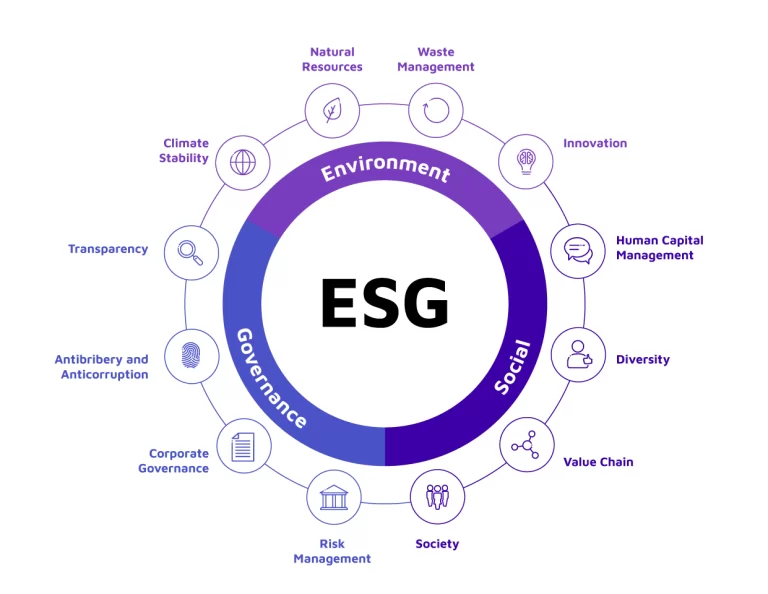
In today’s business environment, sustainability is more than a buzzword—it’s a business imperative. Environmental, Social, and Governance (ESG) metrics have become critical for companies aiming to meet investor expectations, comply with regulatory standards, and demonstrate commitment to responsible practices. However, tracking these metrics manually can be overwhelming. That’s where ESG reporting tools come in. These platforms help companies streamline data collection, monitor progress, and ensure transparent reporting. Let’s explore the best ESG reporting software that can help organizations efficiently track and manage their sustainability efforts.
Why ESG Reporting Tools Matter
Before diving into the top tools, it’s essential to understand why ESG reporting software is important. These platforms allow businesses to:
- Standardize ESG data collection across departments and geographies
- Generate real-time reports aligned with global standards like GRI, SASB, and TCFD
- Track progress toward sustainability goals and net-zero targets
- Improve transparency with stakeholders and regulators
- Enhance decision-making by providing actionable insights
The right ESG reporting tool can reduce the complexity of sustainability reporting while boosting accountability and performance.
Top ESG Reporting Tools in 2025
1. Diligent ESG
Diligent ESG offers a robust platform to manage, track, and report ESG data. It’s widely adopted by large enterprises and boards for its seamless integration with governance and risk modules. The tool aligns with global frameworks and automates the reporting process.
Key Features:
- Customizable ESG dashboards
- Real-time data visualization
- Automated audit trails
- GRI and SASB alignment
Best for: Corporate boards and large enterprises looking for comprehensive governance and ESG oversight.
2. Workiva
Workiva is one of the best ESG reporting software platforms due to its flexibility and advanced reporting capabilities. It enables users to connect ESG data directly to financial and operational systems, ensuring consistency and accuracy in reporting.
Key Features:
- Cloud-based ESG data management
- Customizable templates
- Collaborative reporting tools
- Risk assessment modules
Best for: Mid to large-sized companies seeking a connected reporting platform that integrates ESG, financial, and audit data.
3. SpheraCloud
SpheraCloud is known for its industry-specific ESG reporting solutions. It helps businesses in energy, manufacturing, and chemicals streamline their sustainability metrics and regulatory compliance.
Key Features:
- Emissions tracking
- EHS compliance modules
- ESG performance analytics
- Real-time risk monitoring
Best for: Industrial and manufacturing sectors with complex compliance needs.
4. Novisto
Novisto offers end-to-end ESG data management with a focus on automation and accuracy. The platform supports various reporting standards and provides audit-ready reports for stakeholders and regulators.
Key Features:
- Data cleansing and validation tools
- Integrated reporting with AI suggestions
- ESG narrative builder
- Multiple framework compatibility (CDP, TCFD, GRI, etc.)
Best for: Companies aiming to simplify ESG disclosures with AI-powered reporting and audit support.
5. Enablon
Enablon is a well-established player in the sustainability and risk management space. It provides integrated ESG, EHS, and sustainability reporting functionalities under one roof.
Key Features:
- ESG data capture from IoT and sensors
- Automated benchmarking
- Compliance reporting tools
- Scenario modeling for sustainability initiatives
Best for: Global enterprises that require high-volume data processing and predictive sustainability planning.
6. FigBytes
FigBytes specializes in purpose-driven ESG reporting. Its user-friendly platform helps organizations link sustainability goals to real-time data while communicating their impact through engaging visuals and reports.
Key Features:
- Purpose and impact mapping
- Stakeholder engagement tools
- Integrated ESG strategy and reporting
- Dashboard for internal and external reporting
Best for: Organizations that prioritize storytelling and impact communication in their ESG strategy.
Choosing the Best ESG Reporting Software for Your Business
When selecting the best ESG reporting software, consider the following factors:
- Scalability: Can the tool grow with your business?
- Integration: Does it connect with your existing systems like ERP, CRM, and HR platforms?
- Framework Compatibility: Does it support the standards relevant to your industry (e.g., GRI, SASB, TCFD)?
- User Interface: Is it intuitive for both ESG experts and non-experts?
- Customization: Can you tailor dashboards, reports, and KPIs to your business model?
- Support & Training: Does the vendor provide onboarding, technical support, and ESG consulting services?
The Future of ESG Reporting
As regulations tighten and stakeholder expectations rise, ESG reporting software will play an even greater role. The future of these platforms lies in:
- AI and machine learning to detect trends and automate data analysis
- Blockchain technology for data integrity and traceability
- Real-time reporting through IoT integration and big data analytics
- Greater standardization across reporting frameworks and jurisdictions
By investing in the best ESG reporting software, companies can not only meet compliance demands but also drive long-term value creation and positive environmental and social impact.
Final Thoughts
ESG reporting is no longer a ‘nice to have’—it’s a strategic necessity. Whether you’re a small business just starting your sustainability journey or a multinational corporation refining your reporting practices, the right ESG tool can make all the difference. From data collection to stakeholder communication, these platforms empower you to measure what matters and make informed, responsible decisions.
Start your journey today by exploring the best ESG reporting software that fits your unique goals and operational needs. Sustainable business is smart business.