Chronic Pain Today: A Widespread Issue
Chronic pain is one of the most significant health concerns facing people worldwide, with approximately 50 million adults in the United States experiencing ongoing discomfort, according to the CDC. The persistence of pain disrupts daily living and carries emotional, social, and economic consequences for patients and their families. As awareness grows, new strategies emerge to support those navigating persistent pain.
Access to a reputable pain management clinic St Augustine FL can be transformative for individuals seeking comprehensive care. Such clinics are at the forefront of providing innovative diagnostic techniques, multidisciplinary treatments, and compassionate management plans, giving patients more hope for improved quality of life.
Why Individualized Approaches Matter
Chronic pain rarely presents the same way in two individuals. Differences in genetics, mental health, underlying conditions, and lifestyle all impact how pain is perceived and managed. This recognition has shifted the focus toward personalized care, where specialists collaborate to build plans that fit each person’s needs and goals, blending medical, psychological, and rehabilitative approaches.
The success of individualized pain management often hinges on open dialogue and shared goal-setting. Teams may include physicians, physical therapists, behavioral health experts, and other practitioners, pooling their expertise to create care pathways that adapt as patients’ circumstances evolve.
Latest Treatment Options in Pain Management
- Minimally Invasive Interventions: Newer procedures, such as nerve blocks, radiofrequency ablations, and targeted injections, offer significant relief with reduced recovery times and lower risks than traditional surgery.
- Optimized Medication Management: Adjusting medication dosages or combining non-opioid drugs provides tailored relief while minimizing side effects and additional risks. Physicians are more frequently blending medications with other therapies for a holistic result.
- Behavioral Health Integration: Cognitive-behavioral therapy (CBT), mindfulness-based stress reduction (MBSR), and related techniques have become fundamental in supporting patients mentally and emotionally, helping address anxiety and depression linked to long-term pain.
Non-Medication Alternatives Gaining Ground
Not all patients benefit from—or wish to rely on—medications for relief. Non-drug options can play a crucial role and often complement medical treatments. According to the NIH, physical therapy, acupuncture, exercise programs, and nutritional interventions show considerable promise in reducing pain and enhancing mobility.
- Manual therapies, including massage and joint mobilization
- Tailored exercise routines to restore function and strength
- Acupuncture for pain and inflammation control
- Nutrition-focused interventions
- Mind-body practices like yoga, Tai Chi, and guided relaxation
How Technology Is Shaping Pain Relief
Technology is revolutionizing the landscape of chronic pain management in multiple ways. The expansion of telehealth connects patients and providers, reducing barriers to care—especially for those with mobility issues. Emerging tools like wearable pain monitors and mobile apps enable real-time symptom tracking and adjustments in treatment plans, increasing engagement and personal accountability. For example, virtual physical therapy delivers guided exercises and feedback without leaving home, a breakthrough highlighted by institutions such as Mayo Clinic.
Lifestyle Factors and Whole-Person Wellness
Successful pain management extends beyond medical treatments. Day-to-day habits significantly influence pain perception and coping abilities. Quality sleep, regular physical activity, balanced nutrition, and social connections are all linked to reduced pain severity. Support networks—whether through family, friends, or online communities—can make a meaningful difference in emotional well-being and resilience against pain.
- Establish consistent sleep routines to promote healing and mood stabilization.
- Prioritize stress relief with techniques such as deep breathing, meditation, or a creative hobby.
- Eat a nourishing diet that supports joint, nerve, and muscle health
- Stay socially connected for encouragement and support
Patient Advocacy and Shared Decision-Making
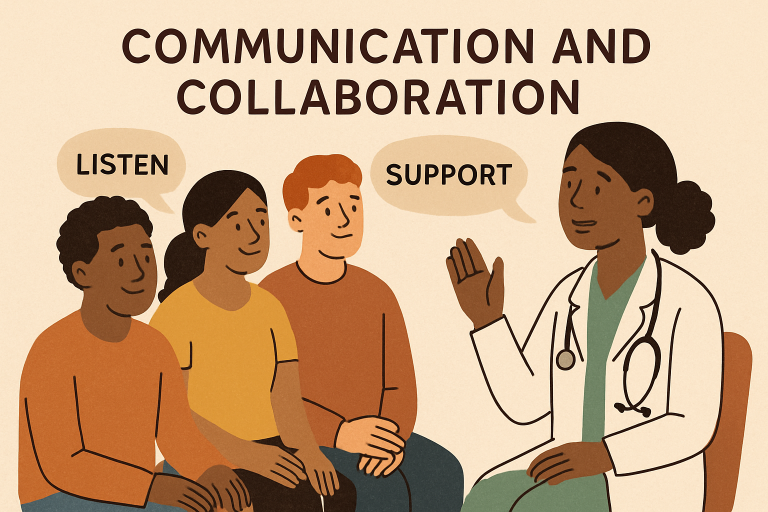
Today’s best outcomes stem from collaboration between patients and healthcare teams. Shared decision-making empowers individuals to express goals, explore evidence-based options, and actively participate in choosing a course of care. Healthcare providers are increasingly trained to listen, respect patient values, and support advocacy—ensuring that care is clinically sound and personally meaningful.
Looking Forward: Future Directions
Research is advancing rapidly, with breakthroughs in genetics, regenerative treatments, wearable technologies, and new medication options on the horizon. The future promises more targeted, less invasive, and personalized interventions. For ongoing updates, patients can turn to trusted sources like WebMD’s pain management guide, which covers advancements and news in the field.
Chronic pain care is entering a new era, shaped by innovative therapies, personalized treatment plans, and holistic approaches that go beyond symptom control. Patients who stay informed and work closely with their healthcare providers can benefit from safer, more effective options. Awareness, adaptability, and proactive involvement remain key to improving quality of life and long-term outcomes.