
Introduction
The utility sector faces growing pressure to deliver reliable service while minimizing operational costs. One of the most effective means to address this challenge is by leveraging digital solutions designed to improve asset utilization and extend asset life cycles. Investing in utility asset management software can help organizations unlock new efficiencies, bolster decision-making, and significantly enhance return on investment (ROI).
Modern utility providers face complex infrastructure and growing regulatory demands. As a result, digital asset management solutions have quickly become foundational to sustainable utility management. Organizations turning to advanced platforms can better align operational activities with business goals, reduce unplanned downtime, and ensure the long-term reliability of vital assets.
Understanding Utility Asset Management Software
Utility asset management software provides a centralized system for monitoring, maintaining, and optimizing all critical physical assets in the field. These platforms integrate seamlessly with existing enterprise data, offering real-time visibility into asset health, inventory, maintenance needs, and overall system performance. As highlighted in this Utilities Business Review article, consolidating disparate data streams gives managers a comprehensive view of utility assets, enabling more strategic lifecycle planning and a faster response to changing operational needs.
With robust analytics and automated workflows, asset management platforms empower utilities to transition from reactive to proactive maintenance strategies. This shift not only minimizes the risk of equipment failure but also provides a valuable data trail for compliance, budgeting, and resource allocation.
Key Features Driving ROI
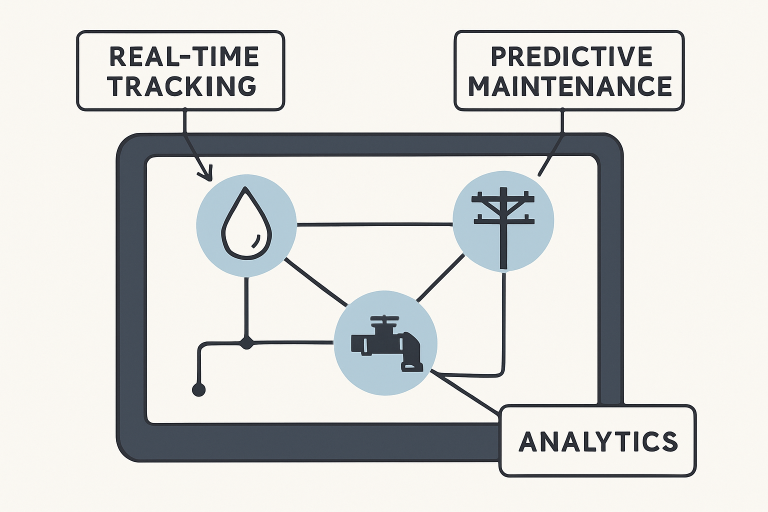
- Real-Time Asset Tracking: Technologies such as RFID and GPS allow utilities to locate, track, and manage assets with pinpoint accuracy. Improved inventory control reduces equipment loss and downtime, a crucial factor in maintaining consistent service delivery.
- Predictive Maintenance: Through IoT sensors and advanced data analytics, utilities can recognize potential equipment issues before they escalate. Scheduled, condition-based maintenance extends the lifespan of expensive assets and controls unexpected costs.
- Performance Analytics: Comprehensive dashboards and custom reports equip utility managers with actionable insights. The ability to trace maintenance costs, asset utilization rates, and downtime patterns fosters more informed capital planning and business optimization.
Implementing Asset Management Software: A Step-by-Step Guide
- Assess Current Asset Management Practices: Begin by conducting a detailed audit of existing asset management processes. This step helps pinpoint workflow inefficiencies, data gaps, and outdated technologies that may impede a transition to digital management.
- Select Appropriate Software: Evaluate solutions based on scalability, integration capabilities, user interface, and the depth of analytics offered. Opt for software that addresses your organizational needs and can evolve alongside your business.
- Integrate with Existing Systems: Ensure interoperability with legacy ERP or GIS platforms. Centralized, consistent data is key to unlocking the full value of an asset management suite.
- Train Staff: Conduct comprehensive training tailored to various user groups. High adoption rates and successful change management depend on staff understanding both the system’s capabilities and its daily impact on workflow.
- Monitor and Evaluate: Continually track KPIs relevant to asset uptime, maintenance frequency, and ROI. Solicit stakeholder feedback and make iterative improvements to the system’s configuration and use.
Future Trends in Utility Asset Management
The ongoing digitization of the utility sector is likely to result in even greater reliance on cloud-based platforms and IoT devices. Real-time asset monitoring is now merging with artificial intelligence, enabling utilities to process vast amounts of operational data and surface insights that were previously out of reach. As more utilities adopt scalable, mobile-friendly management solutions, the era of data-driven asset optimization will continue to evolve, positioning industry leaders for ongoing success.
The next generation of utility asset management will also focus on cybersecurity, ensuring that as critical infrastructure becomes smarter, it also remains secure against digital threats. Embracing these trends will help utilities build resilience and enhance ROI in a rapidly changing landscape.
Conclusion
Ultimately, integrating utility asset management software is more than a technology upgrade—it’s a strategic transformation of operational culture and capability. By leveraging features such as real-time tracking, predictive maintenance, and advanced analytics, utilities can optimize asset lifecycles, control costs, and enhance service reliability. Staying current with emerging digital trends and investing in staff training will further amplify these returns, ensuring long-term value and resilience in an evolving energy landscape.